Category: United Kingdom

soup maker morphy richards instructions

Morphy Richards soup makers offer convenient, all-in-one solutions for creating delicious, homemade soups with minimal effort. These appliances simplify the cooking process,
from sautéing vegetables to blending a smooth, flavorful final product. Explore instructions and unlock culinary possibilities!

What is a Morphy Richards Soup Maker?

A Morphy Richards Soup Maker is a versatile kitchen appliance designed to effortlessly create smooth, flavorful soups directly within a single jug. Unlike traditional soup-making methods requiring multiple pots and blending steps, these makers combine sautéing, cooking, and blending functionalities into one convenient device.

Models like the FP501014 and 501016 offer features beyond basic soup creation, including smoothie settings and sauté functions. They simplify the process by allowing users to simply add ingredients, select a program, and let the machine do the work. These appliances are available through retailers like Argos (product 439/1911), offering stainless steel options for durability and style.

Benefits of Using a Soup Maker

Morphy Richards Soup Makers offer numerous advantages for home cooks. They significantly reduce cooking time and effort, eliminating the need for constant stirring and transferring between pots. The all-in-one design minimizes cleanup, with fewer dishes to wash after preparing a meal;

These makers promote healthier eating by enabling easy creation of nutritious, homemade soups. Features like sautéing allow for building flavor from fresh ingredients. Furthermore, models with smoothie functions provide added versatility. Registration of your product is important for warranty purposes, as each qualifying item needs individual registration.

Unboxing and Initial Setup

Carefully unpack your Morphy Richards Soup Maker, ensuring all components are present. Thorough cleaning before the first use is crucial for hygiene and optimal performance;

Checking the Contents

Upon unboxing your new Morphy Richards Soup Maker, it’s essential to verify all included components are present. Typically, you should find the soup maker jug itself, a lid assembly – often featuring a juice setting option – and potentially a spatula for stirring ingredients.

Carefully inspect the packaging list (if provided) to confirm you have received everything. Check for any visible damage to the jug, lid, or base unit. Ensure the power cord is intact and free from defects. Retain the original packaging for potential future returns or warranty claims. A quick inventory now prevents issues later!

Cleaning Before First Use

Prior to your inaugural soup-making adventure, thoroughly cleaning your Morphy Richards Soup Maker is crucial. This removes any manufacturing residues and ensures a hygienic cooking environment. Disassemble the removable parts – the lid and potentially any blending blades – and wash them with warm, soapy water.

Rinse thoroughly and dry completely. Wipe down the base unit with a damp cloth; avoid immersing it in water. The instruction manual (FP501050 MUK Rev1) emphasizes cleaning before initial use or after prolonged storage. This simple step guarantees optimal performance and flavor!

Understanding the Parts

Your Morphy Richards Soup Maker comprises several key components. The main unit houses the heating element and motor. A removable jug serves as both the cooking pot and blending container. The lid ensures secure operation and often features a juice setting option. Detachable blades facilitate efficient blending.

Familiarize yourself with the control panel, noting the program selections (smooth, chunky, etc.). Understanding each part’s function, as detailed in the FP501014 manual, is vital for safe and effective use. Proper assembly and disassembly are also essential for cleaning and maintenance.

Operating Instructions ― Basic Soup Making

Begin by thoroughly stirring ingredients within the Soup Maker jug. Secure the lid, then select the appropriate program for your desired soup consistency – smooth or chunky!

Adding Ingredients

Carefully place your chosen ingredients directly into the Soup Maker jug, remembering to consider the maximum fill line to avoid overfilling. It’s generally recommended to start with harder vegetables, like carrots and potatoes, at the bottom, followed by softer items like tomatoes and onions.

Liquids, such as stock or water, should be added last. Thoroughly stir the ingredients to ensure even distribution before securing the lid. This initial stir is crucial for optimal blending and cooking results. Remember to always check the specific recipe guidelines for recommended ingredient order and quantities.

Selecting the Correct Program

Morphy Richards Soup Makers feature pre-programmed settings designed for various soup types and consistencies. After adding ingredients and securing the lid, use the control panel to select the appropriate program. Common options include ‘Smooth Soup’, ‘Chunky Soup’, and sometimes specific settings for gazpacho or other chilled soups.

Refer to your model’s instruction manual for a detailed explanation of each program’s cycle length and blending intensity. Ensure the selected program aligns with your desired soup texture and the ingredients used. The appliance will then automatically cycle through sautéing, boiling, and blending phases.

The Juice Setting Explained

The Morphy Richards Soup Maker’s ‘Juice’ setting isn’t for traditional juice extraction; instead, it’s designed for creating chilled soups like gazpacho. After adding ingredients, secure the lid and select the ‘Juice’ setting. The appliance will blend the mixture without applying heat, resulting in a refreshing, cold soup.

This setting is ideal for recipes containing raw vegetables and fruits. Remember to thoroughly stir ingredients before selecting this program. The manual (FP501014) specifically mentions using the Juice setting and simply waiting for completion after ingredient preparation.

Advanced Features and Programs

Morphy Richards soup makers boast versatile functions beyond basic soup creation, including smoothie options and a sauté feature for enhanced flavor development and recipe flexibility.

Smoothie Functionality

Morphy Richards soup makers, particularly models like the 501016, extend beyond soup-making with a dedicated smoothie function. This allows for quick and easy blending of fruits, vegetables, and liquids directly within the jug. Simply add your desired ingredients, select the ‘Juice’ setting – as indicated in the FP501014 instructions – and allow the appliance to blend until smooth.

The smoothie setting provides a convenient alternative to a separate blender, streamlining your kitchen appliances. Remember to thoroughly clean the soup maker after each use, especially when transitioning between soup and smoothie preparations, to prevent flavor contamination.

Sauté Function – How to Use

Many Morphy Richards Sauté and Soup Makers, like the Argos Product 439/1911, feature a built-in sauté function. This allows you to brown onions, garlic, and other vegetables directly in the jug before adding liquids – eliminating the need for a separate pan. Begin by plugging in the appliance and selecting the sauté program.

Add a small amount of oil, then your chosen vegetables. Stir frequently to prevent burning. Once sautéed to your liking, add your broth and other ingredients, then select the appropriate soup-making program. This integrated function simplifies the cooking process and enhances flavor development.

Customizing Soup Consistency

Morphy Richards soup makers offer control over your soup’s final texture. For a chunkier soup, use the ‘Juice’ setting briefly at the end of the cooking cycle, pulsing to achieve your desired consistency. Avoid prolonged use of the juice setting if you prefer a smoother result.

Alternatively, some models allow you to manually adjust blending time. If your soup is too thick, add more liquid and blend again. Conversely, for a thicker soup, blend for a longer duration or remove a portion of the liquid before blending. Experiment to find your perfect texture!

Safety Precautions

Always ensure electrical safety, avoid overfilling the soup maker, and be cautious of hot surfaces during and after operation to prevent accidents.

Electrical Safety

Before operating your Morphy Richards Soup Maker, carefully inspect the power cord for any signs of damage. Do not use the appliance if the cord is frayed or damaged in any way. Ensure the voltage indicated on the appliance matches your household electricity supply.

Always unplug the soup maker from the mains when not in use, before cleaning, and if any malfunction occurs. Never immerse the base unit, cord, or plug in water or any other liquid. Avoid using extension cords if possible; if necessary, use a properly rated extension cord.

Do not operate the appliance with wet hands, and keep it away from water sources. Regular inspection of the power cord is crucial for safe operation.

Avoiding Overfilling

To ensure safe and efficient operation of your Morphy Richards Soup Maker, it’s crucial to avoid overfilling the jug. Always adhere to the maximum fill line indicated inside the jug – exceeding this level can cause spillage during operation, particularly during the blending cycle.

Remember that ingredients expand as they cook, so leave sufficient headroom. Overfilling can also lead to pressure build-up and potentially damage the appliance. When making juice, strictly follow the juice setting’s maximum capacity guidelines.

Carefully consider the volume of ingredients before adding them to prevent overflow and maintain safe usage.

Hot Surface Warnings

Exercise extreme caution when operating your Morphy Richards Soup Maker, as several surfaces become very hot during and immediately after use. The exterior of the jug, particularly around the heating element, will reach high temperatures.

Avoid touching these areas directly; always use oven mitts or pot holders when handling the jug. The lid may also become warm due to steam release.

Allow the soup maker to cool completely before disassembling for cleaning. Be mindful of hot steam escaping during blending, and keep hands and face at a safe distance to prevent burns.

Cleaning and Maintenance

Regular cleaning ensures optimal performance and longevity of your Morphy Richards Soup Maker. Disassemble components and wash thoroughly after each use, following provided guidelines.

Disassembling for Cleaning

Before cleaning your Morphy Richards Soup Maker, always ensure it is unplugged and completely cool. Carefully remove the lid, ensuring no residual heat remains. The jug can then be lifted from the base. Most models allow for easy separation of the blade assembly – consult your specific model’s instructions for the correct method, as designs vary.

Pay close attention to the sealing ring within the lid; this often traps food particles and requires thorough cleaning. The base unit should be wiped down with a damp cloth only – never immerse it in water. Proper disassembly facilitates a comprehensive clean, preventing buildup and ensuring hygienic operation.

Dishwasher Safe Parts

Conveniently, many parts of your Morphy Richards Soup Maker are dishwasher safe, simplifying the cleaning process. Typically, the jug, lid, and blade assembly (when detached) can be placed on the top rack of your dishwasher. However, always refer to your specific model’s instruction manual to confirm which components are suitable for dishwasher cleaning.

While dishwasher use is permitted for these parts, hand washing can help maintain their appearance and prolong their lifespan. Avoid using abrasive cleaners, as these can damage the surfaces. Ensure all parts are thoroughly dried before reassembling the soup maker.

Removing Stubborn Food Residue

Occasionally, stubborn food residue may cling to the jug or blade assembly. To tackle this, fill the jug with warm, soapy water and let it soak for 15-20 minutes. This will help loosen the stuck-on particles. For particularly difficult residue, gently use a soft sponge or cloth – avoid abrasive scouring pads, which can scratch the surfaces.

Ensure the soup maker is unplugged before cleaning. If residue persists, a paste of baking soda and water can be applied and left for a short period before rinsing thoroughly. Always rinse all parts completely to remove any traces of soap or baking soda.

Troubleshooting Common Issues

Encountering problems? Common issues include the soup maker failing to power on, lid securing difficulties, or a burning smell during operation – solutions are available!

Soup Maker Not Turning On

If your Morphy Richards soup maker isn’t powering on, first ensure it’s securely plugged into a functioning electrical outlet. Verify the outlet is delivering power by testing it with another appliance. Next, double-check that the lid is correctly positioned and locked into place; the appliance won’t operate if the lid isn’t properly secured.

Also, confirm that the soup maker has been switched on at the mains. Some models have a separate power switch. If the icons are flashing, it may indicate an issue with the program selection or a safety feature activation. Refer to your model’s specific instructions for further guidance.

Lid Not Securing Properly

Difficulty securing the lid on your Morphy Richards soup maker often stems from improper alignment. Ensure there are no food particles obstructing the sealing surfaces – a thorough cleaning can resolve this. Check for any visible damage to the lid or the jug’s rim; cracks or deformities can prevent a secure fit.

Also, confirm you’re applying even pressure when twisting the lid into place. Some models require a firm, deliberate motion; If the issue persists, avoid forcing it, as this could cause damage. Refer to your model’s manual for specific locking mechanism instructions.

Burning Smell During Operation

A burning smell emanating from your Morphy Richards soup maker usually indicates food residue has accumulated on the heating element. Immediately unplug the appliance and allow it to cool completely. Thoroughly disassemble and clean all removable parts, paying close attention to the base of the jug where the element resides.

Stubborn residue may require soaking or gentle scrubbing. Ensure no food particles remain before reassembling. If the smell persists after cleaning, avoid further use and contact Morphy Richards customer support, as it could signal an electrical issue.

Model Specific Instructions

Detailed guidance for FP501014, 501016, and Argos 439/1911 models is crucial for optimal performance. Refer to dedicated manuals for specific features and operation.

FP501014 Model Guide

The FP501014 requires thorough ingredient stirring before operation. Utilize the Juice Setting initially with the lid securely fastened, allowing the appliance to process. Remember to register each qualifying product individually with Morphy Richards for warranty purposes. Always prioritize cleaning the soup maker before its initial use, or after prolonged periods of inactivity, ensuring optimal hygiene and performance. This model benefits from careful attention to the flashing icons, indicating operational status. Proper use extends the lifespan and maintains the quality of your homemade soups.

501016 Soup & Smoothie Maker Instructions

The 501016 model, available through Argos as product 557/4115, offers versatility beyond soup-making, including smoothie functionality. Access the complete instruction manual in PDF format for detailed guidance and product support. This appliance simplifies meal preparation, blending and cooking within a single unit. Ensure you consult the manual for specific program settings and optimal ingredient quantities. Proper usage guarantees delicious results and extends the lifespan of your appliance. Product support resources are readily available to assist with any queries or concerns.

Argos Product 439/1911 – Stainless Steel Guide

This stainless steel Morphy Richards Sauté and Soup Maker, identified as Argos product 439/1911, combines functionality with a sleek aesthetic. A comprehensive instruction manual is available in PDF format, providing detailed guidance on operation and care. The sauté function allows for initial ingredient preparation directly within the jug, streamlining the cooking process. Refer to the manual for specific program selections and safety precautions. Accessing product support ensures optimal performance and addresses any potential issues, maximizing your cooking experience.

Registration and Warranty

Registering your Morphy Richards soup maker is essential for warranty coverage; each qualifying product requires individual registration. Ensure future support and benefits!

Registering Your Product

Registering your new Morphy Richards soup maker is a straightforward process and highly recommended to validate your warranty. It ensures you receive important product updates, exclusive offers, and prompt customer support should you ever require assistance.

Visit the official Morphy Richards website and navigate to the registration section. You’ll typically need your product model number (like FP501014 or 501016) and the date of purchase.

Important Note: As stated in available instructions, each qualifying Morphy Richards product must be registered individually. Keep your proof of purchase safe, as it may be required during the registration process or for any warranty claims.

Warranty Information

Morphy Richards provides a standard warranty on their soup makers, offering peace of mind against manufacturing defects. The duration of the warranty can vary depending on the specific model and region, so it’s crucial to review the details accompanying your purchase.

Generally, the warranty covers faults arising from normal use, ensuring the appliance functions as intended. However, it typically doesn’t cover damage caused by misuse, accidental damage, or failure to follow the provided instructions.

Retain your proof of purchase, as this is essential for any warranty claim. Registration of your product, as previously described, can also streamline the claims process.

Recipe Ideas

Morphy Richards soup makers excel at creating simple tomato soup and diverse vegetable soup variations, offering endless culinary exploration and delicious, homemade meals.

Simple Tomato Soup Recipe

Ingredients: 1 kg ripe tomatoes (chopped), 1 onion (quartered), 2 cloves garlic, 500ml vegetable stock, 1 tbsp olive oil, salt & pepper to taste.

Instructions: Place all ingredients into your Morphy Richards Soup Maker. Ensure ingredients are stirred thoroughly for even cooking. Select the appropriate soup program – typically a ‘Smooth’ setting. Allow the soup maker to complete its cycle, automatically cooking and blending the soup.

Once finished, carefully pour the soup into bowls and season to your preference. A swirl of cream or a sprinkle of basil enhances the flavor. Enjoy a quick and easy, homemade tomato soup!

Vegetable Soup Variations

Root Vegetable Delight: Combine carrots, parsnips, potatoes, and leeks with vegetable stock. Add a pinch of thyme for earthy notes.

Mediterranean Medley: Use zucchini, bell peppers, tomatoes, and spinach. Enhance with a dash of oregano and a squeeze of lemon juice.

Spicy Carrot & Ginger: Blend carrots, ginger, a touch of chili, and coconut milk for an exotic flavor.

Remember to adjust liquid levels for desired consistency. Your Morphy Richards Soup Maker handles diverse vegetables effortlessly. Experiment with herbs and spices to create personalized, healthy, and flavorful soup variations!


honeywell t3r thermostat user manual

The Honeywell T3R Thermostat is a programmable wireless device designed for precise temperature control and energy efficiency in home heating systems․

It offers compatibility with electric, gas, or oil heating systems, ensuring optimal performance and convenience for users seeking advanced temperature management solutions․

1․1 Overview of the T3R Thermostat

The Honeywell T3R Thermostat is a programmable wireless device designed for precise temperature control and energy efficiency in home heating systems․ It communicates wirelessly with a receiver box connected to the boiler, ensuring seamless operation․ The thermostat features a user-friendly interface, energy optimization settings, and keypad lock functionality․ It is compatible with electric, gas, or oil heating systems, making it versatile for various home setups․ The T3R also offers remote access capabilities and a default schedule for convenience․ Its design focuses on providing comfort while minimizing energy consumption, making it an ideal choice for modern homes seeking efficient temperature management solutions․

1․2 Importance of the User Manual

The user manual is essential for understanding and utilizing the Honeywell T3R Thermostat effectively․ It provides detailed instructions for installation, operation, and troubleshooting, ensuring safe and efficient use․ By following the manual, users can customize settings to suit their preferences and avoid potential errors․ It also highlights advanced features and maintenance tips, helping users optimize energy consumption and system performance․ Referencing the manual ensures compliance with safety guidelines and proper functionality, making it indispensable for both new and experienced users to get the most out of their thermostat․

Product Specifications

The Honeywell T3R Thermostat features a sleek touch screen, wireless connectivity, and compatibility with various heating systems․ It supports advanced scheduling and energy-efficient temperature control, ensuring optimal performance․

2․1 Key Features of the T3R

The Honeywell T3R Thermostat boasts a high-resolution touchscreen display for intuitive control․ It supports wireless connectivity, enabling remote access via smartphones․ The thermostat offers voice control compatibility with smart speakers․ Its advanced scheduling allows for customizable temperature settings, optimizing energy use․ Geofencing technology adjusts temperatures based on your location; It also features a keypad lock to prevent unauthorized changes․ The T3R is compatible with multiple heating systems, including boilers and heat pumps․ With its sleek design and user-friendly interface, it provides efficient and precise temperature management for enhanced comfort and energy savings․

2․2 Compatibility with Heating Systems

The Honeywell T3R Thermostat is designed to work seamlessly with various heating systems, ensuring versatility for different setups․ It supports conventional gas and oil-fired boilers, as well as electric heating systems․ The thermostat is also compatible with heat pumps, making it suitable for energy-efficient systems․ Additionally, it works with zoned heating systems, allowing precise temperature control in different areas of your home․ Its compatibility extends to multi-stage heating and cooling systems, ensuring optimal performance․ This broad compatibility ensures the T3R can be integrated into most residential heating configurations, providing reliable and efficient temperature management․

Installation and Setup

The Honeywell T3R Thermostat installation is a straightforward process requiring basic tools and a C-wire connection․ Ensure proper wiring and follow the user manual for setup․ It typically takes 30 minutes to an hour to install and configure the device․ Always turn off the power supply before starting․ If unsure, consult a professional for assistance․ Proper installation ensures optimal performance and energy efficiency․ Refer to the manual for detailed step-by-step guidance or contact Honeywell support for further help․

3․1 Hardware Requirements for Installation

The Honeywell T3R Thermostat requires a C-wire for installation, though it is compatible with systems lacking one using the provided adapter․ Ensure compatibility with 24V HVAC systems, including gas, electric, oil, or heat pumps․ Additional hardware needs include a screwdriver, drill, and wire strippers for mounting․ Verify wiring matches the terminal labels (R, W, Y, G, C, etc․)․ For proper installation, ensure the power is off at the circuit breaker․ If unsure, consult a licensed electrician․ Proper hardware setup ensures reliable operation and safety․ Refer to the manual for specific wiring diagrams and requirements․

3․2 Step-by-Step Installation Guide

Switch off the power to your HVAC system at the circuit breaker․
Remove the old thermostat, noting wire connections․
Clean the wall and use the provided template to mark screw holes․
Mount the T3R base plate using screws․
Connect wires to the appropriate terminals (R, W, Y, G, C, etc․)․
Attach the thermostat faceplate to the base plate․
Restore power and test the thermostat operation․
Refer to the wiring diagram in the manual for specific connections․ Ensure all steps are followed carefully for safe and proper installation․

Understanding the Thermostat Interface

The Honeywell T3R features a user-friendly touchscreen interface with clear navigation buttons and mode indicators, ensuring easy operation and intuitive control of temperature settings․

4․1 Screen Overview

The Honeywell T3R thermostat features a vibrant color touchscreen display that provides clear visibility of current temperature, setpoint, and system status․ The screen showcases a intuitive layout with large, easy-to-read numbers and icons․ Key elements include the current room temperature, target temperature, and system mode (Heat/Cool/Off)․ Additional indicators display schedule status, Wi-Fi connectivity, and battery levels (if applicable)․ The screen also includes touch-sensitive buttons for navigation, such as menu access, schedule viewing, and system settings․ The display automatically dims when not in use to conserve energy, enhancing user convenience and energy efficiency․

4․2 Button Functions and Layout

The Honeywell T3R thermostat features a user-friendly button layout designed for easy navigation․ The buttons are strategically positioned for intuitive control, with clear labels indicating their functions․ The “+” and “-” buttons adjust the temperature, while the “Menu” button accesses advanced settings․ The “Back” button allows users to navigate through menus without losing their place․ Additional buttons enable quick access to scheduling and system mode selection․ The buttons are touch-sensitive and provide tactile feedback, ensuring precise control․ The layout is optimized for ergonomics, making it simple for users to interact with the thermostat seamlessly․

Programming the Thermostat

Program your Honeywell T3R thermostat to maintain optimal temperatures throughout the day․ Set schedules, adjust settings, and customize preferences to suit your lifestyle and comfort needs efficiently․

5․1 Creating a Weekly Schedule

Creating a weekly schedule on the Honeywell T3R thermostat allows you to customize temperature settings for each day․ Access the menu by pressing the “Menu” button, then navigate to “Scheduling․” Select the day(s) you want to program and choose “Add Period” to set start and end times with desired temperatures․ You can set up to six periods daily․ Once configured, press “Save” to store your settings․ The thermostat will automatically adjust temperatures based on your schedule, ensuring energy efficiency and comfort․ You can also copy schedules to other days for convenience or adjust settings as needed․

5․2 Adjusting Temperature Settings

Adjusting temperature settings on the Honeywell T3R thermostat is straightforward․ Use the touchscreen interface or physical buttons to increase or decrease the setpoint temperature․ For immediate changes, press the “Up” or “Down” arrows․ To schedule future adjustments, navigate to the “Scheduling” menu and modify the temperature for specific periods․ You can also use the “Hold” function to temporarily override the current setting until the next scheduled period․ The thermostat allows precise temperature control, ensuring comfort and energy efficiency․ Always press “Done” to save your changes, which will be reflected in the current and future operations of the device․

5․3 Copying and Deleting Schedules

Copying and deleting schedules on the Honeywell T3R thermostat is a convenient way to manage your temperature preferences․ To copy a schedule, select the day with the desired settings, choose the “Copy” option, and select the target day․ This ensures consistency across multiple days without reconfiguring each one․ For deletion, navigate to the “Scheduling” menu, select the schedule you wish to remove, and confirm by pressing “Delete․” This feature helps maintain organized and relevant temperature plans․ Always review copied or deleted schedules to ensure accuracy and press “Save” to confirm your changes, ensuring uninterrupted thermostat operation․

Operating Modes

The Honeywell T3R thermostat offers two main operating modes: Manual and Auto․ Manual Mode allows for direct temperature control, while Auto Mode automatically switches between heating and cooling to maintain the setpoint, optimizing comfort and efficiency․

6․1 Manual Mode Operation

The Honeywell T3R thermostat’s Manual Mode allows users to set the desired temperature directly without following a pre-programmed schedule․ In this mode, the thermostat operates based on immediate input, providing instant control over heating or cooling systems․ To activate Manual Mode, navigate to the mode selection menu and choose the “Manual” option․ Adjust the temperature using the up or down arrows․ This mode is ideal for temporary adjustments or when no scheduling is needed․ It does not override programmed schedules but provides flexibility for immediate comfort changes․ Use this mode sparingly to maintain energy efficiency․

6․2 Auto Mode Functionality

The Honeywell T3R thermostat’s Auto Mode automatically switches between heating and cooling to maintain the desired temperature․ When activated, the thermostat selects the appropriate mode based on the current room temperature and the setpoint․ Users can set a target temperature, and the system adjusts operation accordingly․ This mode is energy-efficient and convenient, as it eliminates the need to manually switch between heating and cooling․ It is ideal for maintaining consistent comfort levels throughout the day․ Ensure the system is compatible with your HVAC setup for optimal performance in Auto Mode․ This feature enhances overall system efficiency and user convenience․ Always refer to the manual for specific activation steps․ Energy savings and consistent comfort are prioritized․ Regularly check settings to ensure alignment with your preferences and local climate conditions․ This mode is particularly useful in climates with fluctuating temperatures․ Proper use of Auto Mode can significantly reduce energy consumption while maintaining desired indoor conditions․ Always monitor system performance to ensure optimal functionality․ Adjust settings as needed to achieve the best results․ Auto Mode is a key feature that simplifies thermostat operation and improves efficiency․ Use it to streamline your temperature control experience․ The thermostat’s ability to adapt automatically makes it a valuable tool for homeowners seeking convenience and energy savings․ Regular updates and maintenance ensure the feature performs optimally․ Take advantage of this mode to enjoy a hassle-free temperature control experience․ The Honeywell T3R’s Auto Mode is designed to provide seamless operation and enhanced comfort․ Utilize this feature to maximize the benefits of your thermostat․ Ensure proper installation and configuration for the best results․ The Auto Mode functionality is a testament to the thermostat’s advanced capabilities․ Explore its features to understand how it can improve your home’s climate control․ Always follow the user manual guidelines for proper activation and use․ The Honeywell T3R’s Auto Mode is an essential feature for modern homeowners․ Make the most of it to enjoy a comfortable and energy-efficient living space․ This mode is perfect for those who want a hands-off approach to temperature management․ Trust the Honeywell T3R to handle your heating and cooling needs automatically․ Experience the convenience and efficiency it offers․ The Auto Mode functionality is a key reason to choose the Honeywell T3R thermostat for your home․ It pairs advanced technology with user-friendly operation․ Ensure you understand how to use this mode to get the most out of your thermostat․ The Honeywell T3R’s Auto Mode is a reliable and efficient solution for your temperature control needs․ Use it wisely to enhance your home’s comfort and reduce energy costs․ This feature is a highlight of the thermostat’s capabilities․ Familiarize yourself with its operation to maximize its benefits․ The Honeywell T3R’s Auto Mode is designed to simplify your life while maintaining optimal comfort․ Take full advantage of this feature to enjoy a seamless temperature control experience․ The Auto Mode functionality is a cornerstone of the Honeywell T3R thermostat’s advanced features․ Use it to create a comfortable and energy-efficient home environment․ Always refer to the user manual for detailed instructions on activating and using this mode․ The Honeywell T3R’s Auto Mode is a powerful tool for modern home climate control․ Utilize its capabilities to enhance your living space․ This feature is a key part of what makes the Honeywell T3R a top choice for homeowners․ Make sure to explore its options to get the most out of your thermostat․ The Auto Mode functionality ensures that your home remains comfortable without constant manual adjustments․ Rely on the Honeywell T3R to handle your temperature needs automatically․ This mode is perfect for busy households or those who prefer a hands-off approach․ The Honeywell T3R’s Auto Mode is a testament to its innovative design․ Use it to experience the perfect balance of comfort and efficiency․ Always ensure that your thermostat is properly configured to take full advantage of this feature․ The Honeywell T3R’s Auto Mode is a valuable asset for any home․ Use it to streamline your temperature control and enjoy a more comfortable living space․ The Auto Mode functionality is just one of the many reasons to choose the Honeywell T3R thermostat․ It offers convenience, efficiency, and enhanced comfort all in one․ Make the most of this feature to optimize your home’s climate control․ The Honeywell T3R’s Auto Mode is designed to make your life easier while saving energy․ Use it to create a comfortable and sustainable home environment․ Always follow the guidelines provided in the user manual for proper activation and use․ The Honeywell T3R’s Auto Mode is a key feature that sets it apart from other thermostats․ Take advantage of its capabilities to enjoy a more efficient and comfortable home․ This mode is perfect for homeowners who want to reduce their energy consumption without sacrificing comfort․ The Honeywell T3R’s Auto Mode is a smart solution for modern temperature control․ Use it to enhance your home’s climate management․ The Auto Mode functionality is a highlight of the Honeywell T3R thermostat’s features․ Explore its options to understand how it can benefit your home․ Always ensure that your thermostat is correctly set up to maximize the benefits of this mode․ The Honeywell T3R’s Auto Mode is a reliable and efficient way to manage your home’s temperature․ Use it to enjoy consistent comfort and energy savings․ This feature is a key part of the thermostat’s advanced capabilities․ Make sure to utilize it to get the most out of your Honeywell T3R․ The Auto Mode functionality is designed to provide a seamless and efficient temperature control experience․ Rely on it to maintain optimal comfort in your home․ The Honeywell T3R’s Auto Mode is a valuable feature for any homeowner․ Use it to streamline your temperature management and reduce energy costs․ This mode is a great example of the thermostat’s innovative design․ Take full advantage of its capabilities to enhance your home’s comfort and efficiency․ The Honeywell T3R’s Auto Mode is a powerful tool for modern home climate control․ Use it to create a comfortable and energy-efficient living space․ Always refer to the user manual for detailed instructions on how to activate and use this feature․ The Honeywell T3R’s Auto Mode is a key feature that simplifies temperature management․ Use it to enjoy a hassle-free and efficient climate control experience․ This mode is perfect for homeowners who want to reduce their energy consumption while maintaining comfort․ The Honeywell T3R’s Auto Mode is a smart solution for modern temperature control needs․ Utilize its capabilities to enhance your home’s comfort and efficiency․ The Auto Mode functionality is a testament to the thermostat’s advanced features․ Explore its options to understand how it can benefit your home․ Always ensure proper setup to maximize the benefits of this mode․ The Honeywell T3R’s Auto Mode is designed to provide consistent comfort and energy savings․ Use it to create a comfortable and sustainable home environment․ This feature is a key part of what makes the Honeywell T3R a top choice for homeowners․ Make the most of its capabilities to optimize your home’s climate control․ The Honeywell T3R’s Auto Mode is a reliable and efficient way to manage your home’s temperature․ Use it to enjoy consistent comfort and reduce energy costs․ This mode is a great example of the thermostat’s innovative design; Take full advantage of its features to enhance your home’s comfort and efficiency․ The Honeywell T3R’s Auto Mode is a powerful tool for modern home climate control․ Use it to streamline your temperature management and enjoy a more comfortable living space․ Always refer to the user manual for detailed instructions on how to activate and use this feature․ The Honeywell T3R’s Auto Mode is a key feature that simplifies temperature control․ Use it to experience the perfect balance of comfort and efficiency․ This mode is perfect for busy households or those who prefer a hands-off approach to temperature management․ The Honeywell T3R’s Auto Mode is a testament to its innovative design․ Use it to create a comfortable and energy-efficient home environment․ Always ensure that your thermostat is properly configured to take full advantage of this feature․ The Honeywell T3R’s Auto Mode is a valuable asset for any home․ Use it to enjoy a more comfortable and sustainable living space․ The Auto Mode functionality is just one of the many reasons to choose the Honeywell T3R thermostat․ It offers convenience, efficiency, and enhanced comfort all in one․ Make the most of this feature to optimize your home’s climate control․ The Honeywell T3R’s Auto Mode is designed to make your life easier while saving energy․ Use it to streamline your temperature control and enjoy a more comfortable home․ This mode is perfect for homeowners who want to reduce their energy consumption without sacrificing comfort․ The Honeywell T3R’s Auto Mode is a smart solution for modern temperature control needs․ Utilize its capabilities to enhance your home’s comfort and efficiency․ The Auto Mode functionality is a highlight of

Advanced Features

The Honeywell T3R thermostat offers advanced features like energy optimization settings, keypad lock functionality, and remote access setup, enhancing convenience and energy efficiency for users․

7․1 Energy Optimization Settings

The Honeywell T3R thermostat includes advanced energy optimization settings designed to reduce energy consumption without compromising comfort․ These settings allow users to customize temperature adjustments based on their schedule and preferences․ Features like smart recovery and automatic temperature adjustments ensure the system operates efficiently, minimizing wasted energy․ Users can also enable settings that adjust the temperature when the system is idle or during peak times, helping to lower energy bills and environmental impact while maintaining optimal comfort levels․

7․2 Keypad Lock Features

The Honeywell T3R thermostat offers keypad lock functionality to prevent unauthorized changes to settings․ This feature is ideal for commercial or shared spaces where multiple users might interact with the thermostat․ The keypad can be partially or fully locked, allowing only essential adjustments, such as temporary temperature changes, while locking out deeper settings․ To activate the lock, users can set a PIN through the menu․ This ensures consistent operation and maintains preferred settings, reducing the risk of accidental or intentional changes․ The lock can be easily disabled when needed, providing flexibility for system administrators․

7․3 Remote Access Setup

To enable remote access for the Honeywell T3R thermostat, connect it to your home Wi-Fi network․ Ensure your router is operational and within range․ Open the thermostat menu, navigate to the Wi-Fi settings, and select your network․ Enter the password using the keypad․ Once connected, download and install the Honeywell Home app on your smartphone or tablet․ Create or log into your Honeywell account, then link the thermostat to your account․ This allows you to monitor and adjust settings remotely, providing convenience and energy management from anywhere using your mobile device․

Maintenance and Care

Regularly clean the Honeywell T3R with a soft cloth to prevent dust buildup․ Check and replace batteries as needed for optimal performance․ Ensure the thermostat is level on the wall for accurate temperature readings․ Schedule annual professional inspections to maintain efficiency and functionality․

8․1 Cleaning the Thermostat

To maintain the Honeywell T3R thermostat’s performance, clean it regularly․ Use a soft, dry cloth to wipe the screen and exterior․ For stubborn marks, dampen the cloth slightly with water, but avoid harsh chemicals or excessive moisture․ Never spray liquids directly on the device․ Gently remove dust from vents or grilles to ensure proper airflow․ Avoid using abrasive materials, as they may scratch the display․ Regular cleaning prevents dust buildup, which can interfere with temperature sensing and operation․ Always power down the thermostat before cleaning to prevent damage or electrical issues․

8․2 Updating Software

Regular software updates ensure the Honeywell T3R thermostat operates with the latest features and security patches․ To update, navigate to the menu, select “Settings,” and choose “Software Update․” If an update is available, follow on-screen instructions to download and install․ Use a stable Wi-Fi connection to avoid interruptions․ Alternatively, updates can be performed via USB using the Honeywell Home app․ During the update, the thermostat will restart automatically․ Do not interrupt the process․ Once complete, the thermostat will resume normal operation with improved functionality and performance․ Always check for updates periodically to keep your device optimized․

Troubleshooting Common Issues

This section guides users through diagnosing and resolving common issues, such as loss of wireless signal, boiler control problems, or display malfunctions․ It provides step-by-step solutions․

9․1 Loss of Wireless Signal

If the Honeywell T3R thermostat loses its wireless signal, ensure the router is functioning and restart it if necessary․ Check that the thermostat is connected to the correct network․ Move obstructions that may block the signal and reduce distance between the thermostat and router․ Verify network password accuracy and ensure the thermostat’s firmware is up-to-date․ If issues persist, reset the thermostat to factory settings and reconnect it to the network․ Contact customer support if the problem remains unresolved for further assistance․

9․2 Boiler Control Issues

If the Honeywell T3R thermostat fails to control the boiler properly, first verify that the thermostat is correctly paired with the boiler system․ Ensure all wiring connections are secure and match the system requirements․ Check the boiler’s power supply and ensure it is turned on․ Review the thermostat settings to confirm they are configured for your specific boiler type․ If issues persist, restart both the thermostat and boiler system․ Consult the user manual for compatibility guidelines or contact Honeywell support for specialized assistance․ Regular firmware updates may also resolve control issues․

9․3 Display Malfunctions

If the Honeywell T3R thermostat’s display is not functioning correctly, such as a blank screen or frozen display, start by restarting the device․ Ensure the thermostat is properly powered and all connections are secure․ Check for loose wires or corrosion․ If the issue persists, verify that the device is updated to the latest firmware․ Environmental factors like extreme temperatures or humidity may also affect performance․ For persistent malfunctions, perform a factory reset or contact Honeywell customer support for further assistance․ Always refer to the user manual for detailed troubleshooting steps․

Additional Resources

Visit Honeywell’s official website for the T3R thermostat user manual download․ Explore FAQ sections, troubleshooting guides, and contact customer support for extended assistance and technical queries․

10․1 Downloading the User Manual

The Honeywell T3R thermostat user manual is readily available for download on Honeywell’s official website․ Simply navigate to the Support section, locate the T3R model, and click on the manual link․ Ensure you select the correct regional version for accuracy․ The manual is provided in PDF format, allowing easy access and printing․ It covers installation, operation, and troubleshooting, making it an essential resource for optimal use․ Downloading the manual ensures you have a comprehensive guide always available for reference, helping you maximize the thermostat’s features and performance efficiently․

10․2 Contacting Customer Support

For assistance with your Honeywell T3R thermostat, contact customer support through various channels․ Visit Honeywell’s official website and navigate to the Contact Us page for phone, email, and live chat options․ Regional support numbers are available for specific inquiries․ Additionally, the website offers a comprehensive FAQ section and troubleshooting guides; Representatives are available during business hours to address technical issues, warranty questions, or installation concerns․ Ensure to have your product serial number ready for faster service․ Honeywell’s customer support team is dedicated to resolving issues promptly and efficiently, ensuring optimal performance of your T3R thermostat․

Mastery of the Honeywell T3R thermostat ensures enhanced comfort and energy efficiency․ This guide provides a comprehensive path to optimal usage, from installation to advanced features, empowering users to maximize their investment effectively․

11․1 Summary of Key Features

The Honeywell T3R thermostat offers a user-friendly touchscreen interface, flexible scheduling options, and energy-saving features․ It supports remote access via smartphone apps, ensuring convenience and control․ The thermostat is compatible with various heating systems and includes advanced features like energy optimization and keypad lock functionality․ Maintenance reminders and intuitive button layouts enhance user experience․ These features collectively provide efficient temperature management, energy conservation, and seamless integration with modern smart home systems, making the T3R a versatile and reliable choice for homeowners seeking advanced climate control solutions․

11․2 Final Tips for Optimal Use

To optimize your experience with the Honeywell T3R thermostat, follow these final tips․ Regularly update the software to ensure all features function optimally and security patches are applied․ Clean the touchscreen periodically to maintain responsiveness and clarity․ Take full advantage of the scheduling feature to tailor heating and cooling to your daily routine, reducing energy waste․ Adjust temperature settings based on occupancy and preferences to enhance comfort and efficiency․ Utilize remote access to monitor and control your system from anywhere, providing convenience and peace of mind․ For comprehensive guidance, always refer to the official user manual․

sage barista express instruction manual

This manual provides comprehensive instructions for using the Sage Barista Express. It includes information on setup, operation, and maintenance. The guide covers safety recommendations, component identification, and troubleshooting. It also details how to adjust grind settings and achieve ideal espresso extraction, ensuring a perfect coffee experience.

The Sage Barista Express is a sophisticated home espresso machine designed to bring café-quality coffee into your kitchen. This appliance combines the functionalities of a grinder and an espresso machine, allowing users to control the entire brewing process from bean to cup. It’s engineered to deliver a rich, flavourful espresso by incorporating features such as a built-in conical burr grinder, precise temperature control, and optimal water pressure. The machine emphasizes the four key elements of third-wave specialty coffee⁚ the right dose of freshly ground beans, precise temperature management, optimal water pressure, and proper pre-infusion techniques. The Barista Express provides both manual and pre-programmed settings to cater to varying user preferences, enabling both beginners and experienced home baristas to craft their perfect brew. This machine allows users to adjust grind size, dose amount, and extraction time, making it a versatile tool for coffee enthusiasts. The machine also includes features like a steam wand for frothing milk, expanding beverage creation possibilities. It is designed for countertop use and has a 2-liter water capacity. Understanding the functions and care of the Barista Express is key to maximizing your coffee experience.

Safety Recommendations

Before operating the Sage Barista Express, it is crucial to adhere to several safety recommendations to prevent injury and ensure the longevity of your appliance. Always inspect the power cord, plug, and machine for any signs of damage before each use; if damage is found, immediately stop using the appliance and contact an authorized Sage service center for examination or repair. Installation should be done following residual current safety device recommendations. Avoid immersing the appliance in water or other liquids, and never operate the machine with wet hands. Ensure that the machine is placed on a stable, level surface to prevent tipping. Keep children and pets away from the appliance during operation and when hot. Regularly clean the machine as instructed in the maintenance section to avoid buildup that could affect performance or safety. Only use the machine for its intended purpose, which is to brew coffee, and avoid using attachments or accessories not recommended by Sage. Do not attempt to disassemble or repair the machine yourself; unauthorized repairs may void the warranty. Be careful when handling hot water or steam, and allow the machine to cool down before cleaning. Always switch the machine off and unplug it when not in use or during cleaning.

Components of the Barista Express

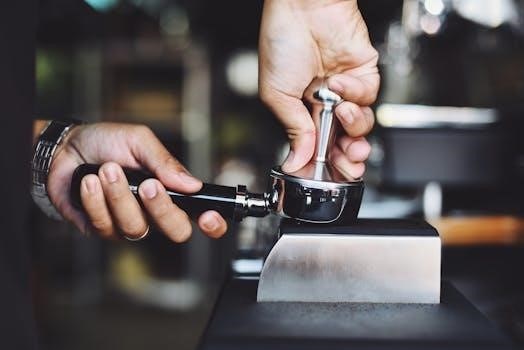
The Sage Barista Express comprises several key components designed for efficient and effective espresso brewing. The integrated conical burr grinder allows for fresh grinding of coffee beans directly before extraction, with adjustable grind size settings. The bean hopper, situated on top of the grinder, stores whole coffee beans. The water tank, typically with a two-liter capacity, is located at the back of the machine, providing water for brewing. The portafilter, which holds the ground coffee, locks into the group head for extraction. The steam wand, used for frothing milk, is on the side of the machine. The hot water outlet dispenses hot water for tea or other beverages. The control panel features buttons and dials for selecting shot sizes, and programming settings. The drip tray and storage tray are at the base to collect spills and provide space for storing accessories. The tamper is used for compressing ground coffee in the portafilter. The pressure gauge monitors the brewing pressure. The cleaning tool is used to maintain the machine. These components work together to deliver a cafe-quality espresso experience at home. The user should be familiar with each part to fully utilize the machines potential.

Functions of the Barista Express

The Sage Barista Express offers a range of functions to cater to various coffee preferences. Its integrated conical burr grinder allows users to grind fresh beans directly into the portafilter, ensuring optimal flavor. The grind size can be adjusted to suit different types of coffee beans and desired extraction levels. The machine provides pre-programmed single and double shot volumes, which can be customized to personal preferences. A manual mode allows for complete control over the brewing process, enabling users to experiment with different extraction times and volumes. The steam wand enables the creation of micro-foam for latte art and other milk-based drinks. The hot water function dispenses hot water for tea and other beverages. The machine features a pressure gauge, which provides feedback on the extraction process and helps users achieve the right pressure for optimal results. The Barista Express also includes an automatic cleaning cycle, which simplifies machine maintenance. The grind amount dial allows adjustment of the dose of coffee, and the machine provides a pre-infusion feature which gently soaks the coffee grounds before applying pressure, enhancing the extraction. These functions contribute to the versatility and performance of the machine, providing a complete coffee-making experience.

Setting Up the Barista Express for First Use

Before using your Sage Barista Express for the first time, it is crucial to follow a few setup steps to ensure optimal performance. Begin by unpacking all components and removing any protective materials. Place the machine on a stable, level surface, ensuring there is adequate space around it for ventilation. Fill the water tank with fresh, filtered water to the maximum level indicated. Plug the power cord into a grounded outlet, confirming that the voltage matches the machine’s requirements. Next, perform a cleaning cycle by following the instructions in the manual, which typically involves running hot water through the brew head and steam wand. This process helps to clear any manufacturing residues and prepares the machine for use. Familiarize yourself with the control panel and various settings. Set the grind amount dial to the 3 o’clock position as an initial starting point. It is recommended to start with a medium grind setting and adjust as necessary. Before making espresso, ensure that the portafilter is properly assembled and locked into place. By completing these steps, you are ready to start brewing with your Barista Express.

Adjusting the Conical Burrs

The Sage Barista Express features adjustable conical burrs, which allow you to customize the grind size to suit different types of coffee beans and extraction preferences. Adjusting the burrs is essential for achieving the correct grind consistency, which directly impacts the quality of your espresso. To adjust the grind size, locate the grind size dial, usually located on the side of the machine. This dial typically has a range of settings from coarse to fine. It is recommended to start at the mid-range setting and adjust as needed. If your espresso is extracting too quickly, resulting in a weak and watery shot, you should adjust to a finer grind. Conversely, if the espresso is extracting too slowly, resulting in a bitter taste, you should adjust to a coarser grind. When making adjustments, make small increments, and observe the results. It is best practice to adjust the grind size when the grinder is running and not when it is idle. This ensures the burrs are correctly aligned. Remember that different coffee beans may require different grind settings to achieve optimal extraction, so experimentation and careful adjustments are necessary to fine-tune the process for each type of bean.

Grind Amount Settings

The Sage Barista Express allows you to control the amount of ground coffee dispensed for each dose, ensuring consistency in your espresso preparation. The grind amount setting is typically adjusted using a dial or a button, often located near the grinder. It is vital to set the correct grind amount to achieve the desired brew ratio, which impacts the overall strength and flavor of the espresso. The machine often has pre-programmed settings for single and double shots, but these can be adjusted to suit your preferences. If you find that the pre-programmed settings are not suitable for your needs, you can use the manual mode to customize the grind amount. When using the manual mode, you can control the grind duration by pressing and holding the grind button. The machine will grind until the button is released or until the grind time reaches the maximum, which can then be stopped manually by hitting the button again. Starting with a mid-range setting is a good practice, then adjusting the grind time based on your specific needs is recommended. A small adjustment can lead to a significant difference, so it is important to observe the results and adjust accordingly to achieve the optimal coffee-to-water ratio for your desired taste.

Manual Mode Operation

The manual mode on the Sage Barista Express offers full control over the espresso extraction process, allowing experienced users to fine-tune their brew. Unlike the pre-programmed settings, manual mode lets you determine the duration of both the grinding and the brewing process. This is especially useful for achieving a specific brew ratio or for experimenting with different coffee beans. To initiate the manual grind process, you typically press and hold the grind button; the grinder will operate until the button is released. For manual espresso extraction, you can activate the brew function and stop it manually when the desired amount of espresso is achieved. In manual mode, you are responsible for monitoring the extraction time and volume, which allows you to adjust your process based on real-time feedback. This method requires practice and attention, as each variable can affect the final taste. Using the manual mode, you can achieve a more custom extraction. For example, you might choose to stop it earlier for a ristretto or later for a lungo. By closely controlling the process and making adjustments as necessary, you can significantly influence the outcome of your brew. The user manual provides further details on how to control these variables.

Espresso Extraction and Brew Ratio

Espresso extraction is a crucial element in achieving a high-quality cup of coffee, and the brew ratio plays a significant role in this process. The brew ratio refers to the proportion of ground coffee to the liquid espresso extracted. A standard ratio often recommended is 1⁚2, meaning for every gram of ground coffee, you extract two grams of liquid espresso. For example, if you use 18 grams of ground coffee, the target would be 36 grams of extracted espresso. The ideal extraction time is generally between 25 to 30 seconds, which ensures that the optimal flavor compounds are extracted from the coffee grounds without over or under extracting. A balanced extraction results in a rich, full-bodied espresso with a sweet, pleasant taste and a creamy texture. Factors such as the fineness of the grind, the tamping pressure, and the water temperature can also impact the extraction process, influencing the taste and overall quality. Understanding the brew ratio and its effect on the final product allows you to adjust your settings and techniques to consistently produce a satisfying espresso. Pre-programmed settings may not always produce the desired result, making it useful to use the manual mode to fine-tune the brew ratio based on your preference and the type of beans used. Learning to control the variables allows you to achieve the perfect extraction. The user manual provides further details and guidelines.

Care and Cleaning of the Barista Express

Proper care and cleaning are essential to maintain the performance and longevity of your Barista Express. Regular cleaning ensures that your machine consistently delivers high-quality espresso and prevents the buildup of coffee oils and residues, which can affect the taste. After each use, it is recommended to empty the drip tray and the spent coffee grounds from the portafilter. The portafilter should be rinsed under warm water to remove any remaining coffee particles. The steam wand should be purged immediately after steaming milk and wiped clean with a damp cloth. Regularly clean the water tank and replace the water when needed. It is important to descale the machine periodically to remove mineral buildup, which can impact the machine’s performance. The frequency of descaling depends on the water hardness and how often you use the machine. The burr grinder should be cleaned regularly to prevent blockages from coffee grounds. The user manual usually provides detailed instructions on how to clean each part of the machine. Use a soft cloth for external cleaning and avoid abrasive cleaners that can damage the finish. Regularly inspect the power cord and other parts for any damage. By following these cleaning and maintenance practices, you can ensure that your Barista Express remains in optimal working condition and continues to provide you with excellent coffee for years to come.

Troubleshooting Common Issues

Encountering issues with your Sage Barista Express is not uncommon, and understanding how to troubleshoot them can save you time and frustration. One frequent problem is inconsistent espresso extraction, which may be due to an incorrect grind size. Adjusting the grinder to a finer or coarser setting can often resolve this. If the espresso is extracting too slowly or not at all, check for blockages in the portafilter or grinder. Ensure the water tank is filled and the machine is properly powered on; Another common issue is milk not frothing correctly. This could be due to a blocked steam wand or the milk being too cold. Make sure the steam wand is clean and use fresh, cold milk. If the machine is not heating up or the lights are not illuminating, inspect the power cord and connections. If your machine is making unusual noises, it may require descaling or cleaning of internal parts. The user manual provides detailed troubleshooting guides for specific issues. If basic troubleshooting does not resolve the problem, it is recommended to contact an authorized Sage service center for professional assistance. Regularly inspecting and cleaning your machine can prevent many common issues from occurring. Always refer to the manual for detailed instructions and do not hesitate to seek professional help when needed. By taking these steps, you can effectively address most common issues with the Barista Express.

Pre-Infusion Techniques

Pre-infusion is a vital step in the espresso extraction process, and the Sage Barista Express allows for both automatic and manual control of this phase. Pre-infusion involves wetting the coffee grounds with low-pressure water before the full extraction pressure is applied. This gentle saturation helps the grounds swell, ensuring even extraction and a more balanced flavor profile. The automatic pre-infusion setting on the Barista Express typically delivers a short, low-pressure water burst before the main extraction cycle. For those seeking more control, the manual mode allows users to manipulate the pre-infusion duration. To manually pre-infuse, engage the brew button and hold it down for the desired duration before releasing to begin the full extraction. Experimenting with different pre-infusion times can significantly impact the final taste of your espresso. Longer pre-infusion times may result in a smoother, less bitter shot, while shorter times can enhance the acidity and brightness of the coffee. Observation is key, so pay attention to how the extraction looks and adjust your pre-infusion technique to achieve the desired results. Practice and experimentation are crucial to mastering pre-infusion, enabling you to customize your coffee to your taste preferences. Remember to keep notes on your process to ensure repeatable results. Mastering this technique is a significant step towards creating cafe-quality espresso at home.

Warranty Information

The Sage Barista Express comes with a limited warranty that covers defects in materials and workmanship under normal domestic use. The specific duration of the warranty may vary depending on your region, so it’s essential to refer to the documentation included with your machine for precise details. Typically, the warranty period starts from the date of purchase and requires proof of purchase to be valid. This warranty protects against manufacturing flaws that may appear during the specified timeframe. It’s important to note that this warranty does not cover damage caused by misuse, abuse, accidents, or unauthorized repairs. Regular maintenance, such as cleaning and descaling, as outlined in this manual, is essential for maintaining the warranty’s validity. If you encounter an issue covered under warranty, it is imperative to contact an authorized Sage service center for examination, replacement, or repair. Attempting repairs yourself or using non-authorized service providers will void the warranty. To ensure a smooth warranty process, keep your original purchase receipt and register your product with Sage as soon as possible. For detailed warranty terms, conditions, and procedures, always refer to the official warranty documentation supplied with your Barista Express. Understanding the warranty is crucial for safeguarding your investment and ensuring access to support when needed. Regular reviews of the warranty are advised, especially if there are any concerns about the functionality of your machine.