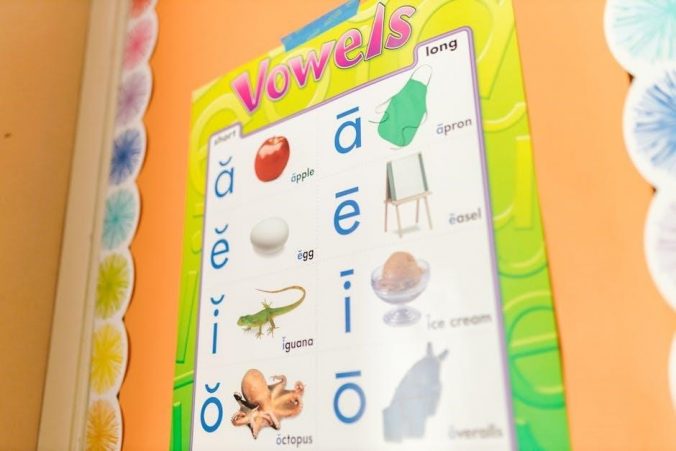
Category: PDF (Page 1 of 6)

west virginia phonics lessons pdf free download

West Virginia Phonics is a free, structured curriculum providing essential phonics skills instruction. It equips teachers with resources aligned to state standards, fostering reading success.

The Importance of Phonics in Early Literacy

Phonics forms the cornerstone of early literacy, enabling students to decode words and build reading fluency. A systematic phonics approach, like that offered by West Virginia Phonics, is crucial for establishing a strong foundation.


Explicit instruction in sound-letter relationships—phoneme-grapheme correspondence— empowers learners to independently tackle unfamiliar texts. Without robust phonics skills, reading comprehension suffers, hindering academic progress. Accessing free West Virginia Phonics resources, potentially in PDF format, can significantly support educators in delivering effective, evidence-based literacy instruction.

Overview of the West Virginia Phonics Program

The West Virginia Phonics Program is a freely available curriculum designed to equip educators with the tools needed to teach essential phonics skills; It emphasizes a structured, systematic approach, focusing on ten core skills vital for reading proficiency.

The program’s resources, often available as downloadable PDFs, aim to ensure consistency and effectiveness in teaching. It’s designed to align with West Virginia’s educational standards, supporting educators in fostering strong literacy foundations for all students.

Finding Free West Virginia Phonics PDF Downloads

Official state websites and educational repositories offer downloadable West Virginia Phonics PDFs, aligning with curriculum requirements and state educational standards.

Official West Virginia Department of Education Resources

The West Virginia Department of Education is the primary source for the official Phonics program materials. Educators can directly access the curriculum and supplemental resources designed for effective phonics instruction. These resources are freely available as downloadable PDFs, ensuring equitable access for all teachers within the state.

Look for materials specifically labeled as part of the West Virginia Phonics initiative to guarantee alignment with the state’s literacy standards. These official documents provide a systematic and explicit approach to teaching foundational reading skills, supporting student success in early literacy development.

Educational Repositories and Websites

Beyond the official West Virginia Department of Education site, several educational repositories and websites may host downloadable West Virginia Phonics materials. These platforms often curate resources from various sources, potentially including supplemental activities and lesson plans aligned with the core curriculum;

However, verifying the authenticity and alignment of resources found on these sites is crucial. Prioritize repositories known for their commitment to educational quality and ensure the materials directly support the state’s phonics standards for effective implementation.

Potential Sources for Free PDFs

While direct links are dynamic, searching educational resource sites like Teachers Pay Teachers (filtering for free resources) and various school district websites may yield West Virginia Phonics PDFs. Additionally, explore online learning platforms and educational blogs that often share free teaching materials.

Remember to critically evaluate any downloaded PDF, confirming its origin and alignment with the official West Virginia curriculum to ensure accuracy and appropriateness for your students’ needs.

Understanding the West Virginia Phonics Curriculum

The program focuses on ten core skills, employing systematic and explicit phonics instruction, with a strong emphasis on orthographic mapping for reading proficiency.

Core Skills Addressed in the Program

West Virginia Phonics meticulously addresses ten core skills crucial for developing proficient readers. These encompass phoneme awareness, phoneme-grapheme correspondence, blending, segmenting, and manipulating sounds. The curriculum also focuses on decoding skills, spelling patterns, and syllable division.

Furthermore, it emphasizes fluency development and reading comprehension, building a strong foundation for literacy. These skills are systematically taught and reinforced throughout the program, ensuring students master foundational reading elements.

Systematic and Explicit Phonics Instruction

West Virginia Phonics champions a systematic and explicit approach to phonics instruction, leaving no room for guesswork. Skills are introduced in a logical sequence, building upon previously learned concepts. Direct instruction, modeling, and guided practice are central to the methodology.

This ensures all learners, regardless of background, receive clear and consistent teaching. The program’s structured nature promotes mastery and minimizes gaps in understanding, fostering confident readers.

Focus on Orthographic Mapping

West Virginia Phonics heavily emphasizes orthographic mapping – the process of instantly recognizing words. This involves creating direct connections between phonemes (sounds) and graphemes (letters). The companion resource specifically supports this process for individualized learning.

By strengthening these connections, students move beyond decoding and achieve fluent reading. This skill is crucial for long-term retention and automaticity, enabling effortless word recognition.

Comparing West Virginia Phonics to Other Programs

West Virginia Phonics stands out due to its systematic approach; avoid programs like Fountas and Pinnell, which lack sufficient phonics instruction.

Why Avoid Programs Like Fountas and Pinnell

Fountas and Pinnell’s approach isn’t sufficient for teaching proficient English reading, even to monolingual students. Their methods often prioritize leveled reading over explicit, systematic phonics. This can leave gaps in foundational skills, hindering decoding abilities. West Virginia Phonics, conversely, focuses on essential phoneme-grapheme correspondences.

A strong phonics foundation is crucial, and relying solely on leveled texts can be detrimental. Explicit instruction, as offered by the West Virginia program, ensures all learners develop the necessary skills to become successful readers.

West Virginia Phonics for SLIFE Students

For Students with Interrupted Formal Education (SLIFE), West Virginia Phonics provides a solid base. If SLIFE students possess literacy skills in Roman alphabet languages, focus instruction on differing phoneme-grapheme correspondences. Explicitly teach sounds unique to English.

Prioritize systematic phonics instruction to build decoding skills. This approach supports SLIFE students in bridging their existing literacy knowledge with the demands of the English language, accelerating their reading development.

Adapting Phonics Instruction for Multilingual Learners

Multilingual learners benefit from West Virginia Phonics’ systematic approach, but require tailored support. Acknowledge their existing linguistic backgrounds and potential transfer of skills. Focus on contrasting sounds and graphemes between their native language and English.

Provide ample opportunities for oral practice and connecting sounds to letters. Scaffolding instruction and utilizing visual aids will enhance comprehension and accelerate phonics skill acquisition for these diverse learners.

Utilizing the West Virginia Phonics Companion

The West Virginia Phonics Companion is a supplemental tool designed to support individualized learning and mastery of crucial phonics skills through orthographic mapping.

Supplemental Tool for Individualized Learning

The West Virginia Phonics Companion isn’t a complete curriculum, but rather a flexible resource for educators. It’s designed to be used at the teacher’s discretion, offering support for students needing extra help with specific phonics concepts.

Educators can explore embedded resources within the companion to address individual learning needs and reinforce mastery. This allows for targeted intervention and differentiated instruction, ensuring all students have opportunities to succeed in phonics;

Supporting Mastery of Phonics Skills

The West Virginia Phonics Companion directly supports student mastery through the orthographic mapping process – a crucial element for solidifying sound-letter relationships. By focusing on this process, students build lasting connections between phonemes and graphemes, improving reading fluency and comprehension.

This supplemental tool provides targeted practice and reinforcement, helping students overcome challenges and achieve proficiency in essential phonics skills, ultimately leading to confident readers.

Discretionary Use by Educators

It’s vital to understand the West Virginia Phonics Companion isn’t a standalone curriculum; it’s designed as a flexible supplemental resource. Educators retain full discretion in selecting and implementing materials based on individual student needs and learning progress.

Teachers can strategically integrate companion resources to reinforce core skills, provide targeted intervention, or enrich existing phonics instruction, fostering a personalized learning experience.

Specific Resources Available for Download

Downloadable resources include K-2 phonics activities and the West Virginia Teaching License Certificate, aligning with state standards for effective literacy instruction.

K-2 Phonics Activities

West Virginia Phonics provides engaging activities specifically designed for Kindergarten through second-grade students. These resources focus on building a strong foundation in essential phonics skills, including phoneme-grapheme correspondence and orthographic mapping. Educators can access these materials as downloadable PDFs to support systematic and explicit instruction. The activities aim to foster reading proficiency through a structured approach, ensuring students develop the necessary skills to decode words effectively and build fluency. These resources are readily available to enhance classroom learning.

West Virginia Teaching License Certificate Resources

While searching for West Virginia Phonics materials, resources related to West Virginia Teaching License Certificates may appear in search results. These documents are distinct from the phonics curriculum itself, focusing on educator qualifications and professional development requirements within the state. Educators seeking license information should consult the official West Virginia Department of Education website. It’s crucial to differentiate between phonics instructional materials and certification documentation when navigating online resources for accurate information.

Curriculum Alignment with State Standards

The West Virginia Phonics program is intentionally designed to align with West Virginia’s established educational standards. This ensures consistency and effectiveness in teaching foundational reading skills across the state. Resources are crafted to meet specific learning objectives outlined by the Department of Education, supporting a cohesive instructional approach. Alignment guarantees students receive instruction that prepares them for state assessments and future academic success.

Navigating Online Search for PDFs

Utilize specific search terms like “West Virginia Phonics PDF” and filter results carefully to identify reliable sources offering free, downloadable curriculum materials;

Effective Search Terms

To locate free West Virginia Phonics PDF downloads, employ precise search phrases. Combine keywords like “West Virginia Phonics curriculum,” “WV Phonics PDF,” “free phonics lessons West Virginia,” and “West Virginia Department of Education phonics.” Experiment with variations, including grade levels (e.g., “K-2 West Virginia Phonics”).

Refine searches by adding “PDF” or “download.” Boolean operators like “AND” (e.g., “West Virginia AND Phonics AND PDF”) can narrow results. Remember to check official state websites and educational repositories for legitimate resources.

Filtering Search Results

When searching for West Virginia Phonics PDFs, utilize search tools to refine results. Filter by file type (select “PDF” specifically). Prioritize results from official sources like the West Virginia Department of Education website or reputable educational repositories. Examine website domains – “.gov” or “.edu” indicate official or academic origins.

Scan snippets for relevant keywords confirming the content matches your needs. Be cautious of unfamiliar websites and always verify the source’s credibility before downloading any files.

Identifying Reliable Sources

Prioritize the West Virginia Department of Education’s official website as the most trustworthy source for curriculum materials. Look for PDFs hosted on “.gov” domains, signifying government-backed resources. Educational repositories associated with universities (“.edu”) are also generally reliable.

Exercise caution with independent websites; check their “About Us” page and assess their reputation. Verify that the PDF aligns with the official West Virginia Phonics program guidelines.

Legal Considerations for Downloading PDFs

Respect copyright and fair use when downloading materials. Review website terms of service and ensure compliance with educational policies regarding resource usage.

Copyright and Fair Use

When accessing West Virginia Phonics PDFs, understanding copyright is crucial. Materials from the official West Virginia Department of Education are generally permissible for educational purposes within the state. However, redistribution or commercial use is prohibited.

Fair use allows limited use of copyrighted material without permission for purposes like teaching, scholarship, or research. Always cite sources appropriately and avoid downloading from unofficial sites that may violate copyright laws. Prioritize resources directly from trusted educational sources to ensure legal compliance and ethical access.

Terms of Service for Websites

Before downloading West Virginia Phonics PDFs, carefully review the terms of service for each website. These terms outline acceptable use, potential restrictions, and legal obligations. Many sites prohibit unauthorized distribution or modification of materials;

Pay attention to clauses regarding copyright, data privacy, and liability. By accessing and downloading resources, you implicitly agree to abide by these terms. Prioritize official educational websites to minimize legal risks and ensure responsible resource utilization.

Ensuring Compliance with Educational Policies

When utilizing West Virginia Phonics resources, educators must adhere to district and state educational policies regarding curriculum implementation and supplemental materials. Verify that downloaded PDFs align with approved instructional practices and learning objectives.

Maintain documentation of resource sources and permissions for auditing purposes. Prioritize materials from the official West Virginia Department of Education to guarantee compliance and support student learning outcomes within established guidelines.

Troubleshooting Download Issues

Common PDF errors include corruption or incompatibility. Ensure updated software and try alternative download methods if initial attempts fail to access resources.

Common PDF Errors

When attempting to download West Virginia Phonics PDFs, several common errors may occur. These include corrupted files, resulting in unreadable content or program crashes. Incompatibility issues can arise if your PDF reader is outdated or lacks necessary plugins.

Another frequent problem is incomplete downloads, leaving you with a partially functional file. Error messages like “file damaged” or “unknown file format” often indicate these issues. Clearing your browser’s cache and cookies, or trying a different browser, can sometimes resolve these problems.

Software Requirements

To access and utilize downloaded West Virginia Phonics PDF resources, a compatible PDF reader is essential. Adobe Acrobat Reader is a widely used, free option, ensuring proper formatting and functionality.

Ensure your operating system (Windows, macOS, etc.) is up-to-date for optimal performance. A stable internet connection is crucial during the download process. While most PDFs are universally compatible, some may require updated browser versions or specific plugins for interactive elements.

Alternative Download Methods

If direct PDF downloads prove problematic, explore utilizing online document viewers. Many web browsers possess built-in PDF viewing capabilities, bypassing the need for dedicated software.

Alternatively, consider requesting assistance from your school’s IT department or library media specialist. They may offer access to resources or alternative download pathways. Utilizing a different browser or device could also resolve download issues, ensuring access to the West Virginia Phonics materials.

Beyond the PDF: Additional West Virginia Phonics Support

West Virginia Phonics offers professional development and online communities for educators, alongside further research resources, to enhance instructional practices.

Professional Development Opportunities

West Virginia offers various professional development avenues to support educators implementing the Phonics program. These opportunities aim to deepen understanding of systematic phonics instruction and orthographic mapping. Educators can access workshops, webinars, and potentially regional training sessions focused on the curriculum’s core principles.

These programs ensure teachers are well-equipped to deliver effective lessons and address diverse learner needs, ultimately maximizing student reading achievement. Continuous learning is encouraged to stay current with best practices.

Online Communities for Educators

West Virginia teachers utilizing the Phonics program can benefit from connecting with peers through online communities. These platforms facilitate collaboration, resource sharing, and problem-solving related to implementation challenges. Educators can exchange best practices, discuss student progress, and seek support from experienced colleagues.

Active participation fosters a sense of collective expertise and enhances the overall effectiveness of the phonics instruction delivered across the state’s classrooms.

Further Research and Resources

To deepen understanding of the West Virginia Phonics program, educators should explore research on systematic phonics instruction and orthographic mapping. The West Virginia Department of Education website provides curriculum documents and updates. Investigating scholarly articles on effective literacy practices will also prove beneficial.

Continued professional development and access to supplemental materials are key to maximizing student outcomes.

The Role of Phoneme-Grapheme Correspondence

West Virginia Phonics emphasizes understanding sound-letter relationships, applying this knowledge across languages, and addressing pronunciation variations for effective reading instruction.

Understanding Sound-Letter Relationships

West Virginia Phonics centers on the crucial link between phonemes (sounds) and graphemes (letters). This systematic approach teaches students to decode words by recognizing these correspondences. The program explicitly instructs how sounds are represented by letters and letter combinations, building a foundational skill for reading and spelling.

Mastering these relationships allows learners to blend sounds to read unfamiliar words and segment words into sounds for spelling. This skill is paramount for all students, especially those learning English as a second language.

Applying Knowledge to Different Languages

For students literate in languages using the Roman alphabet, West Virginia Phonics focuses on phoneme-grapheme differences. The program highlights how sounds are represented uniquely across languages, building upon existing literacy skills. This targeted approach avoids redundant instruction and accelerates learning for multilingual learners.

Understanding these variations allows students to transfer their knowledge and efficiently decode English words, minimizing confusion and maximizing reading proficiency. It’s a powerful strategy for SLIFE students.

Addressing Variations in Pronunciation

West Virginia Phonics acknowledges pronunciation differences impacting phoneme-grapheme correspondence. The curriculum directly addresses how sounds can shift based on regional accents or a student’s first language. Explicitly teaching these nuances prevents misinterpretations and strengthens decoding skills.

By recognizing and accommodating pronunciation variations, educators foster inclusivity and ensure all learners can successfully map sounds to letters, ultimately improving reading fluency and comprehension.

Evaluating the Effectiveness of Phonics Instruction

West Virginia Phonics emphasizes data-driven instruction, assessing student progress to monitor skill development and adjust teaching for optimal phonics mastery.

Assessing Student Progress

Regularly evaluating student understanding is crucial when implementing West Virginia Phonics. Educators should utilize formative assessments throughout lessons to gauge immediate comprehension of phoneme-grapheme correspondences and decoding skills. These quick checks inform instructional adjustments, ensuring no learner falls behind.

Summative assessments, like phonics surveys or reading passages, provide a broader view of mastery. Data collected from these assessments should drive instructional decisions, pinpointing areas needing reinforcement and guiding individualized support. Consistent monitoring allows teachers to effectively track each student’s phonics skill development.

Data-Driven Instruction

West Virginia Phonics emphasizes utilizing assessment data to inform teaching practices. Analyzing student performance – from formative checks to summative evaluations – reveals specific skill gaps and areas of strength. This insight allows educators to tailor instruction, providing targeted support where it’s most needed.

Grouping students based on demonstrated needs, and adjusting lesson pacing accordingly, are key components. Data-driven decisions ensure efficient use of instructional time, maximizing learning outcomes for all students within the phonics program.

Monitoring Phonics Skill Development

Consistent monitoring of student progress is crucial within the West Virginia Phonics program. Regular assessments, both formal and informal, track mastery of phoneme-grapheme correspondences and decoding abilities. Observing students during guided reading and independent practice provides valuable qualitative data.

This ongoing monitoring allows teachers to identify students who may be struggling and provide timely interventions. Tracking skill development ensures all learners achieve foundational reading proficiency, building a strong base for future literacy success.

world war 1 worksheet answer key pdf

World War I Worksheet Answer Key PDF: A Comprehensive Plan

Comprehensive PDF resources, including worksheets and unit tests with answer keys, are readily available online for educators focusing on World War I history.

pdfFiller offers editable and fillable World War I worksheet answer key PDFs, streamlining assessment preparation and student engagement with interactive features.

Understanding the Demand for WWI Worksheets

The demand for World War I worksheets, particularly in PDF format with accompanying answer keys, stems from a crucial need within education to effectively convey the complexities of this pivotal historical event. Educators require accessible, ready-to-use materials to supplement their lessons and assess student comprehension.

These worksheets cater to diverse learning styles, offering activities like reading comprehension questions, matching exercises focused on key figures and events, and timeline sequencing to reinforce historical understanding. The availability of answer keys is paramount, saving teachers valuable time and ensuring accurate evaluation of student work.

Furthermore, the PDF format enhances accessibility, allowing for easy distribution, printing, and digital integration into learning management systems. Resources like those found on teaching websites provide a multimedia approach, enriching the learning experience beyond traditional textbooks. The focus remains on providing students with a solid grasp of WWI’s causes, consequences, and lasting impact.

PDF Format and Accessibility

The prevalence of World War I worksheets in PDF format isn’t accidental; it’s driven by significant advantages in accessibility and usability. PDFs ensure consistent formatting across various devices and operating systems, eliminating potential display issues encountered with other file types.

This consistency is vital for both teachers and students. Educators can confidently distribute materials knowing they’ll appear as intended, while students can reliably access and complete assignments regardless of their technology. PDFs are also easily printable, catering to traditional learning preferences.

Moreover, platforms like pdfFiller specifically address accessibility by offering fillable PDF worksheets. These allow students to complete assignments directly on their devices, enhancing convenience and promoting digital literacy. The ease of sharing and storing PDFs further contributes to their widespread adoption in educational settings, making WWI resources readily available.

Central Powers Focus in Worksheets

Many World War I worksheets dedicate significant attention to the Central Powers – Germany, Austria-Hungary, the Ottoman Empire, and Bulgaria – examining their roles, motivations, and impact on the conflict. These resources often delve into the complex web of alliances that propelled Europe into war, highlighting the Central Powers’ strategic objectives and military campaigns.

Worksheets frequently pose questions about key figures within the Central Powers, such as Kaiser Wilhelm II, and explore the internal pressures and societal factors that influenced their decisions. Analyzing the strengths and weaknesses of the Central Powers’ military strategies is a common exercise.

Furthermore, some worksheets explore the consequences faced by these nations following their defeat, including territorial losses, economic hardship, and political upheaval. Understanding the Central Powers’ perspective is crucial for a nuanced comprehension of World War I, and worksheets effectively facilitate this exploration.

World War I: Famine & Impact – Worksheet Content

Worksheets addressing World War I often incorporate the devastating impact of famine, particularly in regions directly affected by the conflict and its disruptions to agricultural production and supply chains. These resources explore how wartime blockades, resource allocation for military needs, and displacement of populations led to widespread food shortages.

Content frequently focuses on the Armenian Genocide, intrinsically linked to wartime conditions and food insecurity, prompting students to analyze primary and secondary sources related to this tragic event. Worksheets may also examine famine conditions in occupied territories, like parts of Belgium and Poland.

Questions often assess students’ understanding of the long-term consequences of wartime famine, including demographic shifts, social unrest, and the spread of disease. Analyzing the ethical implications of wartime policies that contributed to famine is a common analytical task.

Key Concepts of World War I – Worksheet Breakdown

Worksheets centered on key World War I concepts typically dedicate sections to understanding the complex web of alliances, the rise of nationalism, and the impact of imperialism as contributing factors to the war’s outbreak. Resources often break down the Schlieffen Plan and its failure, alongside the evolution of trench warfare.

Content includes questions assessing comprehension of new military technologies – machine guns, poison gas, tanks – and their influence on battlefield tactics and the scale of casualties. Students analyze the concept of total war and its implications for civilian populations.

Breakdowns frequently feature sections on the Treaty of Versailles, its terms, and its long-term consequences, prompting critical thinking about the seeds of future conflict. Worksheets often include 6 pages dedicated to these core themes.

Identifying Core Themes & Questions

Effective World War I worksheets prioritize identifying core themes like militarism, alliances, imperialism, and nationalism – often framed as the “MAIN” causes. Questions challenge students to analyze primary sources, evaluating perspectives and biases present in wartime propaganda or soldiers’ letters.

Worksheets frequently pose questions about the shifting balance of power in Europe, the role of public opinion, and the ethical dilemmas posed by new technologies. They encourage students to consider the human cost of war, moving beyond statistics to explore individual experiences.

Critical thinking is fostered through prompts asking students to evaluate the Treaty of Versailles’ fairness and predict its potential consequences. Key Concepts of WWI worksheets, spanning 6 pages, often center around these analytical questions.

Analyzing Primary Source Integration

High-quality World War I worksheets effectively integrate primary sources – excerpts from treaties, letters from soldiers, political cartoons, and propaganda posters – to enhance student understanding; Questions guide students to analyze these sources for bias, context, and intended audience.

Worksheet activities might ask students to compare and contrast different perspectives on the same event, using primary source evidence to support their claims. Analyzing wartime propaganda, for example, encourages critical evaluation of persuasive techniques and underlying motivations.

Answer keys for these exercises should provide not just correct answers, but also explanations of how to interpret primary sources, modeling analytical skills. 83-page resources often include extensive primary source collections and detailed analysis guides.

Geography of WWI – Worksheet Exercises

Effective World War I worksheets dedicate sections to geographical understanding, recognizing its crucial role in the conflict’s unfolding. Exercises commonly involve map labeling – identifying the Allied and Central Powers, key battlefronts (Western, Eastern, Italian), and significant territories.

Students might analyze maps depicting pre-war colonial possessions to understand imperial rivalries fueling tensions. Worksheets could also explore the strategic importance of geographical features like the English Channel, the Balkans, and the Dardanelles.

Answer keys should provide accurate map solutions and explanations of how geographical factors influenced military strategies and political decisions. 3-page geography notes, often accompanying larger worksheet sets, offer foundational knowledge for these exercises, ensuring comprehension.

Britain-Germany Rivalry Before WWI – Worksheet Analysis

Worksheets examining the Britain-Germany rivalry prior to 1914 frequently focus on the escalating naval arms race and intense colonial competition. 34-page resources delve into Germany’s ambitious naval expansion – the Flottenprogramm – and Britain’s determined response to maintain naval supremacy.

Analysis questions prompt students to assess how this naval build-up fostered mistrust and heightened tensions. Colonial disputes, particularly in Africa, are also explored, highlighting areas of conflict and diplomatic maneuvering.

Answer keys should detail the key ships involved, the strategic rationale behind naval policies, and the impact of colonial rivalries on Anglo-German relations. Worksheets often include primary source excerpts illustrating the prevailing attitudes and anxieties of the period, requiring critical thinking skills.

Naval Arms Race & Colonial Competition

Worksheet answer keys pertaining to the naval arms race detail Germany’s challenge to British maritime dominance, initiated by the Flottenprogramm in 1898. Key questions assess student understanding of the Dreadnought revolution and its impact on escalating tensions.

Colonial competition, particularly in Africa – focusing on Morocco and East Africa – is analyzed through map exercises and source analysis. Answer keys should identify specific colonial claims and the diplomatic crises they triggered.

Worksheets often include data charts comparing British and German naval strength, prompting students to interpret statistical trends. Analysis focuses on how these rivalries contributed to a climate of fear and suspicion, ultimately fueling the path to war. Resources emphasize the interconnectedness of naval and colonial ambitions.

Diplomatic Tensions & Alliances

Worksheet answer keys covering diplomatic tensions focus on the complex web of alliances – the Triple Alliance (Germany, Austria-Hungary, Italy) and the Triple Entente (France, Russia, Great Britain). Key questions assess understanding of treaty obligations and their implications for escalating conflicts.

Analysis centers on the Moroccan Crises (1905 & 1911) and the Balkan Wars (1912-1913) as flashpoints revealing the fragility of peace. Worksheets often include excerpts from diplomatic correspondence, requiring students to identify underlying motives and miscalculations.

Answer keys should highlight the role of secret treaties and the system of mobilization plans in accelerating the crisis of 1914. Resources emphasize the breakdown of diplomatic efforts in the July Crisis and the chain reaction of declarations of war.

WWI Unit Tests & Answer Keys – Types & Features

WWI unit tests, accompanied by detailed answer keys, come in various formats: multiple-choice, true/false, short answer, and essay questions. PDF versions are widely available, facilitating easy distribution and printing for classroom use.

Comprehensive tests assess student understanding of causes, key events, major figures, and the war’s consequences. Answer keys provide not just correct answers, but also explanations and historical context, aiding student learning.

Resources like those found on teaching websites offer differentiated tests to cater to diverse learning needs. Features include varying difficulty levels and opportunities for students to demonstrate analytical skills. pdfFiller supports easy editing and annotation of these tests and keys.

Timeline Worksheets & Historical Sequencing

Timeline worksheets are crucial for understanding the chronological order of WWI events, from the assassination of Archduke Franz Ferdinand to the Treaty of Versailles. PDF formats allow for easy printing and completion, often requiring students to place events in the correct sequence.

Historical sequencing exercises enhance comprehension of cause-and-effect relationships. These worksheets frequently include key dates and events, challenging students to reconstruct the war’s progression. Answer keys verify accuracy and provide a reference for learning;

Resources for history teachers offer multimedia timelines alongside printable worksheets. Interactive timelines, sometimes found online, complement traditional worksheets, offering a dynamic learning experience. pdfFiller can be used to customize and distribute these timeline activities.

Reading Comprehension Questions – Common Themes

Reading comprehension questions accompanying WWI worksheets commonly focus on themes like the causes of the war, trench warfare, the impact of new technologies, and the consequences of the Treaty of Versailles. PDF worksheets often present excerpts from primary and secondary sources, followed by questions assessing understanding.

Common themes explored include nationalism, imperialism, militarism, and the alliance system. Questions may require students to analyze perspectives, identify bias, and draw inferences. Answer keys provide correct responses, facilitating self-assessment and teacher evaluation.

Worksheets frequently incorporate passages detailing the experiences of soldiers, civilians, and political leaders. pdfFiller allows educators to modify existing comprehension questions or create new ones tailored to specific learning objectives. These resources enhance critical thinking skills.

Matching Exercises – Key Figures & Events

Matching exercises within World War I worksheet PDFs are a prevalent method for assessing student knowledge of pivotal figures and significant events. These exercises typically require students to connect names like Woodrow Wilson, Kaiser Wilhelm II, and Archduke Franz Ferdinand with their respective roles or actions during the war.

Key events such as the Battle of the Marne, the sinking of the Lusitania, and the signing of the Treaty of Versailles are frequently included. Answer keys provide the correct pairings, enabling efficient grading and student self-checking;

PDF format allows for easy printing and distribution, while platforms like pdfFiller offer tools to customize these exercises, adding or modifying entries to align with specific curriculum needs. These exercises reinforce factual recall and historical understanding.

Fillable PDF Worksheets – pdfFiller & Online Tools

Fillable PDF worksheets are a cornerstone of modern World War I education, offering convenience and interactivity. pdfFiller emerges as a leading online tool, enabling educators and students to easily complete, edit, and sign World War I worksheets directly on their computers or mobile devices.

These PDFs often include sections for student names, dates, and answers, eliminating the need for printing. Online tools like pdfFiller streamline the grading process, allowing for digital annotations and feedback.

World War I worksheet answer key PDFs can also be digitally marked. This approach promotes paperless classrooms and efficient workflow. The ability to instantly share and store completed worksheets further enhances accessibility and organization;

C Programming Tutorials & Relevance (Indirect Connection)

While seemingly disparate, C programming tutorials demonstrate a parallel skill set valuable in processing and analyzing large datasets – a potential application for managing and scoring responses from extensive World War I worksheet answer key PDFs. Learning C involves logical thinking and problem-solving, skills transferable to creating automated grading systems.

A foundational “Hello World” program illustrates basic code structure, mirroring the fundamental building blocks of data manipulation. More advanced C concepts could be applied to develop tools that parse PDF data, extract answers, and compare them to correct solutions.

Though not directly related to historical content, the computational skills gained through C programming can indirectly support the efficient handling of educational materials, including World War I assessments.

AI-Powered Editing Tools & Document Refinement (Copilot)

Copilot, an AI assistant, offers significant benefits in refining World War I worksheet answer key PDFs. Its capabilities extend to enhancing clarity, improving grammar, and ensuring stylistic consistency within answer keys and accompanying materials. This is particularly useful when dealing with lengthy documents or multiple contributors.

AI-powered language suggestions can help educators create more precise and understandable answer explanations, minimizing ambiguity for students. Copilot can also assist in translating or adapting worksheets for diverse learners.

Furthermore, Copilot’s document editing features can streamline the process of converting historical texts into worksheet formats, ensuring accuracy and readability. The tool’s real-time feedback accelerates document preparation, ultimately improving the quality of World War I educational resources.

Interactive Gameplay & Muse Models (Copilot Labs)

Copilot Labs introduces interactive, real-time gameplay experiences powered by Muse models, offering innovative ways to engage students with World War I content, indirectly supporting worksheet comprehension. While not directly creating World War I worksheet answer key PDFs, these models can enhance learning.

Imagine a scenario where students navigate a virtual WWI battlefield, answering questions related to key events and figures – reinforcing concepts presented in worksheets. Muse can generate dynamic historical scenarios, providing context for worksheet questions and fostering deeper understanding.

This immersive approach complements traditional learning methods, making history more accessible and memorable. Though not a PDF generator, Copilot Labs’ interactive gameplay can significantly improve student performance on World War I assessments and worksheet-based activities.

Hello World Programs & Introductory Concepts (C Programming)

C programming tutorials, starting with the classic “Hello World” program, seem unrelated to World War I worksheet answer key PDFs at first glance. However, the underlying principles of structured thinking and problem-solving fostered by learning to code can indirectly benefit students tackling complex historical analysis.

Developing logical reasoning skills through C programming can enhance a student’s ability to interpret primary sources and analyze the causes and consequences of World War I, ultimately improving their performance on related worksheets.

While not directly involved in creating or completing PDF worksheets, the discipline of coding encourages meticulous attention to detail – a valuable asset when scrutinizing historical documents and verifying answers. The foundational concepts learned are transferable skills.

Characteristics and Classification of Life (Out of Scope)

Characteristics and Classification of Life, a biological science topic, falls entirely outside the scope of World War I worksheet answer key PDFs and related historical studies. Discussions of organisms, ecosystems, and evolutionary biology have no direct relevance to understanding the causes, events, or consequences of the First World War.

While both history and biology are important academic disciplines, their subject matter and methodologies are distinct. A PDF containing World War I questions would not include content pertaining to cellular structures or taxonomic classifications.

Resources focusing on World War I, including answer keys, concentrate on political, social, and military aspects of the conflict, not the natural sciences. Therefore, any mention of life sciences would be extraneous and inappropriate within this context.

social emotional learning curriculum pdf

Social Emotional Learning Curriculum PDF: A Comprehensive Plan

Discover readily available, no-cost SEL curricula in PDF format, encompassing 85-page manuals focused on preparation, engagement, and reflective action strategies.

Social Emotional Learning (SEL) is gaining prominence as a vital component of holistic education, extending beyond traditional academics. It centers on developing a student’s self-awareness, self-management, social awareness, relationship skills, and responsible decision-making.

Currently, educators are actively seeking accessible SEL curricula, often in convenient PDF formats, to seamlessly integrate these skills into classroom practices. Resources like Start Empathy emphasize global awareness alongside local action, while Learning for Justice, a Southern Poverty Law Center program, champions active participation in a diverse democracy.

These initiatives highlight the growing recognition that fostering emotional intelligence is crucial for students’ well-being and future success, preparing them to navigate complex social landscapes effectively.

What is a Social Emotional Learning Curriculum?

A Social Emotional Learning (SEL) curriculum is a structured, intentional approach to teaching the skills necessary for managing emotions, building relationships, and making responsible choices. Often available as a PDF resource, these curricula provide educators with lesson plans and activities designed to foster emotional competency.

Examples include comprehensive programs like School-Connect, an 80-lesson multimedia curriculum for secondary students, and resources like Everyday Speech & We Thinkers, supporting students with diverse learning needs. These programs focus on themes like diversity, empathy, communication, and problem-solving.

The 85-page manual mentioned emphasizes a three-step process: Prepare, Engage, and Reflect & Act, demonstrating a systematic approach to SEL implementation.

The Importance of SEL in Education

SEL is crucial because it enhances students’ ability to connect, collaborate, and communicate effectively – skills vital for academic success and life beyond the classroom. Wisconsin’s Department of Public Instruction highlights SEL strategies to improve these connections.

Integrating SEL, often through accessible PDF curricula, fosters a positive school climate and supports students’ overall well-being. Programs like Second Step and Zones of Regulation, utilized in various districts, demonstrate this commitment.

Furthermore, SEL prepares students to be active participants in a diverse democracy, as emphasized by Learning for Justice, a program of the Southern Poverty Law Center. It’s about building well-rounded individuals.

Key Components of Effective SEL Curricula

Effective curricula prioritize emotional competency, safe learning environments, and educator leadership, mirroring the three-step approach: Prepare, Engage, and Reflect & Act.

Developing Emotional Competency

Cultivating emotional competency is foundational to successful SEL implementation. A comprehensive curriculum, often available as a PDF resource, begins with creating a safe space where students feel comfortable exploring their feelings.

This involves activities designed to help students identify, understand, and appropriately express emotions. The 85-page manual highlights this initial ‘Prepare’ step as crucial.

Programs like Second Step and Zones of Regulation directly address emotional literacy, teaching students to recognize emotional cues in themselves and others.

Furthermore, fostering self-awareness and self-regulation skills empowers students to manage their reactions and build resilience, ultimately contributing to a positive learning environment.

Creating a Safe and Supportive Learning Environment

Establishing a secure and nurturing classroom is paramount for effective Social Emotional Learning (SEL). Many SEL curricula, accessible in PDF format, prioritize this foundational element as the initial ‘Prepare’ step.

This involves proactively fostering a climate of respect, trust, and inclusivity where students feel valued and accepted.

Resources like Learning for Justice emphasize educating students to be active participants in a diverse democracy, contributing to a more equitable and supportive environment.

Curricula such as Second Step and School-Connect incorporate strategies to promote positive relationships and prevent bullying, ensuring all students feel safe to learn and grow.

Leading by Example: The Role of Educators

Educators are central to successful Social Emotional Learning (SEL) implementation, serving as role models for emotional intelligence. Many SEL curriculum PDFs, like those from Start Empathy, highlight the importance of developing educator competency as a crucial ‘Prepare’ step.

This means demonstrating self-awareness, self-regulation, empathy, and responsible decision-making in interactions with students and colleagues.

By modeling these skills, teachers create a culture where emotional expression is normalized and valued.

Programs like Zones of Regulation and Everyday Speech equip educators with the tools to understand and respond to students’ emotional needs effectively, fostering a supportive learning community.

Popular SEL Curriculum Options (PDF Resources)

Explore diverse PDF resources like Second Step, Zones of Regulation, School-Connect, Slumberkins, Everyday Speech, and We Thinkers, catering to varied student needs.

Second Step: Overview and Features

Second Step is a widely utilized, school-wide general education SEL curriculum, often implemented at the district level. This program focuses on equipping students with crucial social-emotional skills, fostering a positive and supportive learning environment.

The curriculum’s strength lies in its comprehensive approach, addressing areas like empathy, emotional management, and problem-solving. It utilizes engaging lessons and activities designed to be developmentally appropriate for various age groups.

Features include explicit instruction, modeling of pro-social behaviors, and opportunities for practice. Educators benefit from robust resources and support materials, ensuring effective implementation. Second Step aims to improve student outcomes by promoting positive social interactions and academic success.

Zones of Regulation: A Framework for Self-Regulation

Zones of Regulation is a popular SEL curriculum, particularly effective in emotional support settings. It’s a framework designed to foster self-regulation by teaching students to identify and manage their emotional states. The program categorizes emotions into four colored “zones” – Blue, Green, Yellow, and Red – representing varying levels of alertness and emotional intensity.

Students learn strategies to recognize which zone they are in and develop tools to move towards the Green Zone, representing optimal regulation. Zones emphasizes self-awareness and provides a common language for discussing feelings.

This curriculum is valued for its visual aids and practical techniques, empowering students to take ownership of their emotional well-being and navigate challenging situations effectively.

School-Connect: Multimedia Curriculum for Secondary Students

School-Connect is an engaging, 80-lesson multimedia curriculum specifically designed for secondary students. It aims to bolster their social, emotional, and academic skills, preparing them for success beyond the classroom – in high school, college, and future workplaces.

This comprehensive program utilizes a variety of multimedia resources, including videos, interactive activities, and real-world scenarios, to make learning relevant and impactful. School-Connect focuses on building essential life skills such as communication, collaboration, and problem-solving.

By addressing these critical areas, the curriculum empowers students to navigate complex social situations, build healthy relationships, and achieve their full potential.

Slumberkins Book Series & Associated Resources

Slumberkins offers a heartwarming and effective approach to Social Emotional Learning (SEL) through its beautifully illustrated book series. These stories introduce children to relatable characters facing common emotional challenges, fostering empathy and understanding.

Beyond the books, Slumberkins provides associated resources, including songs, read-alouds, and mini-series content, enriching the learning experience. This multi-faceted approach caters to diverse learning styles and reinforces key SEL concepts.

Educators and parents alike appreciate Slumberkins for its gentle and accessible way of addressing sensitive topics like anxiety, sadness, and anger, promoting emotional well-being in young learners.

Everyday Speech & We Thinkers: Supporting Learning Needs

Everyday Speech and We Thinkers are valuable SEL curricula specifically designed to support students with diverse learning needs. These resources focus on developing social skills and emotional understanding in a practical, relatable manner.

Often utilized within learning support settings, Everyday Speech provides engaging materials and lessons that address social communication challenges; We Thinkers complements this by focusing on social thinking concepts, helping students navigate complex social situations.

These curricula are favored by educators for their structured approach and ability to promote positive peer interactions, ultimately fostering a more inclusive and supportive learning environment for all students.

Integrating SEL into the Classroom

Enhance learning through group play, storytelling, and immersive activities; cultivate collective problem-solving skills, fostering a supportive environment for emotional growth and development.

Group Play and Collaborative Activities

Utilizing group play and collaborative activities is a cornerstone of effective SEL integration. These methods provide organic opportunities for students to practice crucial social skills in a safe and engaging environment.

Consider incorporating board games and cooperative games, which naturally encourage turn-taking, communication, and negotiation.

Furthermore, collaborative STEM challenges are excellent SEL activities, demanding teamwork, shared problem-solving, and respectful interaction.

These experiences allow students to navigate social dynamics, build empathy, and learn to value diverse perspectives, all while reinforcing academic concepts.

Such activities move beyond traditional instruction, fostering a classroom culture of collaboration and mutual support.

Storytelling as an SEL Tool

Harnessing the power of storytelling is a remarkably effective method for fostering social-emotional learning. Stories provide a safe space to explore complex emotions, diverse perspectives, and challenging social situations.

Resources like the Slumberkins Book Series offer curated narratives specifically designed to support emotional literacy and well-being.

Additionally, read-alouds and mini-series, often available on platforms like YouTube, can supplement the curriculum with engaging visual and auditory elements.

Through stories, students can develop empathy, practice perspective-taking, and learn valuable coping strategies.

Storytelling encourages discussion, reflection, and the articulation of feelings, strengthening emotional intelligence and interpersonal skills.

Immersion and Collective Problem-Solving

Effective SEL curricula incorporate immersive activities and collective problem-solving to build crucial life skills. These approaches move beyond theoretical learning, offering practical application of emotional intelligence.

Collaborative STEM challenges, alongside traditional board games and cooperative games, provide opportunities for students to practice teamwork, communication, and conflict resolution.

Immersion involves creating scenarios where students actively engage with social-emotional concepts, fostering deeper understanding and retention.

Collective problem-solving encourages students to work together, leveraging diverse perspectives to find solutions, building resilience and a sense of community.

These activities align with the curriculum’s Step 2: Engage, promoting active participation and real-world application of SEL principles.

SEL Themes and Focus Areas

Curricula emphasize diversity, inclusion, empathy, critical thinking, communication, peer relationships, and practical problem-solving strategies for students’ social-emotional growth.

Diversity and Inclusion in SEL

Integrating diversity and inclusion is paramount within effective Social Emotional Learning (SEL) curricula. Programs like those offered through the Wisconsin Department of Public Instruction actively incorporate lessons centered around understanding and appreciating differences.

These curricula aim to foster a classroom environment where all students feel valued and respected, regardless of their background or identity. SEL initiatives promote awareness of diverse perspectives, challenging biases and encouraging empathy.

Learning for Justice, a program of the Southern Poverty Law Center, provides resources specifically designed to educate children and youth to become active participants in a diverse democracy, further supporting inclusive SEL practices.

Empathy and Critical Thinking Development

SEL curricula increasingly emphasize the development of both empathy and critical thinking skills. The Wisconsin Department of Public Instruction highlights lessons specifically focused on these areas, encouraging students to understand others’ feelings and perspectives.

These programs move beyond simply recognizing emotions to analyzing situations and considering multiple viewpoints. Critical thinking is fostered through problem-solving activities and discussions that require students to evaluate information and make informed decisions.

By combining empathy with critical thought, students learn to navigate complex social situations with greater understanding and responsibility, contributing to a more compassionate and just learning environment.

Communication and Peer Relationship Skills

Effective social-emotional learning curricula prioritize the development of strong communication skills and healthy peer relationships. The Wisconsin Department of Public Instruction’s resources specifically address these areas through dedicated lesson themes.

Students learn to express themselves clearly, actively listen to others, and navigate conflicts constructively. Collaborative activities, like group play and STEM challenges, provide opportunities to practice these skills in real-world contexts.

Curricula such as School-Connect aim to boost social and academic skills, preparing students for success in high school, college, and future workplaces, emphasizing the importance of positive interactions.

Problem Solving Strategies for Students

SEL curricula, particularly those available as PDFs, heavily emphasize equipping students with effective problem-solving strategies. The Wisconsin Department of Public Instruction integrates problem-solving as a core unit theme within its SEL framework.

Students are guided to identify challenges, brainstorm potential solutions, evaluate consequences, and implement chosen strategies. Collaborative problem-solving, through immersion and group activities, fosters critical thinking and teamwork.

Resources like School-Connect further support this by enhancing students’ academic and social skills, preparing them for navigating complex situations in educational and professional settings. These skills are vital for future success.

Resources and Further Exploration

Explore Learning for Justice and Start Empathy for valuable SEL insights, tools, and global-local action initiatives, complementing PDF curriculum resources.

Learning for Justice (Southern Poverty Law Center)

Learning for Justice, a program of the Southern Poverty Law Center, provides educators with crucial resources to foster a more equitable and inclusive learning environment. Their mission centers on empowering students to become active participants in a diverse democracy, directly aligning with core SEL principles.

This organization offers a wealth of materials – lesson plans, articles, and professional development opportunities – designed to address social justice issues and cultivate critical thinking skills. These resources can be seamlessly integrated with existing SEL curricula, enriching the learning experience and promoting empathy.

By utilizing Learning for Justice’s offerings, educators can equip students with the knowledge and tools necessary to challenge prejudice, advocate for fairness, and build a more just world, enhancing the impact of any SEL PDF program.

Start Empathy: Global Awareness and Local Action

Start Empathy offers a unique approach to SEL, encouraging students to connect global issues with local actions. Their curriculum, often available as part of a comprehensive manual, emphasizes mindful learning and fosters a sense of responsibility towards the wider world.

This resource guides educators in facilitating discussions about diverse cultures and perspectives, promoting empathy and understanding among students. It’s designed to move beyond theoretical concepts, inspiring youth to actively engage in positive change within their communities.

By taking “a few steps” with Start Empathy, educators can supplement SEL PDF resources, cultivating globally aware and compassionate citizens prepared to address real-world challenges.

united states history and geography textbook pdf

Article Plan: United States History and Geography Textbook PDF

This article details essential resources for US History & Geography studies, focusing on McGraw Hill textbooks in PDF format.
It explores editions, features, and legal access to materials.

Key aspects include the 2018 (ISBN 9780076681020) and 2014 (ISBN 9780076608652) editions, alongside online resources like the Internet Archive.

United States History and Geography textbooks serve as foundational resources for students navigating the complexities of the nation’s past and present. These comprehensive volumes aren’t merely collections of dates and names; they are carefully constructed narratives designed to foster critical thinking, analytical skills, and a deeper understanding of the American experience. The availability of these textbooks in PDF format has revolutionized access to educational materials, offering convenience and flexibility for learners of all ages.

Modern textbooks, like those published by McGraw Hill, increasingly emphasize thematic learning, moving beyond chronological recitation to explore enduring questions and concepts. The “Understanding by Design” instructional approach, coupled with “Essential Questions,” guides students toward a more profound grasp of historical significance. Features such as “Story Matters” chapter openers and integrated biographies aim to humanize history, making it more relatable and engaging.

Furthermore, the integration of geographic elements, including detailed maps, is crucial for understanding the spatial dimensions of historical events and the diverse landscapes that have shaped the United States. Accessing these resources as PDFs allows for easy annotation, searching, and portability, enhancing the learning process. The following sections will delve into specific publishers, editions, and resources available for studying US History and Geography.

II. Popular Textbook Publishers

Several publishers dominate the US History and Geography textbook market, each offering unique approaches to content delivery and pedagogical strategies. McGraw Hill stands out as a leading provider, renowned for its comprehensive coverage, engaging features, and commitment to academic rigor. Their textbooks, often available in convenient PDF formats, are widely adopted in middle and high schools across the country.

Other prominent publishers include Houghton Mifflin Harcourt, Pearson, and Cengage Learning. These companies also produce high-quality textbooks, supplemental materials, and digital resources designed to support effective history and geography instruction. The choice of publisher often depends on specific curriculum requirements, budgetary constraints, and teacher preferences.

The increasing demand for digital learning materials has led publishers to invest heavily in creating eBooks and online platforms. These digital resources often include interactive maps, primary source documents, and assessment tools, enhancing the learning experience. Obtaining textbooks in PDF format provides students with a cost-effective and accessible way to study, allowing them to access materials on various devices and platforms. The following sections will focus specifically on McGraw Hill’s offerings.

III. McGraw Hill US History & Geography Textbooks

McGraw Hill’s US History and Geography textbooks are highly regarded for their clear presentation of complex historical events and geographical concepts. Their “United States History and Geography, Student Edition” is a cornerstone resource, built around “Essential Questions” and the “Understanding by Design” instructional framework. This approach encourages students to engage with the material on a deeper level, fostering critical thinking and analytical skills.

These textbooks frequently incorporate engaging features like “Story Matters” chapter openers, which immerse students in historical narratives, and insightful biographies that highlight the lives of influential figures. Detailed maps and timelines further enhance comprehension and provide a visual context for learning. The availability of these textbooks in PDF format offers students convenient access to these valuable resources.

McGraw Hill prioritizes accessibility and comprehension, including a “Reading Help Desk” within each lesson. This feature provides students with strategies for effective reading, note-taking, and vocabulary acquisition. Whether in print or as a downloadable PDF, McGraw Hill’s materials aim to make US History and Geography engaging and understandable for all learners.

IV. Textbook Editions and Copyright Dates

Understanding the various editions of McGraw Hill’s US History and Geography textbooks is crucial for students and educators alike; Different editions offer updated content, revised features, and varying levels of detail. Accessing the correct edition, often in PDF format, ensures alignment with curriculum requirements and learning objectives.

Currently, two prominent editions are widely used: the 2018 edition, identified by ISBN 9780076681020, and the 2014 edition, with ISBN 9780076608652. The 2018 edition represents a more recent update, potentially incorporating new scholarship and perspectives. Both editions, however, maintain McGraw Hill’s commitment to quality and pedagogical effectiveness.

Copyright dates are essential for verifying the legitimacy of textbook PDF downloads and ensuring compliance with copyright regulations. The 2018 edition carries a copyright date of 2018, with initial publication around July 11, 2016. The 2014 edition was copyrighted in 2014, with an initial publication date of January 16, 2013. Knowing these dates helps users locate authentic and legally accessible resources.

V. 2018 Edition: ISBN 9780076681020

The 2018 edition of United States History and Geography, bearing ISBN 9780076681020, represents a significant iteration in McGraw Hill’s long-standing commitment to comprehensive US history education. This edition is designed with an accessible print student text, meticulously built around Essential Questions, enduring ideas, and alignment with National Council for the Social Studies (NCSS) Standards.

A key feature of this edition is its ability to immerse students in the historical narrative. “The Story Matters” chapter openers captivate learners, while integrated Biography features provide deeper insights into influential figures. Supporting materials, including detailed maps and timelines, enhance comprehension and contextual understanding.

Furthermore, the 2018 edition prioritizes student success through the “Reading Help Desk” found within each lesson. This resource equips students with effective reading strategies, note-taking techniques, graphic organizers, and vocabulary support. Obtaining this textbook in PDF format offers convenient access for digital learning environments, ensuring students have the tools they need to excel.

VI. 2014 Edition: ISBN 9780076608652

The 2014 edition of United States History and Geography, identified by ISBN 9780076608652, continues McGraw Hill’s tradition of providing trusted and renowned authorship in the field of American history education. This version presents a streamlined print Student Edition, thoughtfully constructed around Essential Questions and employing the principles of Understanding by Design instructional approach.

This edition focuses on relating the history of the United States in a clear and engaging manner, making complex topics accessible to a wide range of learners. The textbook’s structure encourages critical thinking and a deeper understanding of historical events and their significance.

Accessing this edition in a PDF format provides students and educators with a flexible and convenient learning resource. Digital access allows for easy annotation, searching, and portability. The 2014 edition remains a valuable tool for classrooms and independent study, offering a solid foundation in US history and geography, and is available through various textbook and eBook platforms.

VII. Key Features of Modern Textbooks

Modern United States History & Geography textbooks, particularly those from McGraw Hill, prioritize student engagement and comprehension. A central feature is the incorporation of “Essential Questions,” designed to stimulate critical thinking and guide learning around core concepts. These questions are rooted in the “Understanding by Design” instructional framework, promoting deeper knowledge retention.

The “Story Matters” chapter openers are another key element, drawing students into each historical period with compelling narratives. These are often complemented by insightful biographies, providing personal connections to historical figures and events. Furthermore, modern textbooks heavily integrate maps and timelines, visually reinforcing geographical context and chronological order.

PDF versions of these textbooks enhance accessibility, offering features like searchable text and digital annotation. Reading Help Desks within each lesson provide support for students with varying reading levels, including strategies for note-taking and vocabulary acquisition. These features collectively aim to create a more dynamic and effective learning experience, whether in print or digital format.

VIII. Essential Questions & Understanding by Design

McGraw Hill’s United States History & Geography textbooks fundamentally structure learning around Essential Questions. These aren’t simple factual queries; they are provocative inquiries designed to spark critical thinking and encourage students to grapple with complex historical ideas. This approach is deeply rooted in the Understanding by Design (UbD) framework, a pedagogical model emphasizing backwards design.

UbD prioritizes identifying desired results – what students should know, understand, and be able to do – before selecting content and assessments. Essential Questions serve as the anchor for this process, guiding curriculum development and classroom activities. Textbooks utilizing this method move beyond rote memorization, fostering a deeper, more nuanced understanding of historical events.

PDF versions of these textbooks retain this crucial feature, allowing students to continually revisit and reflect upon these guiding questions. The focus on enduring understandings, facilitated by Essential Questions, ensures that learning extends beyond the classroom and promotes long-term retention of key historical concepts. This approach is central to the textbook’s effectiveness.

IX. “Story Matters” Chapter Openers & Biographies

McGraw Hill’s United States History & Geography textbooks employ engaging “Story Matters” chapter openers to immediately immerse students in the historical narrative. These aren’t dry introductions; they are compelling vignettes, often featuring primary source excerpts or dramatic accounts, designed to capture attention and establish context. These openers serve as a gateway, prompting students to ask questions and anticipate the chapter’s content.

Complementing these openers are thoughtfully integrated biographies. These aren’t merely lists of dates and accomplishments; they present historical figures as complex individuals with motivations, challenges, and lasting impacts. The PDF format allows for easy access to these enriching profiles, enhancing student understanding of the human element within historical events.

These features, readily available within the digital textbook, transform history from a collection of facts into a series of relatable stories. By focusing on narrative and individual experiences, the textbooks foster empathy and encourage students to connect with the past on a more personal level, improving comprehension and retention.

X. Geographic Focus & Map Integration

McGraw Hill’s United States History & Geography textbooks prioritize a strong geographic understanding, recognizing its crucial role in shaping historical events. The PDF versions of these texts seamlessly integrate maps throughout each chapter, moving beyond simple location identification to demonstrate spatial relationships and contextualize historical developments.

These aren’t static images; they are dynamic tools for analysis. Students are prompted to interpret map data, identify patterns, and understand how geographic factors – such as terrain, climate, and natural resources – influenced settlement patterns, economic activities, and political boundaries. The digital format allows for interactive map exploration, enhancing learning.

Specifically, the textbooks emphasize mapping the distinct characteristics of the North and South, highlighting their geographical differences and the resulting divergence in economic systems (agrarian versus industrial). This feature is vital for understanding the causes and consequences of the Civil War, readily accessible within the PDF textbook.

XI. Mapping the North and South

McGraw Hill’s United States History & Geography textbooks, available in PDF format, dedicate significant attention to visually and analytically contrasting the North and South. Students are directly instructed to “Trace on a map the boundaries constituting the North and the South,” fostering a concrete understanding of the geographical divide.

This isn’t merely about drawing lines on a map; it’s about understanding the implications of those boundaries. The textbooks detail the geographical differences – from the rocky, fast-flowing rivers of New England to the fertile plains of the South – and how these differences shaped economic development. The PDF allows for detailed examination of these maps.

Furthermore, the texts explore the contrasting economic foundations: the industrialized North versus the agrarian South. Maps illustrate the distribution of manufacturing centers, agricultural production, and transportation networks, revealing the spatial dimensions of these economic disparities. This mapping exercise is crucial for comprehending the escalating tensions leading to the Civil War, all within the accessible PDF resource.

XII. Historical Themes Covered

McGraw Hill’s United States History & Geography textbooks, readily available as a PDF, comprehensively cover pivotal historical themes shaping the nation. A central focus, particularly within the Grade 8 curriculum, is “Growth and Conflict,” examining the dynamic interplay between expansion, societal change, and resulting tensions.

The PDF versions of these texts delve into the complexities of State vs. Federal Authority, presenting “conflicting interpretations” through the speeches and writings of key historical figures. Students analyze primary sources to understand differing viewpoints on the balance of power, a foundational element of American political history.

Crucially, the textbooks don’t shy away from difficult topics. They specifically address the lives of Free Blacks and the systemic limitations imposed upon their freedom and economic opportunities. Detailed examination of events like the Cincinnati Riots and the restrictive Ohio Black Codes, accessible within the PDF, provides a nuanced understanding of racial inequality in the pre-Civil War era.

XIII. Growth and Conflict (Grade 8 Focus)

McGraw Hill’s Grade 8 United States History & Geography textbook, often accessed as a convenient PDF, centers significantly on the theme of “Growth and Conflict.” This core concept explores the multifaceted expansion of the United States and the inherent tensions arising from territorial acquisition, economic development, and evolving social structures.

The PDF materials guide students through analyzing how westward expansion impacted Native American populations and fueled debates over slavery; Emphasis is placed on understanding the economic disparities between the North and South, and how these differences contributed to escalating sectionalism. Students learn to identify the key events and figures that propelled the nation towards the Civil War.

Furthermore, the textbook, in its PDF format, encourages students to investigate the political compromises attempted to resolve these conflicts – and why they ultimately failed. It fosters critical thinking skills by prompting students to evaluate the causes and consequences of the nation’s growth, and the resulting internal struggles that defined this crucial period in American history.

XIV. State vs. Federal Authority – Conflicting Interpretations

McGraw Hill’s United States History & Geography textbooks, readily available in PDF format, dedicate substantial coverage to the enduring conflict between state and federal authority. This theme is crucial for Grade 8 students to grasp the foundational debates that shaped the American political landscape.

The PDF resources present conflicting interpretations of governmental power through the lens of historical speeches and writings. Students analyze the arguments of key statesmen, comparing and contrasting their views on the appropriate balance between state sovereignty and national governance. This includes examining how differing perspectives fueled sectional tensions leading up to the Civil War.

The textbook encourages students to critically evaluate primary source documents, identifying the core principles underlying each position. It explores how interpretations of the Constitution – particularly regarding issues like tariffs, internal improvements, and slavery – contributed to the escalating conflict. The PDF format allows for easy access to these sources and facilitates in-depth analysis of this pivotal historical debate.

XV. Focus on Free Blacks and Limitations of Freedom

McGraw Hill’s United States History & Geography textbooks, accessible as PDF downloads, emphasize the complex experiences of free Black individuals in the antebellum period. Grade 8 students are prompted to investigate the lives of those who, despite not being enslaved, faced significant legal and social limitations.

The PDF materials detail the restrictive laws – such as Ohio’s Black Codes – designed to curtail the economic opportunities and civil rights of free African Americans. These codes often imposed barriers to property ownership, employment, and education, effectively creating a second-class citizenship.

Furthermore, the textbooks address instances of racial violence, like the Cincinnati Riots, demonstrating the precariousness of freedom for Black communities. Students analyze how these events reveal the pervasive racism and systemic inequalities of the era. The PDF format allows for detailed examination of primary sources and historical accounts, fostering a nuanced understanding of this often-overlooked aspect of American history.

XVI. Ohio Black Codes & Cincinnati Riots

McGraw Hill’s United States History & Geography textbooks, available in PDF format, dedicate specific attention to the Ohio Black Codes and the Cincinnati Riots as crucial case studies illustrating the limitations placed upon free Black citizens. The PDF resources provide detailed context for understanding these events within the broader framework of 19th-century American society;

The Ohio Black Codes, examined within the PDF chapters, are presented as examples of discriminatory legislation intended to restrict the rights and opportunities of African Americans. These laws often mandated substantial bonds for Black individuals seeking to reside in the state, effectively discouraging migration and limiting economic advancement.

The Cincinnati Riots, also thoroughly covered in the PDF textbook, serve as a stark reminder of the racial tensions and violence prevalent during this period. Students analyze the causes and consequences of the riots, exploring the underlying anxieties surrounding abolitionism and racial equality. The PDF format facilitates close reading of historical accounts and analysis of the social and political climate of the time.

XVII. Textbook Formats: Print, eBook & Digital Options

McGraw Hill’s United States History & Geography textbooks are offered in a variety of formats to cater to diverse learning preferences and accessibility needs. Beyond the traditional print edition, students and educators can access the content as an eBook and through various digital options, including PDF versions.

The print textbook provides a tangible learning experience, while the eBook offers portability and interactive features. Digital options, particularly the PDF format, allow for convenient offline access, annotation capabilities, and easy sharing of excerpts for research and study purposes. The PDF version maintains the original layout and formatting of the print edition.

These multiple formats ensure that the textbook is readily available to a wide audience, regardless of their preferred learning style or technological resources. The availability of a PDF version is particularly beneficial for students who require assistive technologies or prefer to study on various devices. McGraw Hill strives to provide flexible and inclusive learning solutions.

XVIII. Accessing PDF Versions of Textbooks

Obtaining PDF versions of McGraw Hill’s United States History & Geography textbooks requires careful consideration of copyright and legal restrictions. While direct downloads from McGraw Hill’s official website often necessitate a purchase or subscription, alternative avenues exist, though their legality varies.

The Internet Archive presents a potential source for older editions, offering free downloads, borrowing, and streaming options. However, users must verify the copyright status of each textbook before accessing or distributing the PDF. Unauthorized distribution constitutes copyright infringement.

Educational institutions frequently provide students with access to digital textbooks, including PDF formats, through learning management systems or online libraries. Purchasing an eBook often grants access to a downloadable PDF version for offline reading. Always prioritize legitimate sources and respect intellectual property rights when seeking PDF copies of these valuable educational resources.

Remember to check ISBNs (9780076681020 & 9780076608652) to ensure you are accessing the correct edition.

XIX. Legal Considerations & Copyright Restrictions

Accessing PDF versions of textbooks, including McGraw Hill’s United States History & Geography editions, is heavily governed by copyright law. Unauthorized reproduction, distribution, or modification of copyrighted material is illegal and can result in severe penalties.

Textbook publishers retain exclusive rights to their content. Downloading PDFs from unofficial sources, such as peer-to-peer networks or unauthorized websites, constitutes copyright infringement. Utilizing illegally obtained copies undermines the authors’ and publishers’ rights and hinders the creation of future educational resources.

Fair use provisions may permit limited use of copyrighted material for educational purposes, such as research or classroom instruction, but these exceptions are narrowly defined. Always verify the terms of use and licensing agreements before accessing or sharing textbook PDFs.

Legitimate access options include purchasing eBooks, subscribing to online learning platforms, or utilizing library resources. Respecting copyright law ensures the continued availability of high-quality educational materials for all students.

XX; Utilizing Online Resources & Archives

Numerous online resources offer avenues for accessing information related to United States History & Geography, supplementing traditional textbooks like those from McGraw Hill. While complete PDF versions may be restricted due to copyright, valuable materials are readily available.

The Internet Archive stands out as a crucial repository, providing access to digitized books, documents, and historical texts. Users can often find older editions or related scholarly works, offering alternative perspectives on US history. However, availability of specific textbook editions varies.

Educational websites, university libraries, and government archives frequently host primary source documents, maps, and historical analyses. These resources enrich understanding beyond the scope of a standard textbook.

Furthermore, many publishers offer supplementary online materials, such as interactive maps, timelines, and practice quizzes, to accompany their textbooks. Exploring these digital tools enhances the learning experience and provides additional support for students.

Remember to always verify the credibility and accuracy of information obtained from online sources.

XXI. Internet Archive & Free Downloads

The Internet Archive is a pivotal resource for locating historical texts, including potentially relevant materials for US History & Geography studies. It operates as a digital library, offering free access to a vast collection of digitized books and documents.

Specifically, searching for titles like “United States History and Geography” alongside author names (e.g., Joyce Appleby) or publisher details (e.g., McGraw Hill) may yield results. However, finding complete, legally downloadable PDF versions of current textbook editions is often challenging due to copyright restrictions.

The Archive frequently hosts older editions, supplementary materials, or related historical works that can provide valuable context. Users can “borrow” digitized books for a limited time, similar to a traditional library.

It’s crucial to understand that direct downloads of copyrighted textbooks without proper authorization are illegal. The Internet Archive prioritizes legal access and may offer links to purchase textbooks from authorized retailers. Always respect copyright laws when utilizing online resources.

Careful searching and exploration are key to uncovering useful materials.

XXII. Textbook Content: Early Times (Joyce Appleby, 1929-2016)

Joyce Appleby’s contributions to US History education are significant, and her work often appears in foundational textbooks covering “Early Times.” These sections typically explore pre-Columbian America, European colonization, and the initial development of British North America.

Content focuses on the diverse Native American societies existing before European contact, examining their cultures, economies, and political structures. The narrative then shifts to the motivations for European exploration and colonization – economic, religious, and political factors driving settlement.

Textbooks detail the establishment of colonies, highlighting regional differences (New England, Middle Colonies, Southern Colonies) and the development of distinct colonial societies. Key themes include the impact of colonization on Native Americans, the growth of slavery, and the emergence of colonial self-governance.

Appleby’s approach often emphasizes social history, exploring the lives of ordinary people alongside political and economic events. McGraw Hill textbooks utilizing her scholarship aim to provide a nuanced understanding of the complex interactions shaping early American history. Accessing PDF versions allows for detailed study of these foundational periods.

the very hungry caterpillar pdf

The Very Hungry Caterpillar PDF: A Comprehensive Guide

Numerous online platforms host The Very Hungry Caterpillar in PDF format, offering convenient downloads for educators, parents, and avid readers.

FlipPDF and similar sites showcase multiple versions, while direct PDF files are also available, facilitating easy access to this beloved story.

What is “The Very Hungry Caterpillar”?

“The Very Hungry Caterpillar” is a globally recognized and cherished children’s picture book penned and illustrated by Eric Carle, published in 1969. The narrative follows the journey of a caterpillar as it emerges from an egg and embarks on a week-long eating spree, consuming a vast assortment of foods before ultimately transforming into a beautiful butterfly.

Digitally, the book is frequently sought after in PDF format for convenient access and sharing. These PDF versions often mirror the original’s vibrant illustrations and simple, yet impactful, storytelling. Numerous websites offer downloadable PDFs, catering to educators seeking classroom resources or parents desiring a digital copy for bedtime stories.

The story’s enduring appeal lies in its engaging depiction of metamorphosis, coupled with its educational elements – counting, days of the week, and food identification. PDF availability expands its reach, making this classic tale accessible to a wider audience, regardless of physical book access.

The Author: Eric Carle and His Impact

Eric Carle (1929-2021) was a celebrated American author, designer, and illustrator of children’s books, most famously known for “The Very Hungry Caterpillar.” His distinctive collage-style illustrations, created through hand-painted paper, revolutionized children’s literature, offering a visually stimulating and tactile experience.

Carle’s impact extends beyond aesthetics; his books often incorporate educational elements, subtly teaching concepts like counting, the alphabet, and life cycles. The widespread availability of “The Very Hungry Caterpillar” in PDF format has amplified his reach, allowing educators and parents globally to utilize his work.

The enduring popularity of his books, including the easily shareable PDF versions, demonstrates his lasting legacy. He sold over 150 million copies of his books worldwide, and his work continues to inspire creativity and learning in children across generations. His influence is immeasurable;

Synopsis of the Story

“The Very Hungry Caterpillar” chronicles the journey of a tiny caterpillar emerging from an egg, driven by an insatiable appetite. Throughout the week, he voraciously consumes a diverse array of foods, starting with one apple on Monday and escalating to multiple treats each subsequent day.

The caterpillar’s diet progresses from healthy fruits to indulgent sweets, showcasing a playful exploration of quantity and variety. After his epic feast, he constructs a cocoon, or “small house,” and undergoes a remarkable transformation.

The story culminates in the caterpillar’s emergence as a beautiful butterfly, illustrating the wonder of metamorphosis. Easily accessible as a PDF, the narrative serves as a captivating introduction to the life cycle of a butterfly, blending simple storytelling with vibrant illustrations. The PDF format allows for repeated readings and educational activities.

The Educational Value of the Book

“The Very Hungry Caterpillar” PDF serves as a powerful educational tool, seamlessly integrating learning with engaging storytelling. The narrative introduces fundamental concepts like counting, days of the week, and the life cycle of a butterfly in an accessible manner.

The book’s visual elements, readily available in PDF format, aid in comprehension and retention, particularly for young learners. Educators can utilize the PDF to create interactive lessons, focusing on healthy eating habits and the importance of transformation.

Furthermore, the story fosters language development, encouraging vocabulary expansion and comprehension skills. Printable resources derived from the PDF enhance learning through crafts and activities, solidifying understanding of the caterpillar’s journey and its underlying educational themes.

Key Themes Explored in the Narrative

“The Very Hungry Caterpillar” PDF beautifully explores several key themes, resonating with readers of all ages. Transformation is central, vividly illustrating the caterpillar’s metamorphosis into a butterfly, symbolizing growth and change.

The narrative also touches upon the concept of patience, as the caterpillar diligently consumes food before entering its cocoon. Furthermore, the story subtly addresses healthy eating habits, contrasting the caterpillar’s initial indulgence with the eventual nourishment needed for transformation.

Accessing the story via PDF allows for focused discussion on these themes. Educators can pause and highlight specific passages, prompting reflection on the caterpillar’s journey and its metaphorical implications. The PDF format facilitates a deeper exploration of these underlying messages.

Character Development: The Caterpillar’s Transformation

The Very Hungry Caterpillar’s character arc is a cornerstone of the story, powerfully depicted even within a PDF version. Initially, the caterpillar is depicted as “tiny and very hungry,” driven by insatiable appetite. This initial state represents a primal need for growth and sustenance.

As the story progresses, the caterpillar undergoes a dramatic physical transformation, becoming “big and fat” after its extensive feasting. This visible change mirrors internal development, preparing it for the next stage of its life cycle.

The PDF format allows readers to closely examine Eric Carle’s illustrations, tracing the caterpillar’s evolving form. The final emergence as a butterfly signifies complete metamorphosis, embodying themes of hope, renewal, and the beauty of change. The PDF preserves this visual narrative beautifully.

Finding a “The Very Hungry Caterpillar” PDF Online

Locating a “The Very Hungry Caterpillar” PDF is surprisingly straightforward, given the book’s immense popularity. Several websites specialize in digital books, offering the PDF for download. Platforms like FlipPDF host numerous user-uploaded versions, making discovery relatively easy.

A simple web search using keywords like “The Very Hungry Caterpillar PDF download” yields a multitude of results. However, caution is advised, as not all sources are legitimate. Many sites offer the PDF for free, while others may require a subscription or purchase.

It’s crucial to prioritize reputable sources to ensure a safe and legal download. Always verify the website’s security before initiating the download process, protecting your device from potential malware.

Legitimate Sources for PDF Downloads

When seeking a “The Very Hungry Caterpillar” PDF, prioritizing legitimate sources is paramount. Official publisher websites, like Penguin Random House, occasionally offer downloadable resources, including sample PDF chapters or activity sheets, though a full book PDF is less common directly from them.

Reputable online libraries and educational platforms often provide access to digital books, potentially including Eric Carle’s classic. Checking with your local library’s digital lending services is a great starting point; many offer eBooks and PDFs for borrowing.

Subscription-based services specializing in children’s literature, such as Epic!, frequently feature “The Very Hungry Caterpillar” in their digital libraries. These platforms ensure legal access and often include interactive features. Always verify the source’s authenticity before downloading to avoid copyright infringement and malware risks.

Potential Risks of Downloading from Unofficial Sites

Downloading “The Very Hungry Caterpillar” PDF from unofficial websites carries significant risks. These sites often host pirated content, violating copyright laws and potentially exposing you to legal repercussions. More concerningly, such platforms are breeding grounds for malware, viruses, and other malicious software.

Hidden within seemingly harmless PDF files can be harmful code that compromises your device’s security, steals personal information, or disrupts its functionality. Unofficial sources frequently lack adequate security measures, making them vulnerable to cyber threats. Furthermore, the quality of the PDF itself may be poor, with distorted images or missing pages.

Protecting yourself requires vigilance. Avoid websites offering free downloads that seem too good to be true, and always scan downloaded files with reputable antivirus software before opening them. Prioritize legitimate sources to ensure a safe and legal reading experience.

Different Versions and Editions of the PDF

Numerous digital editions of “The Very Hungry Caterpillar” PDF exist, catering to diverse needs and preferences. Beyond the standard English version, translated PDFs are widely available, bringing the story to a global audience. Variations include standard editions mirroring the original print book, and those optimized for screen reading on tablets and e-readers.

Some PDFs incorporate interactive elements, such as read-aloud features or clickable animations, enhancing the reading experience for young children. Educators may find versions with accompanying lesson plans or printable activity sheets. Different publishers also offer their own PDF versions, potentially with slight variations in formatting or illustrations.

Carefully consider your requirements when selecting a PDF. Ensure the chosen version is a legitimate copy and meets your desired features, whether it’s a simple, text-based file or an enriched, interactive experience.

Interactive PDF Features

Certain “The Very Hungry Caterpillar” PDF versions transcend the static page, offering engaging interactive features designed to captivate young learners. These enhancements often include read-aloud functionality, where the story is narrated, aiding early literacy development and pronunciation. Clickable elements bring the illustrations to life, allowing children to interact with the caterpillar and the food he consumes.

Some interactive PDFs incorporate animated sequences, visually demonstrating the caterpillar’s transformation into a butterfly. Embedded quizzes and games reinforce comprehension and retention of key concepts, such as counting and the days of the week. These features transform the reading experience from passive to active, fostering a deeper connection with the narrative.

These enriched PDFs are particularly valuable for educators and parents seeking to leverage technology to enhance learning and engagement.

Translated Versions Available as PDFs

Recognizing the book’s global appeal, “The Very Hungry Caterpillar” has been translated into numerous languages, and many of these versions are readily available as PDF downloads. This accessibility allows children worldwide to experience the story in their native tongue, fostering a love for reading and promoting multilingualism.

Commonly found translations include Spanish, French, German, Chinese, and Japanese, catering to diverse linguistic communities. These PDF versions maintain the integrity of Eric Carle’s iconic illustrations while presenting the text in a culturally relevant format. Searching online using the book title alongside the desired language (e.g;, “The Very Hungry Caterpillar Spanish PDF”) typically yields results.

Access to these translated PDFs is invaluable for educators working with multilingual classrooms and families seeking to share the story across generations.

Activities and Lesson Plans Based on the PDF

Utilizing the “The Very Hungry Caterpillar” PDF opens a world of educational possibilities. Teachers and parents can create engaging activities centered around counting, the days of the week, and healthy eating habits, directly referencing the story’s content.

Lesson plans often incorporate sequencing activities, asking children to arrange the foods the caterpillar consumed in the order they appear in the book. Printable worksheets focusing on number recognition and color identification, inspired by the illustrations, are also popular. Furthermore, discussions about the butterfly life cycle, prompted by the narrative’s transformation, enhance scientific understanding.

Creative projects, like crafting caterpillars and butterflies, or creating food collages, reinforce learning through hands-on experiences. The PDF serves as a convenient visual aid throughout these activities, making learning interactive and fun.

Printable Resources for Educators

Numerous websites offer printable resources designed to complement “The Very Hungry Caterpillar” PDF for educators. These materials frequently include coloring pages depicting the caterpillar, butterfly, and various fruits featured in the story, fostering artistic expression and reinforcing visual recognition.

Worksheets focusing on counting, sequencing, and letter recognition are readily available, aligning with early childhood education standards. Printable flashcards showcasing the foods eaten by the caterpillar aid in vocabulary development and dietary awareness. Teachers can also find pre-made lesson plan templates and activity guides specifically tailored to the book.

Many resources are freely downloadable, providing accessible support for classroom instruction. These printables enhance engagement and cater to diverse learning styles, making “The Very Hungry Caterpillar” a versatile teaching tool.

Craft Ideas Inspired by the Story

“The Very Hungry Caterpillar” PDF inspires a wealth of creative craft activities for children. A popular project involves creating a caterpillar using green pom-poms, glued together in a line, and adding googly eyes for a playful touch. Children can also construct the caterpillar’s journey through the week by illustrating the fruits he consumes on separate paper plates.

Butterfly crafts are equally engaging, utilizing painted pasta, tissue paper, or folded paper to mimic the butterfly’s wings. Building a cocoon from brown paper bags or yarn provides a tactile learning experience, demonstrating the caterpillar’s transformation. Educators can guide children in creating a story sequence using felt cutouts representing key events.

These crafts enhance fine motor skills, encourage imaginative play, and reinforce comprehension of the narrative, bringing the story to life beyond the PDF pages.

The Book’s Impact on Children’s Literature

“The Very Hungry Caterpillar”, readily available as a PDF, revolutionized children’s literature with its innovative format and engaging storytelling. Eric Carle’s use of vibrant collage illustrations and die-cut pages was groundbreaking, creating a tactile and visually stimulating experience for young readers. The book’s simple yet profound narrative about metamorphosis resonated deeply, becoming a staple in early childhood education.

Its success paved the way for similar interactive and visually rich picture books, influencing a generation of illustrators and authors. The PDF format further democratized access to this classic, allowing educators and parents worldwide to share the story’s magic.

The book’s enduring popularity demonstrates its timeless appeal and lasting impact on how children’s stories are conceived and enjoyed.

Awards and Recognition Received

“The Very Hungry Caterpillar”, even in its widely circulated PDF form, has garnered substantial acclaim throughout its history. While specific awards tied directly to the PDF version are uncommon, the book itself boasts a remarkable collection of honors. It received the 1969 Lewis Carroll Shelf Award for its innovative approach to children’s literature and was a 1970 American Institute of Graphic Arts award winner.

Furthermore, the book consistently appears on “best books” lists and has been translated into over 60 languages, demonstrating its global recognition. The enduring popularity of the PDF version speaks to the book’s continued relevance and the accessibility it provides to diverse audiences.

Its impact is cemented by its place as a cornerstone of early childhood literacy, a testament to its artistic and educational merit.

Cultural Significance and Adaptations

“The Very Hungry Caterpillar” has transcended its origins as a children’s book, becoming a deeply ingrained element of popular culture, even in its PDF iterations. The story’s themes of metamorphosis, patience, and healthy eating resonate across diverse cultures, leading to countless adaptations and interpretations.

The PDF format itself has facilitated this cultural spread, allowing easy access and sharing globally. Beyond translations, the story inspires art, music, and educational materials worldwide. Adaptations range from theatrical performances to animated series, demonstrating its enduring appeal.

The caterpillar’s image is frequently used in educational settings and merchandise, solidifying its iconic status. The story’s simple narrative and vibrant illustrations contribute to its universal understanding and lasting cultural impact, even when experienced as a digital PDF.

Understanding the Use of “Very” in the Title

The inclusion of “Very” in “The Very Hungry Caterpillar” isn’t merely decorative; it functions as an intensifier, emphasizing the caterpillar’s insatiable appetite. Grammatically, “very” modifies the adjective “hungry,” boosting its degree and creating a more vivid image for young readers – even within a PDF version of the book.

This intensification isn’t accidental; Eric Carle strategically employs “very” to highlight a core element of the narrative: the caterpillar’s extraordinary consumption. The word adds a playful, almost hyperbolic quality, appealing to a child’s sense of wonder.

When encountering the title in PDF format, the impact of “very” remains consistent, contributing to the story’s memorable quality. It’s a subtle yet powerful linguistic choice that enhances the overall reading experience and reinforces the caterpillar’s defining characteristic.

The Grammatical Function of “Very”

In “The Very Hungry Caterpillar,” the word “very” operates as an adverb, specifically an intensifier. It modifies the adjective “hungry,” amplifying its meaning and conveying a greater degree of hunger. This grammatical function is consistent whether reading a physical copy or a PDF version of Eric Carle’s classic.

Adverbially, “very” doesn’t alter the type of hunger, but rather its intensity. It doesn’t change “hungry” to a different adjective; it simply makes the existing adjective stronger. This is crucial for understanding its role in the title and the narrative itself.

Even within a digital PDF format, the grammatical structure remains clear. The placement of “very” before “hungry” is standard adverbial positioning, contributing to the title’s readability and impact. It’s a simple grammatical element with a significant effect on the story’s overall impression.

Emphasis and Intensity in the Phrase

The inclusion of “very” in “The Very Hungry Caterpillar” isn’t merely grammatical; it’s a deliberate choice to emphasize the caterpillar’s insatiable appetite. Whether experienced through a physical book or a downloaded PDF, the phrase immediately establishes a core characteristic of the protagonist.

This intensity foreshadows the caterpillar’s journey of consumption, highlighting the extraordinary amount of food he devours. The “very” signals to young readers that this isn’t just a hungry caterpillar, but one with an exceptional, almost unbelievable hunger.

Even in a PDF format, the visual impact of the words reinforces this emphasis. The simple yet powerful phrase, readily accessible in digital versions, creates a memorable image of a creature driven by an overwhelming need to eat. It’s a key element in captivating children and setting the stage for the story’s transformative narrative.

summary of 7 habits of highly effective pdf

This timeless classic, nearly three decades old, has sold over 40 million copies, transforming lives globally with its holistic, principle-centered approach to personal and professional success.

Significance of the Book

The 7 Habits of Highly Effective People is one of the most influential self-help books of the late 20th century, with over 40 million copies sold worldwide. Its enduring popularity stems from its universal principles, applicable to individuals from all walks of life, including leaders, educators, and parents. The book’s holistic approach to personal and professional growth has made it a cornerstone of modern self-improvement literature. Its insights, drawn from 200 years of success literature, continue to empower millions, offering a framework for lasting change and effectiveness in both personal and organizational contexts.

Key Themes and Principles

The 7 Habits of Highly Effective People introduces a principle-centered approach to personal and professional development. It emphasizes paradigm shifts, encouraging readers to change their perceptions and behaviors fundamentally. The book highlights the importance of proactivity, empathy, and synergy, offering practical strategies for effectiveness. Covey’s framework is built on universal principles like integrity, honesty, and fairness, providing a roadmap for lasting success. By focusing on self-awareness, personal growth, and effective relationships, the book empowers individuals to achieve their goals and make a positive impact. Its timeless wisdom has made it a foundational text for personal development and leadership worldwide.

About the Author: Stephen R. Covey

Stephen R. Covey, co-founder of FranklinCovey, is a renowned leadership expert, author, and speaker. His work has profoundly influenced millions, earning him global recognition as a thought leader.

Background and Contributions

Stephen R. Covey, a renowned leadership expert, co-founded FranklinCovey, the world’s largest management and leadership development company. With a strong academic background, he became a trusted authority in personal and professional development. Covey’s work emphasizes principle-centered living, influencing millions globally. His contributions extend beyond “The 7 Habits” to books like “Principle-Centered Leadership” and “First Things First,” solidifying his legacy as a thought leader. Recognized by Time Magazine as one of the 25 most influential Americans, Covey’s insights have reshaped modern leadership and self-improvement, leaving a lasting impact on individuals and organizations worldwide.

Other Notable Works

Beyond “The 7 Habits,” Stephen R. Covey authored several influential books, including “Principle-Centered Leadership” and “First Things First,” which focus on ethical leadership and time management. His work “The 7 Habits of Highly Effective Families” adapts his principles for family life. Covey also wrote “Daily Reflections for Highly Effective People,” offering daily inspiration. These works, along with “First Things First Every Day,” further solidified his impact on personal and professional development. His writings emphasize timeless principles, making him a cornerstone of self-improvement literature. Covey’s contributions continue to inspire millions, ensuring his legacy as a leading voice in leadership and personal growth.

Overview of the 7 Habits

The 7 Habits provide a framework for personal and professional development, emphasizing principles like proactivity, goal-setting, and synergy to foster holistic growth and effectiveness in all areas of life.

Framework for Personal and Professional Development

The 7 Habits offer a structured approach to personal and professional growth, integrating timeless principles like proactivity, goal-setting, and synergy. By fostering self-awareness and empowerment, the habits enable individuals to align their actions with core values, leading to sustainable success. Covey’s framework emphasizes the importance of personal integrity and effectiveness in all areas of life, providing practical tools for overcoming challenges and achieving fulfillment. This holistic approach has made the book a cornerstone for leadership and personal development, inspiring millions to embrace continuous improvement and principled living. Its enduring relevance lies in its ability to adapt to changing environments while remaining rooted in universal truths.

Habit 1: Be Proactive

Habit 1 emphasizes taking initiative and responsibility, focusing on what you can control, and choosing your response to circumstances, fostering personal responsibility and proactive behavior.

Taking Initiative and Responsibility

Habit 1, “Be Proactive,” encourages individuals to take ownership of their choices and actions, focusing on their Circle of Influence rather than their Circle of Concern. Proactive people recognize their ability to choose responses to life’s challenges, rather than reacting impulsively. This habit emphasizes personal responsibility, self-awareness, and the courage to act on what they can control. By doing so, individuals shift from a reactive mindset to one of empowerment, fostering accountability and effectiveness in both personal and professional realms. Covey underscores that proactivity is a foundational principle for achieving lasting success and aligns with the book’s broader theme of personal and professional development.

Habit 2: Begin with the End in Mind

Habit 2 emphasizes starting with a clear vision and setting personal and professional goals. It encourages aligning actions with priorities to achieve long-term success and fulfillment.

Setting Personal and Professional Goals

Habit 2 focuses on creating a clear vision and setting personal and professional goals. Covey emphasizes the importance of having a personal mission statement to guide decisions and actions. By beginning with the end in mind, individuals can align their daily efforts with their long-term priorities. This habit encourages proactive planning, ensuring that efforts are directed toward what truly matters. It teaches the value of living intentionally, rather than reacting to circumstances; Effective goal-setting fosters a sense of purpose and direction, enabling individuals to achieve lasting success and fulfillment in both their personal and professional lives.

Habit 3: Put First Things First

This habit focuses on effective time management and prioritization, emphasizing the importance of distinguishing between urgent and important tasks to enhance productivity and balance.

Effective Time Management and Prioritization

Habit 3 emphasizes organizing and managing time effectively by prioritizing tasks based on importance and urgency. Covey introduces the time management matrix, which categorizes tasks into four quadrants: urgent and important, important but not urgent, urgent but not important, and neither urgent nor important. By focusing on what is truly important and not just reactive, individuals can reduce time spent on non-essential activities. This habit encourages scheduling time for personal and professional goals, ensuring alignment with values and long-term objectives. Effective prioritization leads to greater productivity, balance, and fulfillment, while minimizing time wasted on trivial matters.

Habit 4: Think Win-Win

Habit 4 focuses on building mutual benefit relationships by valuing diversity and fostering collaboration. It encourages seeking solutions where all parties succeed, promoting trust and long-term success.

Building Mutual Benefit Relationships

Habit 4, “Think Win-Win,” emphasizes the importance of fostering relationships where all parties benefit. This principle shifts focus from competition to collaboration, ensuring long-term success and trust. By valuing diversity and seeking solutions that satisfy everyone, individuals build stronger, more resilient relationships. Covey argues that win-win thinking is not about compromise but about creative solutions that meet mutual needs. This approach cultivates a culture of respect, empathy, and shared goals, leading to greater personal and professional fulfillment. It also lays the groundwork for effective communication and synergy, as explored in later habits. Mastering this habit helps individuals build trust and achieve sustainable success in all realms of life.

Habit 5: Seek First to Understand, Then to be Understood

Habit 5 focuses on empathic communication, emphasizing the importance of understanding others before seeking to be understood, fostering deeper connections and effective relationships.

Empathic Communication and Active Listening

Empathic communication and active listening are core principles of Habit 5, emphasizing the importance of truly understanding others before seeking to be understood. This habit encourages individuals to approach conversations with an open mind, focusing on the perspectives and emotions of others. By actively listening and seeking to understand, individuals can build deeper connections, resolve conflicts more effectively, and foster trust. Covey highlights that this approach not only enhances personal relationships but also improves professional interactions, leading to more collaborative and harmonious environments. Mastering this habit requires patience, self-awareness, and a genuine willingness to prioritize understanding over being heard, ultimately enriching both personal and professional lives;

Habit 6: Synergize

Synergize involves valuing diversity and collaboration to create solutions greater than individual contributions, fostering innovation and mutual success through open communication and teamwork.

Valuing Diversity and Collaboration

Synergy, as described by Stephen Covey, is the art of valuing diversity and collaboration to achieve outcomes greater than individual efforts. It emphasizes combining strengths, resources, and perspectives to create innovative solutions. By embracing differences and fostering open communication, individuals and teams can unlock collective potential. This habit encourages active listening, empathy, and mutual respect, leading to enriched relationships and shared success. Covey highlights that synergy is not just about cooperation but about creating something new and better together. It transforms conflicts into opportunities for growth and ensures that the whole is greater than the sum of its parts, benefiting both personal and professional realms.

Habit 7: Sharpen the Saw

Sharpening the Saw focuses on self-care and continuous improvement, balancing personal and professional life through activities like reading, journaling, and exercise to maintain effectiveness.

Self-Care and Continuous Improvement

Habit 7 emphasizes self-care and continuous improvement, encouraging individuals to nurture their physical, social/emotional, mental, and spiritual well-being. By prioritizing activities like reading, journaling, and exercise, one can maintain balance and effectiveness. This habit promotes personal growth and renewal, ensuring long-term success. It underscores the importance of reflection and self-awareness to sustain the other habits. Covey advocates for regular self-reflection to align actions with values, fostering resilience and adaptability. This habit is the foundation for lasting personal and professional development, enabling individuals to consistently improve and thrive in all areas of life.

Impact and Legacy of the Book

The book has sold over 40 million copies, becoming a New York Times bestseller, and remains a cornerstone of personal development, influencing leaders and individuals globally for decades.

Popularity and Sales Figures

The 7 Habits of Highly Effective People has sold over 40 million copies worldwide, making it one of the best-selling self-help books of all time. First published in 1989, it remained a New York Times bestseller for nearly three decades. Its enduring popularity stems from its universal principles, which resonate with people across cultures and professions. The book has been translated into numerous languages and continues to inspire millions, solidifying its place as a cornerstone of personal development literature. Its influence extends beyond individual readers, shaping leadership practices in organizations globally, and remains a timeless guide for achieving personal and professional success.

Influence on Personal Development and Leadership

The 7 Habits of Highly Effective People has profoundly shaped personal development and leadership worldwide. Its principles, such as proactivity and empathy, have empowered individuals to achieve personal growth and professional success. Leaders across industries have adopted these habits to foster collaboration and innovation within their organizations. The book’s emphasis on principle-centered living has inspired a shift from short-term fixes to long-term, sustainable development. By focusing on self-awareness and interpersonal effectiveness, it has become a foundational guide for leaders seeking to create lasting impact. Its influence extends beyond individuals, transforming organizational cultures and leadership practices globally, making it a cornerstone of modern leadership development.

Practical Applications of the 7 Habits

The habits empower individuals to achieve personal and professional goals, fostering collaboration, time management, and self-care, while promoting a principle-centered approach to daily life and work.

Personal Growth and Development

The 7 Habits foster profound personal growth by encouraging individuals to adopt a principle-centered approach to life. Habit 1, “Be Proactive,” empowers individuals to take responsibility for their choices and actions, shifting from a reactive mindset. Habit 2, “Begin with the End in Mind,” guides readers to clarify their personal values and long-term goals, ensuring alignment with their actions. Habit 7, “Sharpen the Saw,” emphasizes self-care and continuous improvement, promoting balance in physical, emotional, social, and spiritual well-being. By integrating these habits, individuals can achieve lasting personal development, leading to greater fulfillment and effectiveness in all areas of life.

Professional and Organizational Success

The 7 Habits are a powerful framework for achieving professional and organizational success. By fostering a culture of trust, collaboration, and continuous improvement, these principles empower teams to align actions with shared goals. Habit 2, “Begin with the End in Mind,” helps organizations define and pursue a clear vision, while Habit 3, “Put First Things First,” ensures effective prioritization and time management. Habit 4, “Think Win-Win,” promotes mutually beneficial relationships, enhancing teamwork and partnerships. Habit 5, “Seek First to Understand, Then to be Understood,” builds strong communication, resolving conflicts and fostering synergy. Together, these habits create a foundation for sustainable success and organizational excellence.

Final Thoughts and Encouragement to Apply the Habits

The 7 Habits offer a timeless guide to personal growth and effectiveness, empowering readers to embrace lasting change and achieve their full potential in all areas of life.

The 7 Habits of Highly Effective People remains a transformative guide, empowering individuals to embrace lasting change. By adopting these principles, readers can cultivate personal growth, improve relationships, and achieve professional success. Covey’s holistic approach emphasizes self-awareness, responsibility, and continuous improvement, offering a roadmap to effectiveness in all areas of life. The habits, rooted in timeless wisdom, encourage individuals to shift paradigms and prioritize what truly matters. Applying these habits requires commitment and practice, but the rewards are profound. As Covey inspires, true fulfillment comes from living a principle-centered life, making this book a lifelong companion for anyone seeking meaningful change and enduring impact.

paulding county teacher salary 24 25 pdf

The 2024-2025 Paulding County Teacher Salary Schedule outlines compensation ranges for educators, reflecting experience, education, and role. It ensures competitive pay, supporting teacher retention and growth.

Overview of the Salary Schedule

The 2024-2025 Paulding County Teacher Salary Schedule provides a structured framework for educator compensation, ensuring fairness and transparency. It outlines salary ranges based on experience, education levels, and roles. Elementary school teachers earn between $48,500 and $94,240 annually, with an average salary of $67,530. Middle school teachers range from $48,320 to $99,080, averaging $72,260. The schedule also includes provisional pay scales, such as $51,762 to $103,477 for the 2023-2024 cycle. Benefits like health insurance and retirement contributions are integrated into the compensation package. This schedule reflects Paulding County’s commitment to attracting and retaining qualified educators through competitive pay and growth opportunities.

Importance of Understanding the Salary Structure

Understanding the Paulding County teacher salary structure is crucial for educators to plan their careers and financial futures effectively. The schedule provides clarity on how salaries are determined based on experience, education, and role. It helps teachers anticipate annual increases and longevity pay, ensuring transparency in compensation. This knowledge enables educators to make informed decisions about professional development and certifications that can enhance their earnings. Additionally, it aids in comparing salaries with neighboring districts, ensuring Paulding County remains competitive. A clear understanding fosters satisfaction and retention among teachers, ultimately benefiting the school district and students.

Key Components of the 2024-2025 Salary Plan

The 2024-2025 Paulding County teacher salary plan includes base pay, experience-based increments, and longevity pay. It also incorporates supplements for advanced degrees and leadership roles. The plan is divided into tiers reflecting educational levels, such as Bachelor’s or Master’s degrees, influencing salary ranges. Annual salary increases are structured to reward tenure and performance, ensuring steady growth. Additionally, the plan outlines health insurance and retirement benefits, enhancing overall compensation. These components aim to attract and retain top talent, ensuring competitive salaries aligned with regional standards. Transparency in the salary structure helps educators plan their careers effectively, fostering a motivated and dedicated teaching workforce.

Teacher Salary Details for 2024-2025

The 2024-2025 Paulding County teacher salary schedule provides detailed pay ranges for educators, reflecting varying levels of experience and educational attainment, ensuring competitive compensation.

Elementary School Teacher Salary Range

Elementary school teachers in Paulding County for the 2024-2025 academic year can expect a salary range of $48,500 to $94,240, with a median salary of $67,530. This range reflects variations based on experience, education level, and specific qualifications. Teachers with higher degrees or specialized certifications may earn salaries on the higher end of this spectrum. The salary structure is designed to ensure competitive compensation, attracting and retaining skilled educators. This range aligns with the county’s commitment to supporting educational excellence and reflects the importance of early childhood education. The detailed salary schedule provides a clear progression path for elementary school teachers, fostering career growth and stability.

Middle School Teacher Salary Range

Middle school teachers in Paulding County for the 2024-2025 school year have a salary range of $48,320 to $99,080, with a median salary of $72,260. This range accounts for varying levels of experience, education, and specialized skills. Educators with advanced degrees or certifications in specific subjects may earn higher salaries within this bracket. The salary structure is competitive, aiming to attract and retain qualified middle school teachers who play a critical role in student development during these formative years. The county’s compensation plan ensures that middle school educators are fairly rewarded for their contributions to student growth and academic success.

High School Teacher Salary Range

High school teachers in Paulding County for the 2024-2025 academic year fall within a competitive salary range, reflecting their critical role in secondary education. The salary structure is designed to attract and retain highly qualified educators, with compensation varying based on experience, education level, and subject-area expertise. Teachers with advanced degrees or specialized certifications may earn higher salaries within this range. The county’s commitment to fair compensation ensures that high school educators are well-supported in their mission to prepare students for post-secondary opportunities. This salary range aligns with regional standards, fostering a positive work environment and recognizing the importance of high school teachers in shaping students’ futures.

Provisional Teacher Salary Schedule

The provisional teacher salary schedule for Paulding County in 2024-2025 provides structured compensation for educators, with salary ranges increasing based on experience and qualifications to attract new teachers.

2023-2024 Provisional Salary Schedule

The 2023-2024 provisional teacher salary schedule for Paulding County outlines compensation for educators in various experience levels. The schedule reflects a structured approach to salary progression, with base pay starting at 74,083 for Level 6 (L6) teachers. As experience increases, salaries rise incrementally, reaching up to 104,830 for the highest tier within the same level. This system ensures that provisional teachers receive competitive pay commensurate with their qualifications and experience. The schedule also includes detailed breakdowns of monthly and annual salary components, providing transparency for educators planning their careers. By offering clear salary benchmarks, the district aims to attract and retain talented provisional teachers.

2025-2026 Provisional Salary Schedule

The 2025-2026 provisional teacher salary schedule for Paulding County reflects a structured salary progression, with base pay for Level 6 (L6) teachers starting at 71,791 and increasing to 74,180 in subsequent years. This schedule ensures provisional teachers receive competitive compensation aligned with their experience and qualifications. The schedule includes detailed monthly and annual salary breakdowns, offering transparency for educators. By providing clear salary benchmarks, the district aims to support provisional teachers in planning their careers effectively. This schedule underscores the county’s commitment to attracting and retaining provisional educators through fair and structured compensation.

Benefits for Teachers in Paulding County

Paulding County offers teachers comprehensive benefits, including health insurance, retirement plans, and professional development opportunities, enhancing their overall compensation and career growth.

Health Insurance Benefits

Paulding County School District provides teachers with access to comprehensive health insurance plans, including medical, dental, and vision coverage. These plans are designed to support educators’ well-being, offering flexible options to suit individual and family needs. The district contributes a significant portion of the premium costs, ensuring affordability. Additional wellness programs and resources are available to promote health and prevent illness. These benefits are part of the district’s commitment to supporting teachers’ overall quality of life, recognizing their vital role in the community. Detailed plan information is available in the 2024-2025 salary schedule document.

Teacher Retirement Benefits

Paulding County School District offers robust retirement benefits to teachers, ensuring long-term financial security. The district contributes a significant percentage to the Teachers Retirement System of Georgia, providing a defined benefit pension plan. This plan calculates benefits based on salary and years of service, offering a stable income stream in retirement. Additionally, teachers may eligible for longevity pay, which increments with experience. These benefits aim to reward dedication and attract qualified educators. The retirement package is a key component of the district’s compensation strategy, supporting teachers in planning for their future. Detailed information is available in the 2024-2025 salary schedule document.

Professional Development Opportunities

Paulding County School District prioritizes teacher growth through various professional development programs. Teachers can access workshops, training sessions, and courses to enhance their skills and stay updated on educational trends. These opportunities are designed to support career advancement and improve classroom effectiveness. The district often partners with educational institutions and organizations to provide resources. Additionally, teachers may earn credits toward salary advancements through these programs. The district’s commitment to professional development fosters a culture of continuous learning, benefiting both educators and students. Such initiatives are detailed in the 2024-2025 salary schedule, highlighting the district’s investment in teacher success and educational excellence.

Salary Scale Progression

The 2024-2025 salary schedule includes annual increases and experience-based adjustments, ensuring educators are rewarded for their dedication and growth within the district.

Annual Salary Increases

The 2024-2025 salary schedule incorporates annual salary increases, reflecting teachers’ growing experience and dedication. Elementary teachers start at $48,500, rising to $94,240, while middle school teachers range from $48,320 to $99,080. High school teachers see similar progression, with salaries increasing based on years of service and educational attainment. These annual adjustments ensure educators are fairly compensated for their commitment and professional growth. The schedule also includes longevity pay, rewarding veteran teachers for their continued service. Such structured increases help retain talented educators, fostering a stable and experienced workforce. This progression aligns with district goals to attract and retain top teaching talent, ensuring quality education for all students.

Longevity Pay and Experience-Based Adjustments

Longevity pay and experience-based adjustments in the 2024-2025 Paulding County salary schedule reward teachers for their dedication and tenure. These adjustments are integrated into the annual salary structure, ensuring that educators with more experience receive higher compensation. For instance, a teacher with additional years of service may see their salary increase by a predetermined percentage or fixed amount annually. This system not only recognizes the value of experienced educators but also incentivizes them to continue their careers within the district. Such adjustments are detailed in the salary tiers, where each level corresponds to specific experience benchmarks, ensuring fair and consistent compensation for all teachers based on their professional journey.

How to Access the 2024-2025 Salary Schedule PDF

Visit the official Paulding County School District website. Navigate to the “Human Resources” section. Click on “Teacher Salary Schedule” to download the 2024-2025 PDF directly.

Step-by-Step Guide to Downloading the PDF

To access the 2024-2025 Paulding County Teacher Salary Schedule PDF, follow these steps:

  1. Visit the official Paulding County School District website at www.paulding.k12.ga.us.
  2. Navigate to the “Human Resources” or “Financial Services” section.
  3. Look for the “Teacher Salary Schedule” link or a similar heading.
  4. Click on the link to open the PDF document.
  5. Download the PDF by right-clicking and selecting “Save As” or using the browser’s download option.

Ensure your browser is updated for compatibility. If prompted, enter any required credentials for access. The PDF is also available via the district’s employee portal.

Official Sources for the Salary Schedule

The official sources for the 2024-2025 Paulding County Teacher Salary Schedule include the Paulding County School District website and the Board of Education’s financial reports. The district typically publishes the salary schedule under the “Human Resources” or “Financial Services” section. Additionally, the document may be accessible via the Government Jobs tab on the county’s employment portal. For the most accurate and up-to-date information, refer to the official PDF available on the district’s website or contact the Paulding County School District’s HR department directly. These sources ensure authenticity and compliance with current compensation structures.

Understanding the Salary Schedule Structure

The salary schedule is organized into tiers and levels, reflecting educators’ qualifications, experience, and role. It ensures fair compensation based on education and teaching credentials;

Explanation of Salary Tiers and Levels

The Paulding County Teacher Salary Schedule is structured into tiers and levels, which determine compensation based on education, experience, and certifications. Tiers represent education levels, such as bachelor’s or master’s degrees, while levels reflect years of experience. For instance, a teacher with a bachelor’s degree (T-4) starts at a lower tier than one with a master’s (T-5). Levels increment annually, with salary increases for each year of service. This system ensures equitable pay progression, rewarding educators for their academic achievements and dedication. The structure is designed to be transparent, allowing teachers to track their career growth and plan financially. It also aligns with state and district standards for educator compensation.

Impact of Education Level on Salary

Educational attainment significantly influences teacher salaries in Paulding County. Teachers with higher degrees, such as master’s or specialist degrees, receive higher compensation compared to those with bachelor’s degrees. For example, a teacher with a T-5 certification (master’s degree) earns a notably higher salary than a T-4 certified teacher (bachelor’s degree). Additionally, advanced certifications or specializations can further enhance salary tiers. This structure incentivizes continued education and professional development, benefiting both educators and students. The salary schedule reflects the district’s commitment to recognizing and rewarding academic achievements, ensuring that teachers are compensated according to their qualifications and contributions to the educational community.

Factors Influencing Teacher Salaries in Paulding County

Teacher salaries in Paulding County are shaped by local funding, state allocations, and district policies. Market conditions and educator demand also play a role in determining pay scales.

Role of the Board of Education

The Paulding County Board of Education plays a pivotal role in determining teacher salaries by approving budgets and salary scales. They ensure funds are allocated fairly, considering state and local contributions. The Board collaborates with educators and stakeholders to balance financial constraints with competitive pay. Their decisions directly impact the salary schedule, aiming to attract and retain qualified teachers. By prioritizing teacher compensation, the Board supports educational excellence and staff morale. Their oversight ensures transparency and equity in the salary structure, aligning with district goals and community expectations. This process reflects the Board’s commitment to fostering a supportive environment for both educators and students.

Local and State Funding Contributions

Local and state funding significantly impact teacher salaries in Paulding County. The district allocates a portion of its budget, derived from property taxes and state appropriations, to teacher compensation. State funding often covers a baseline salary, while local contributions enhance pay scales. Special Purpose Local Option Sales Tax (SPLOST) revenue also supports educational expenditures, including teacher salaries. This combined funding ensures competitive pay, reflecting the community’s commitment to education. The balance of local and state contributions helps maintain equitable pay structures, enabling the district to attract and retain qualified educators. This financial collaboration is vital for sustaining educational quality and supporting teacher growth in Paulding County.

Comparison with Neighboring Counties

Paulding County’s teacher salaries are competitive with neighboring counties, offering ranges like $48,500-$94,240 for Elementary School Teachers and $48,320-$99,080 for Middle School Teachers, based on experience and education, ensuring attractive compensation packages to attract and retain educators.

Salary Comparison with Similar Districts

Paulding County’s teacher salaries remain competitive with neighboring districts, offering ranges like $48,500-$94,240 for Elementary School Teachers and $48,320-$99,080 for Middle School Teachers. While nearby counties such as Cobb and Cherokee may offer slightly higher maximum salaries, Paulding’s mid-range figures align closely. Local funding and cost of living adjustments play a significant role in these comparisons. For instance, Cherokee County’s salary range for Elementary School Teachers is $50,000-$100,000, slightly exceeding Paulding’s. However, Paulding’s salary structure ensures equitable pay across experience levels, making it attractive for educators. This comparison highlights Paulding’s commitment to maintaining competitive compensation, though entry-level salaries could improve to match regional standards.

Competitiveness of Paulding County Salaries

Paulding County’s teacher salaries are competitive within the region, offering ranges like $48,500-$94,240 for Elementary School Teachers and $48,320-$99,080 for Middle School Teachers. These figures align closely with neighboring districts, ensuring educators are fairly compensated. While nearby counties like Cobb and Cherokee may offer slightly higher maximum salaries, Paulding’s mid-range figures remain attractive. The salary structure reflects a balance between experience and education levels, ensuring equitable pay. However, entry-level salaries could be improved to match regional standards better. Overall, Paulding County’s salary schedule supports teacher retention and recruitment, maintaining its competitiveness in the education sector.

The 2024-2025 Paulding County Teacher Salary Schedule reflects a balance between experience and education, offering competitive pay. It supports teacher retention and provides a clear path for future compensation.

Final Thoughts on the 2024-2025 Salary Schedule

The 2024-2025 Paulding County Teacher Salary Schedule reflects a well-structured approach to compensating educators, ensuring competitiveness and fairness. With clear salary ranges and benefits, it supports teacher satisfaction and retention. The schedule emphasizes experience and education, offering incremental increases and longevity pay. It also highlights the importance of professional development, aligning with district goals for academic excellence. By providing transparent tiers and levels, the schedule helps teachers plan their careers. This plan not only attracts new talent but also rewards dedicated professionals, fostering a positive work environment. Overall, the 2024-2025 salary schedule is a forward-thinking framework that prioritizes educator well-being and district success;

Future Outlook for Teacher Compensation in Paulding County

Paulding County’s future teacher compensation is expected to grow, aligning with state educational initiatives and economic trends. The district plans to enhance salary scales, focusing on retaining experienced educators and attracting new talent. Increased funding from local and state sources will likely support these improvements. Professional development opportunities and longevity pay adjustments are anticipated to expand, recognizing teachers’ dedication and expertise. The county may also explore innovative compensation models to remain competitive. By prioritizing teacher well-being, Paulding County aims to maintain a skilled workforce, ensuring students receive high-quality education. This proactive approach positions the district as a leader in educator compensation and satisfaction.

narnia chronicles pdf

The Chronicles of Narnia is a timeless fantasy series by C.S. Lewis, offering an enchanting world of magic, adventure, and moral lessons. Available in PDF and EPUB, it captivates readers globally, with recent adaptations by Netflix and Greta Gerwig sparking renewed interest in this beloved series.

Overview of the Series

The Chronicles of Narnia is a seven-book series blending fantasy, adventure, and Christian allegories. It follows magical lands, mythical creatures, and moral battles, captivating readers of all ages. The series is widely available in PDF and EPUB formats, making it easily accessible for digital readers worldwide. Its timeless appeal continues to inspire new adaptations and interpretations.

Popularity and Relevance in PDF Format

The Chronicles of Narnia remains highly popular in PDF format, offering readers a convenient way to explore its magical world. Its themes of good vs. evil and moral growth resonate universally, making it a favorite among both children and adults. The PDF editions ensure that the series stays accessible, allowing new generations to discover its timeless charm and spiritual depth digitally.

Background and History

The Chronicles of Narnia, written by C.S. Lewis, began with The Lion, the Witch and the Wardrobe in 1950. The series spans seven books, blending Christian themes with mythology, captivating readers for decades with its timeless appeal and imaginative storytelling.

Author C.S. Lewis and His Vision

C.S. Lewis, a renowned author and scholar, crafted The Chronicles of Narnia with a vision to blend mythology, Christianity, and fantasy. His imaginative world, inspired by Norse and Greek myths, aims to convey moral and spiritual truths. Lewis’s personal experiences and faith deeply influenced the series, creating a timeless tale that appeals to readers of all ages, while exploring complex themes through enchanting storytelling.

Original Publication Order and Interesting Facts

The Chronicles of Narnia were published between 1950 and 1956, with The Lion, the Witch and the Wardrobe as the first release. The series consists of seven books, blending mythology and Christianity. Interestingly, while written for children, their depth appeals to all ages, making them a timeless literary treasure with universal themes and imaginative storytelling that continues to captivate readers globally in both print and digital formats like PDF.

Main Books in the Series

The series includes seven books, each offering unique adventures in Narnia. Available in PDF, they remain timeless classics of fantasy literature for readers worldwide.

Title and Brief Description of Each Book

The Lion, the Witch and the Wardrobe: Introduces Narnia through Lucy’s wardrobe discovery, featuring Aslan’s battle against the White Witch.

Prince Caspian: The Pevensies return to aid Caspian in reclaiming his throne.

The Voyage of the Dawn Treader: Lucy, Edmund, and Eustace sail with Caspian, facing challenges and growth.

The Silver Chair: Eustace returns with Jill to find Prince Rilian.

The Horse and His Boy: Shasta and Bree journey to warn Narnia of invasion.

The Magician’s Nephew: Explores Narnia’s creation and the White Witch’s origin.

The Last Battle: Chronicles the final struggle between good and evil, concluding the series. Available in PDF for easy reading.

Publication Dates and Editions

The Chronicles of Narnia were published between 1950 and 1956. The original series includes seven books, with The Lion, the Witch and the Wardrobe released first in 1950. Various editions exist, including illustrated versions and complete box sets. Digital formats like PDF and EPUB are widely available, offering readers convenient access to the entire series. Different illustrators, such as Pauline Baynes, have contributed to its visual charm over the years.

Themes and Symbolism

The series explores rich Christian allegory, moral battles between good and evil, and themes of sacrifice and redemption. These elements are beautifully represented in PDF editions, enhancing the reader’s journey through Narnia.

Christian Allegory and Spiritual Themes

The Chronicles of Narnia are deeply infused with Christian allegory, symbolizing spiritual truths through fantastical elements. Aslan, a divine figure, embodies sacrifice and redemption, reflecting Christ’s journey. Themes of forgiveness, faith, and divine love are central, making the series a profound exploration of spirituality. The PDF format preserves these timeless messages, allowing readers to delve into Narnia’s moral and spiritual depth with clarity and convenience.

Good vs. Evil and Moral Lessons

The Chronicles of Narnia explores the universal struggle between good and evil, with characters like Aslan and the White Witch embodying these forces. Through their journeys, readers learn profound moral lessons about courage, sacrifice, and the triumph of righteousness. The series, available in PDF, invites reflection on ethical choices and the enduring power of good over darkness, resonating deeply with audiences of all ages.

Growth, Sacrifice, and Redemption

The Chronicles of Narnia masterfully explores themes of growth, sacrifice, and redemption. Aslan’s ultimate sacrifice symbolizes love and forgiveness, while characters like Edmund undergo profound transformations, moving from betrayal to redemption. The Pevensie children evolve from ordinary siblings to heroic figures, embodying courage and selflessness. These themes, readily accessible in PDF format, offer timeless lessons on moral growth and the triumph of good over adversity.

Major Characters

Aslan and His Role

Aslan, the wise and powerful lion, is the central figure in Narnia. He embodies goodness, sacrifice, and redemption, guiding characters through their journeys in the PDF series.

Aslan, the majestic lion, is the symbol of wisdom, courage, and redemption in Narnia. His divine presence guides characters like the Pevensies through trials, embodying sacrifice and justice. Available in PDF, his story inspires readers, highlighting themes of hope and transformation, making him the heart of the series.

The Pevensie Children and Other Key Characters

The Pevensie siblings—Peter, Susan, Edmund, and Lucy—are central to Narnia’s journey. Their unique traits shape the story: Peter’s leadership, Susan’s rationality, Edmund’s redemption, and Lucy’s faith. Other characters like Mr. Tumnus and the White Witch add depth, exploring themes of courage and morality in the PDF editions of the series.

Symbolic Roles and Development

The characters in Narnia embody profound symbolic roles, with Aslan representing sacrifice and redemption. The Pevensies illustrate courage, faith, and redemption, while the White Witch symbolizes tyranny. Mr. Tumnus, a gentle faun, embodies kindness and the power of ordinary individuals. These roles, detailed in the PDF editions, highlight moral growth and the struggle between good and evil, enriching the series’ spiritual and ethical depth.

Adaptations and Media

The Chronicles of Narnia have been adapted into films, stage plays, and video games, showcasing its enduring appeal across various media forms, including recent Netflix adaptations.

Movie Adaptations and Their Reception

The Chronicles of Narnia film series has captivated audiences with its visual grandeur and faithful storytelling. The first installment, The Lion, the Witch, and the Wardrobe, received critical acclaim for its adaptation, while Prince Caspian focused more on action and political intrigue. However, the series saw mixed reviews as it progressed, with some feeling the magic of the books wasn’t fully captured on screen. Despite this, the films remain popular, introducing Narnia to new generations and solidifying its place in cinematic fantasy.

Stage Plays and Audiobooks

The Chronicles of Narnia have been beautifully adapted into stage plays, bringing the magical world to life through theater. Audiobook versions, narrated by renowned voices, offer an immersive experience, allowing readers to delve into Narnia’s adventures with ease. These adaptations ensure the timeless stories reach audiences in diverse formats, enhancing accessibility and enjoyment for fans of all ages.

Video Games and Other Media Forms

The Chronicles of Narnia have inspired various video games, such as action-adventure titles and puzzle games, allowing fans to explore Narnia interactively. Additionally, board games, card games, and even apps have been developed, expanding the franchise’s reach. These media forms complement the books and films, offering fresh ways to engage with the beloved stories and characters of Narnia.

PDF Format and eBook

The Chronicles of Narnia are widely available in PDF and eBook formats, offering readers a convenient way to explore the magical world of Narnia digitally. These formats preserve the original illustrations and text, making them ideal for fans who prefer reading on tablets, phones, or eReaders, ensuring the timeless stories remain accessible for modern audiences.

Advantages of PDF for Reading Narnia

Reading The Chronicles of Narnia in PDF format offers several advantages. It ensures that the original formatting, including illustrations, is preserved, providing an authentic reading experience. PDFs are also easily accessible across multiple devices, allowing readers to enjoy the series on tablets, smartphones, or computers. Additionally, PDFs are often free or low-cost, making the series more accessible to a global audience. This format also supports offline reading, making it ideal for travelers or those without consistent internet access. Furthermore, PDFs can be easily shared and stored, ensuring that the magical world of Narnia remains within reach for fans worldwide.

Comparison with EPUB Format

While PDF preserves the original layout and illustrations of The Chronicles of Narnia, EPUB offers greater flexibility. EPUB files adapt to different screen sizes, making them ideal for smaller devices. However, PDFs maintain the visual integrity, which is crucial for illustrated editions. EPUBs are lighter and more customizable in terms of font size and style, enhancing readability for some users. Despite these differences, both formats ensure that the magical world of Narnia is accessible and enjoyable for readers worldwide.

Availability and Sources for Legal Downloads

The Chronicles of Narnia in PDF format is widely available through legal sources. Websites like epubBooks and Scribd offer downloadable versions, ensuring accessibility for readers worldwide. These platforms provide secure and high-quality files, making it easy to enjoy the series digitally while supporting copyright laws. Legal downloads are a convenient way to explore the magical world of Narnia on various devices.

Downloading and Reading Tips

For an optimal reading experience, adjust font sizes and brightness on your device. Use bookmarks to track progress and explore night mode for comfortable reading in low-light settings.

Best PDF Readers and Settings

Use Adobe Acrobat or Foxit Reader for optimal PDF reading. Enable night mode for comfortable reading and adjust font sizes for clarity. Utilize bookmarks and annotations for better navigation. Ensure zoom settings are set to “fit width” for seamless page viewing. These settings enhance readability and immersion while exploring the magical world of Narnia.

Benefits of Digital Reading

Digital reading offers unparalleled convenience, allowing access to Narnia stories anytime, anywhere. Adjustable font sizes and night mode reduce eye strain, while search and bookmark features enhance navigation. Digital formats like PDF and EPUB save space and enable easy sharing. This modern approach ensures a seamless and enjoyable reading experience for fans of Narnia.

Enhancing the Reading Experience

Digital versions of Narnia offer features like interactive maps, character guides, and annotations, enriching your journey through the series. Bonus sections, such as author notes and behind-the-scenes content, deepen understanding; Customizable settings and built-in dictionaries enhance comprehension, while bookmarks and highlights allow for personalized engagement, making your PDF or EPUB reading experience even more immersive and rewarding.

Reading Guide and Order

Readers can explore Narnia in publication or chronological order. The original series begins with The Lion, the Witch and the Wardrobe, while the chronological order starts with The Magician’s Nephew. Both paths offer unique experiences.

Publication vs; Chronological Order

The Chronicles of Narnia can be read in two orders: publication or chronological. The original publication starts with The Lion, the Witch and the Wardrobe (1950), followed by Prince Caspian (1951). Chronologically, The Magician’s Nephew comes first, detailing Narnia’s creation. Both orders offer distinct reading experiences, with publication preserving the series’ historical release and chronological providing narrative continuity. Readers often prefer one based on personal preference for story flow.

Recommendations for First-Time Readers

First-time readers of the Chronicles of Narnia are encouraged to start with The Lion, the Witch and the Wardrobe, the most iconic book, for an immersive introduction to the series. Reading in publication order is often recommended to experience the story as originally intended. For a deeper understanding, consider the chronological order, beginning with The Magician’s Nephew. Both approaches offer unique perspectives, ensuring an enchanting journey into Narnia.

Cultural Impact

The Chronicles of Narnia has profoundly influenced literature, film, and education, inspiring countless adaptations and sparking imaginations worldwide. Its timeless themes and magical storytelling continue to resonate across generations, solidifying its legacy as a cultural treasure and a cornerstone of fantasy literature.

Influence on Literature and Film

The Chronicles of Narnia has left an indelible mark on literature and cinema. Its imaginative storytelling and richly crafted world have inspired countless authors and filmmakers. Adaptations like Netflix’s upcoming series, directed by Greta Gerwig, highlight Narnia’s enduring appeal, while its themes of courage and morality continue to shape modern fantasy narratives, making it a cornerstone of both literary and cinematic history.

Educational Use and Legacy

The Chronicles of Narnia has become a staple in educational curricula, with its themes of morality and imagination sparking critical thinking. Schools worldwide use the series for reading exercises and thematic analysis. Its legacy endures as a cornerstone of children’s literature, inspiring generations with its timeless lessons, while PDF availability ensures easy access for students and educators alike.

Controversies and Criticisms

The Chronicles of Narnia has faced criticism for its portrayal of certain groups and themes, sparking debates about representation and inclusivity in its storytelling and character development.

Representational Issues and Criticisms

The Chronicles of Narnia has been criticized for its portrayal of female characters and racial stereotypes. Some argue that female characters like Susan are marginalized, while depictions of Calormenes and Telmarines reflect colonial and culturally insensitive tropes. These criticisms highlight the need for modern readers to approach the series with a critical eye to its historical and cultural context.

Responses to Criticisms

Defenders argue that the series reflects the era in which it was written, with progressive elements for its time. They highlight strong female characters like Lucy and her pivotal role in the story. Critics of racial stereotypes are countered by emphasizing the universal themes of sacrifice, forgiveness, and the struggle between good and evil, which resonate across cultures and generations.

Future Adaptations

Netflix Adaptations and Director Greta Gerwig

Netflix plans to bring Narnia to life with Barbie director Greta Gerwig at the helm, promising fresh interpretations. Fans eagerly anticipate these adaptations, blending nostalgia with modern storytelling.

Netflix is set to adapt The Chronicles of Narnia with acclaimed director Greta Gerwig, known for her work on Barbie. Fans anticipate a fresh, imaginative take on the beloved series, blending nostalgia with modern storytelling. Gerwig’s involvement promises a creative vision that honors C.S. Lewis’s original themes while introducing Narnia to a new generation of viewers worldwide.

Expectations and Fan Anticipation

Fans eagerly await Netflix’s adaptation, hoping it will capture the magical essence of Narnia. High expectations surround Greta Gerwig’s creative vision, with hopes for faithful storytelling and stunning visuals. The series is expected to introduce Narnia to a new generation while satisfying long-time fans, further cementing its cultural impact and timeless appeal.

Comparing Editions

The Chronicles of Narnia are available in various PDF editions, including complete collections and individual books. Some editions feature original illustrations, while others offer translations or bonus content like Boxen.

Different Illustrators and Translations

The Chronicles of Narnia feature illustrations by various artists, each bringing unique interpretations to the series. Translations into multiple languages have made the books accessible worldwide. Some PDF editions include original artwork, while others offer modern designs, enhancing the storytelling experience for readers of all cultures and preferences.

Choosing the Right Edition

Selecting the perfect Narnia Chronicles PDF edition depends on personal preferences. Readers can opt for illustrated versions, original publications, or translated texts. Some editions include bonus content like Boxen, while others focus on the core seven books. Consider the format, illustrator, and additional features to enhance your reading experience of this timeless series.

Fan Community and Resources

Fans of Narnia connect through online forums, dedicated websites, and social media groups, sharing insights, fan art, and resources, fostering a vibrant community around the series.

Online Forums and Communities

Dedicated Narnia forums and social media groups thrive with discussions about the series, sharing insights, and fan content. Platforms like Reddit and specialized book communities offer spaces for readers to connect, debate, and explore the world of Narnia. These online hubs also provide access to PDF resources, guides, and recommendations, fostering a sense of belonging among fans worldwide.

Dedicated Websites and Fan Content

Several websites are devoted to Narnia, offering fan-created content, analyses, and resources. Sites like epubBooks and Scribd host PDF versions of the books, while fan forums share artwork, fanfiction, and discussions. These platforms celebrate the series’ legacy, providing a space for enthusiasts to engage with the world of Narnia and explore its timeless themes and stories in depth.

The Chronicles of Narnia remain a timeless treasure, blending magic, morality, and adventure. With PDF accessibility and new adaptations like Greta Gerwig’s Netflix projects, Narnia’s enchantment endures, inviting readers to explore its wonders anew.

Final Thoughts on the Series

The Chronicles of Narnia is a timeless masterpiece, blending fantasy, adventure, and profound moral lessons. Its enduring popularity is evident in its availability as PDF and EPUB, ensuring accessibility for modern readers. With upcoming adaptations like Netflix’s Greta Gerwig-directed films, Narnia’s magic continues to captivate audiences, making it a lasting treasure for generations to explore and cherish.

Encouragement to Explore Narnia

Embark on a magical journey through The Chronicles of Narnia, a series that blends adventure, morality, and timeless wonder. Available in PDF and EPUB, it offers convenience for modern readers. With its rich themes and beloved characters, Narnia captivates all ages. Don’t miss the opportunity to explore this enchanting realm, especially with new adaptations like Netflix’s upcoming films, bringing fresh life to C.S. Lewis’s classic tales.

dichotomous key worksheet with answers pdf

A dichotomous key worksheet is a structured tool for identifying organisms through sequential yes/no questions. Including answers, it serves as an excellent resource for biology students, enhancing classroom and independent learning experiences.

1.1 What is a Dichotomous Key?

A dichotomous key is a systematic tool used to identify and classify organisms, objects, or concepts based on observable characteristics. It consists of a series of paired statements or questions, known as “choices,” that narrow down possibilities by dividing them into two mutually exclusive categories. Each step in the key presents a decision point, guiding the user toward the correct identification; For example, questions might focus on physical traits, such as “Does the organism have wings?” or “Is the shell spiraled?” By following the branching structure of the key, users can accurately determine the identity of the subject. Dichotomous keys are widely used in biology, botany, and zoology for their simplicity and effectiveness in teaching taxonomic classification. They are particularly popular in educational settings, as they encourage critical thinking and hands-on learning. The inclusion of answers in worksheets makes them even more valuable for students, providing immediate feedback and enhancing the learning process.

1.2 Importance of Dichotomous Keys in Biology

Dichotomous keys play a crucial role in biology education and research by providing a straightforward method for identifying and classifying living organisms. Their structured, step-by-step approach helps students develop critical thinking and observational skills, essential for understanding taxonomy and biodiversity. In classroom settings, these keys enable interactive and hands-on learning experiences, making complex concepts more accessible. Additionally, they serve as valuable tools for fieldwork, allowing scientists and naturalists to identify species efficiently. The inclusion of answers in dichotomous key worksheets enhances their educational value, offering immediate feedback and reinforcing learning. By mastering the use of dichotomous keys, students gain a foundational understanding of biological classification, which is vital for advanced studies in ecology, evolution, and conservation biology. Overall, dichotomous keys are indispensable resources that bridge theoretical knowledge with practical application in biological sciences.

1.3 Why Use Worksheets with Answers?

Using dichotomous key worksheets with answers provides students with a guided and effective learning experience. These worksheets allow learners to practice identifying organisms independently while receiving immediate feedback through the provided answers. This reinforces understanding and helps students master the process of classification. For educators, worksheets with answers serve as a valuable assessment tool to track student progress and identify areas needing additional instruction. The inclusion of answers also enables self-assessment, fostering a deeper engagement with the material. Additionally, these resources are versatile, supporting both classroom activities and independent study. Worksheets with answers are particularly beneficial for beginners, as they build confidence and ensure accuracy in developing identification skills. Overall, dichotomous key worksheets with answers are an essential component of biology education, offering a practical and efficient way to enhance learning outcomes.

Understanding the Structure of a Dichotomous Key

A dichotomous key is structured with paired statements or questions that split options into two, guiding users through sequential choices to accurately identify organisms or objects based on observable traits.

2.1 What is a Dichotomous Key Worksheet?

A dichotomous key worksheet is an educational tool designed to guide students through the process of identifying organisms or objects using a structured, step-by-step approach. It consists of a series of paired statements or questions that present two options at each step, allowing users to narrow down possibilities systematically. These worksheets often include visual aids, such as images or diagrams, to complement the textual clues. The inclusion of answers makes it an invaluable resource for self-study, enabling students to verify their responses and understand their mistakes. Many worksheets also incorporate multiple-choice questions or short-answer sections to reinforce learning. By combining practical application with theoretical knowledge, a dichotomous key worksheet fosters active learning and critical thinking. It is widely used in biology classrooms to teach taxonomy and classification skills, making complex identification processes accessible and engaging for learners of all levels.

2.2 Key Characteristics of a Dichotomous Key

A dichotomous key is characterized by its binary structure, presenting users with two distinct choices at each step. These choices are based on observable traits or characteristics, allowing for systematic identification of organisms or objects. The key is typically hierarchical, with each decision narrowing down the possibilities until a final identification is reached. It relies on clear, concise language to ensure accuracy and ease of use. Visual aids, such as diagrams or images, are often included to enhance understanding. The inclusion of answers in worksheets makes it an educational tool, enabling students to verify their responses. This structured approach promotes critical thinking and logical reasoning, making it an essential resource in biology education. By focusing on observable features, a dichotomous key encourages hands-on learning and application of taxonomic principles.

2.3 How to Read and Use a Dichotomous Key

Using a dichotomous key involves systematically following its structured format to identify organisms or objects. Begin by reading the first pair of statements or questions carefully. Choose the option that best matches the characteristics of the subject. Each decision leads to the next set of questions, narrowing down the possibilities until a final identification is reached. It is crucial to read each statement thoroughly to avoid errors. The key relies on observable traits, so ensure you can accurately assess the features of the organism. If unsure, revisit previous steps or start over to verify accuracy. Many worksheets include answers, allowing users to check their identifications and learn from mistakes. By following the key’s logical flow, users can efficiently and accurately classify organisms, making it a valuable tool for biology education and fieldwork.

Creating a Dichotomous Key Worksheet

Creating a dichotomous key worksheet involves defining characteristics, developing sequential questions, and organizing the key to lead users to accurate identifications. Including answer sections enhances educational value and usability.

3.1 Steps to Create a Dichotomous Key

Creating a dichotomous key involves several structured steps. First, determine the group of organisms or objects to identify. Next, list their observable characteristics, such as physical traits or behaviors. Divide these traits into pairs of contrasting features to form dichotomous questions. Organize the questions in a logical sequence, ensuring each step leads to the next until identification is complete. Include answer sections for verification, allowing users to check their progress. Visual aids, like diagrams or photos, can enhance clarity. Test the key with sample organisms to ensure accuracy and usability. Finally, refine the questions and structure based on feedback to improve effectiveness. This method ensures the key is both educational and practical, making it a valuable tool for learners and researchers alike.

3.2 Best Practices for Designing Effective Keys

Designing an effective dichotomous key requires careful planning and attention to detail. Start by ensuring clarity in the language used for each question and answer pair. Ambiguity should be avoided to prevent confusion. Next, organize the questions logically, beginning with broad characteristics and progressing to more specific traits. This hierarchical structure ensures a systematic approach to identification. Incorporate visual aids, such as diagrams or images, to help users understand complex features. Testing the key with multiple organisms is crucial to verify accuracy and usability. Additionally, involve educators or experts in the review process to ensure the key aligns with curriculum standards. Provide clear instructions for using the key, including how to interpret answers and navigate between questions. Finally, include a comprehensive answer section to allow users to verify their identifications. By following these best practices, a dichotomous key becomes a reliable and educational tool for students and researchers.

3.3 Common Mistakes to Avoid

When creating a dichotomous key worksheet, it’s essential to avoid common pitfalls that can hinder its effectiveness. One major mistake is using ambiguous or unclear language in the questions, which can lead to confusion and incorrect identifications. Another error is failing to test the key with multiple organisms to ensure accuracy and consistency. Overly complex or overly simplistic questions can also detract from the learning experience. Additionally, neglecting to include visual aids or diagrams can make it difficult for users to understand certain traits or characteristics. Providing incomplete or inaccurate answers in the answer section is another common oversight, as it can mislead learners. Lastly, poor formatting, such as lack of spacing or unclear numbering, can make the key difficult to navigate. By addressing these issues during the design process, educators can create a more user-friendly and effective tool for students.

Using a Dichotomous Key Worksheet with Answers

A dichotomous key worksheet with answers provides a clear, step-by-step guide for identifying organisms. It aids students in understanding classification processes and enhances learning by offering immediate feedback and verification of results.

4.1 How to Use the Key to Identify Organisms

Using a dichotomous key worksheet with answers involves a systematic approach to identify organisms. Start by carefully reading the key, which presents a series of paired statements about observable traits. For each organism, observe its characteristics and select the statement that matches. Follow the directions provided in the key, as each choice leads to the next question or the final identification. Many worksheets include numbered steps or flowcharts to guide users through the process. Once an identification is made, compare it with the provided answers to verify accuracy. This method ensures students learn classification skills and understand how to apply taxonomic traits effectively. The inclusion of answers allows for immediate feedback, enhancing the learning experience. Regular practice with these worksheets improves proficiency in using dichotomous keys for organism identification.

4.2 Step-by-Step Guide to Answering Questions

Answering questions using a dichotomous key worksheet with answers involves a clear, methodical process. Begin by reading the key carefully, ensuring you understand the paired statements. Observe the organism’s traits and select the option that matches. Follow the key’s numerical or flowchart structure to proceed to the next question. Always verify each step to avoid errors. Once you reach a final identification, compare it with the provided answers to confirm accuracy. If unsure, revisit the key to retrace your steps. Reflect on any discrepancies to improve understanding. Regular practice with these worksheets enhances critical thinking and taxonomic skills. By following this structured approach, students can effectively use dichotomous keys to identify organisms and gain confidence in their classification abilities.

4.3 Tips for Students to Maximize Learning

To maximize learning with a dichotomous key worksheet with answers PDF, start by thoroughly understanding the structure of the key. Begin with familiar organisms to build confidence. Always read each statement carefully and eliminate incorrect options. Use the provided answers to check your work and identify areas for improvement. Practice regularly to enhance your ability to observe and classify traits. Collaborate with peers to discuss challenging questions and gain new insights. For complex organisms, break down the identification process into smaller steps; Review mistakes to avoid repeating them. Utilize online resources and educational websites for additional practice worksheets. Finally, apply real-world examples to reinforce your understanding of taxonomy and classification. By following these tips, students can effectively master the use of dichotomous keys and improve their biological classification skills.

Where to Find Dichotomous Key Worksheets with Answers

Dichotomous key worksheets with answers are available online as PDFs, offered by educational websites and resources. Students can also create custom keys tailored to specific learning needs.

5.1 Online Resources for PDF Worksheets

Several online platforms offer dichotomous key worksheets with answers in PDF format. Educational websites like StudyBlaze provide free downloadable resources for students. These worksheets are designed for specific topics, such as identifying invertebrates or ocean organisms, and include answer keys for self-assessment. Additionally, some websites allow users to create custom dichotomous keys tailored to their learning needs. Teachers often share these resources on platforms like Google Classroom or school websites, making them easily accessible. Students can also search for “dichotomous key worksheet with answers PDF” to find relevant materials quickly. These resources are ideal for independent learning, as they guide students through the identification process and provide immediate feedback. Many worksheets include visual aids, such as photos or diagrams, to enhance understanding. Overall, online resources make it convenient for students to practice using dichotomous keys effectively.

5.2 Educational Websites Offering Free Downloads

Educational websites provide an abundance of free dichotomous key worksheets with answers in PDF format. Popular platforms like StudyBlaze and educational repositories offer downloadable resources tailored for various biology topics. These websites cater to students and educators, providing worksheets on identifying invertebrates, ocean organisms, and more. Many resources include answer keys, enabling self-assessment and immediate feedback. Some sites allow users to customize worksheets based on specific organisms or traits. Additionally, platforms like Google Classroom and teacher websites often host free PDFs for easy access. These resources are structured to guide learners through the identification process, often featuring visual aids and step-by-step instructions. By leveraging these websites, students and teachers can enhance biology lessons with engaging and practical tools, fostering a deeper understanding of classification and identification methods.

5.3 How to Create Your Own Worksheet

Creating a dichotomous key worksheet with answers is a straightforward process that can be tailored to specific learning needs. Start by selecting a group of organisms or objects to focus on, such as invertebrates or plants. Next, identify distinguishing characteristics that can be used to differentiate between them. Develop a series of yes/no questions based on these traits, ensuring each question leads to further narrowing of options. Organize the questions in a logical sequence, branching out at each decision point. Include answer keys to provide correct identifications for each path. Use a clear format, such as a table or flowchart, to make the key easy to follow. Finally, test the worksheet with a small group to ensure accuracy and effectiveness. This hands-on approach allows educators to customize learning materials while reinforcing understanding of classification principles.

Advanced Topics in Dichotomous Key Worksheets

Dichotomous keys can be applied to specialized groups like marine organisms or plants. Advanced techniques include troubleshooting identification challenges and integrating real-world applications for enhanced learning and research.

6.1 Using Digital Tools for Interactive Keys

Digital tools are transforming the way dichotomous keys are used in education. Interactive online platforms and software allow students to engage with keys dynamically, providing real-time feedback and multimedia enhancements. These tools often include features like clickable choices, image galleries, and audio descriptions, making the identification process more immersive. For example, digital keys can link to high-resolution images or videos of organisms, helping students better understand distinguishing characteristics. Additionally, some platforms offer virtual labs where students can practice using keys in a simulated environment. These tools are particularly useful for remote learning, enabling students to access materials anytime and anywhere; Teachers can also track progress and identify areas where students need additional support. By integrating technology, dichotomous keys become more accessible and engaging, fostering a deeper understanding of biological classification and identification methods.

6.2 Integrating Real-World Applications

Integrating real-world applications into dichotomous key worksheets enhances their relevance and engagement for students. By connecting the use of keys to practical scenarios, educators can demonstrate their importance in fields like ecology, conservation, and agriculture. For instance, worksheets can include case studies where students identify invasive species or classify organisms in a local ecosystem. This approach helps students understand how dichotomous keys are used by professionals, such as biologists or environmental scientists, to make informed decisions. Additionally, incorporating real-world data or images of organisms encourages students to think critically about the impact of human activities on biodiversity. Such applications not only deepen learning but also prepare students for future careers in science. By bridging the gap between classroom exercises and real-world problems, dichotomous key worksheets become a powerful tool for fostering both scientific literacy and environmental awareness.

6.3 Troubleshooting Common Identification Issues

When using dichotomous key worksheets, students often encounter common identification issues that can hinder their progress. One frequent problem is the misinterpretation of characteristics, leading to incorrect answers. For example, ambiguous descriptions or unclear images in the worksheet can cause confusion. Another issue is the reliance on prior knowledge, which may not always align with the key’s structure. To address these challenges, educators can provide clear definitions of terms and ensure that images are high-quality and relevant. Additionally, encouraging students to verify their answers by revisiting previous steps can help reduce errors. Worksheets with answer keys also play a crucial role in allowing students to identify and correct their mistakes independently. By incorporating these strategies, educators can enhance the effectiveness of dichotomous keys and improve students’ ability to identify organisms accurately. Regular practice and review further solidify these skills, making the learning process more efficient and enjoyable.

7.1 Summary of Key Concepts

A dichotomous key worksheet with answers is a structured educational tool designed to guide students in identifying organisms or objects through a series of binary choices. These worksheets are widely used in biology to teach classification skills, emphasizing observable traits and logical reasoning. By providing clear yes/no questions, they simplify complex identification processes, making them accessible for learners at all levels. The inclusion of answers enhances self-assessment and reinforces learning outcomes. These resources are particularly effective in classrooms and independent study settings, fostering critical thinking and scientific literacy. Over time, dichotomous keys have proven to be versatile, applicable to various organisms and objects, from marine life to plants. Their user-friendly format ensures that students can engage with the material confidently, making them an indispensable asset in STEM education.

7.2 Final Thoughts on Using Dichotomous Keys

Dichotomous keys are indispensable tools for teaching identification and classification skills in biology. Their step-by-step, decision-making format makes complex processes accessible, fostering critical thinking and scientific literacy. By providing clear, binary choices, they empower students to approach identification systematically, building confidence and analytical skills. The inclusion of answers in worksheets ensures accountability and immediate feedback, enhancing the learning experience. Beyond classrooms, dichotomous keys have practical applications in real-world scenarios, such as fieldwork and research. Educators should continue to leverage these resources to engage students and promote deeper understanding of biological diversity. Ultimately, mastering dichotomous keys equips learners with a foundational skill essential for advancing in STEM fields. Their versatility and effectiveness make them a cornerstone of biology education, encouraging curiosity and a lifelong appreciation for the natural world.

7.3 Encouragement for Further Exploration

Exploring dichotomous keys beyond the classroom offers countless opportunities for growth and discovery. Students and educators alike can delve into creating their own keys for unique organisms or objects, fostering creativity and a deeper understanding of taxonomy. Advanced topics, such as digital interactive keys, can enhance engagement and accessibility. Encouraging students to apply these tools in real-world scenarios, like fieldwork or research, can ignite a passion for biology and environmental science. Additionally, integrating dichotomous keys into group projects or competitions can promote collaboration and critical thinking. For those interested in STEM careers, mastering these tools provides a solid foundation for future scientific endeavors. By embracing dichotomous keys as a lifelong learning tool, individuals can continue to explore and appreciate the diversity of life on Earth, making them invaluable for both education and personal enrichment.

filetype:pdf beach boss influencers

Beach Boss Influencers are social media personalities who showcase luxurious beach lifestyles, inspiring followers and driving consumer behavior. Their content often features exotic destinations, creating viral trends and influencing tourism patterns while addressing challenges like overcrowding and sustainability.

Who Are Beach Boss Influencers?

Beach Boss Influencers are social media personalities who showcase luxurious beach lifestyles, often promoting exotic destinations and high-end experiences. They leverage platforms like Instagram and TikTok to share content ranging from yacht adventures to tropical getaways, inspiring their followers. These influencers often collaborate with brands, hotels, and tourism boards, blending personal branding with commercial partnerships. Their influence extends beyond entertainment, shaping travel trends and consumer preferences. While some influencers focus on sustainability and eco-friendly practices, others face criticism for promoting overcrowded destinations. Despite challenges, Beach Boss Influencers remain key figures in modern digital marketing, offering a unique blend of aspiration and authenticity to their audiences.

The Emergence of Beach Influencers in Modern Marketing

Beach Influencers have emerged as pivotal figures in modern marketing, leveraging social media platforms to showcase idyllic beach lifestyles and exotic destinations. Their rise aligns with the growing trust in individual recommendations over traditional brand advertising. By sharing visually appealing content, such as luxury yacht experiences and tropical escapes, these influencers create aspirational narratives that captivate audiences. Brands increasingly collaborate with them to promote products and services, capitalizing on their authentic connection with followers. The phenomenon gained momentum as platforms like Instagram and TikTok amplified their reach, turning beach influencers into tastemakers. However, their impact extends beyond marketing, influencing tourism trends and sometimes sparking concerns over overcrowding and environmental sustainability. Their ability to blend personal storytelling with commercial appeal has solidified their role in contemporary digital marketing strategies.

The Role of Beach Boss Influencers in Digital Marketing

Beach Boss Influencers play a crucial role in digital marketing by promoting products, services, and destinations through engaging beach-themed content, collaborations, and storytelling, driving consumer interest and brand awareness effectively.

How Influencers Shape Consumer Behavior

Beach Boss Influencers significantly influence consumer behavior by creating aspirational content that drives purchasing decisions. Their authenticity and relatability make audiences trust their recommendations, fostering brand loyalty. By showcasing products or services in a desirable beach setting, they create a sense of urgency and exclusivity, encouraging immediate action. For instance, influencers promoting luxury yachts or beachwear often highlight limited-time offers or exclusive deals, prompting followers to act quickly. Their ability to craft visually appealing stories, often through high-quality images or videos, captivates audiences and strengthens emotional connections to brands. Additionally, influencers leverage user-generated content and testimonials, further amplifying their impact on consumer choices. This blend of storytelling, visual appeal, and trust-building strategies makes Beach Boss Influencers powerful drivers of modern consumer behavior, particularly in the tourism and lifestyle sectors.

Beach-Themed Content and Its Viral Appeal

Beach-themed content created by influencers has a unique viral appeal due to its visually captivating and aspirational nature. High-quality images and videos of pristine beaches, luxury yachts, and exotic destinations create a sense of wanderlust and escapism. The combination of crystal-clear waters, sun-kissed sand, and vibrant beach culture resonates deeply with audiences, making such content highly shareable. Influencers often craft relatable yet luxurious scenarios, such as sunset parties or serene mornings by the ocean, which inspire followers to emulate these experiences. Additionally, the emotional connection to relaxation, adventure, and freedom associated with beaches amplifies the content’s viral potential. This appeal is further boosted by the trend of sharing travel experiences on social media, turning beach-themed content into a powerful tool for engagement and influence.

Case Studies of Successful Beach Influencers

Notable cases include the Miami Beach yacht incident with 32 influencers rescued, showcasing viral content’s power, while local influencers successfully promoted beach challenges, engaging communities globally.

The Yacht Incident: 32 Influencers Rescued Off Miami Beach

In May 2025, a luxury yacht near Miami Beach carrying 32 social media influencers sank due to overcrowding. The U.S. Coast Guard successfully rescued all on board without injuries. The incident highlighted the risks of influencer marketing stunts and the importance of safety protocols. This event gained significant media attention, underscoring the influence and often controversial nature of such campaigns in modern marketing strategies.

Local Influencers Promoting Beach Challenges

Local influencers have become key figures in promoting beach-related challenges, engaging communities in fitness, environmental, and cultural activities. These challenges often go viral, fostering a sense of belonging and encouraging others to participate. For instance, influencers in coastal regions have initiated cleanup drives, fitness competitions, and photo contests, leveraging their platforms to inspire action. Such campaigns not only boost local tourism but also raise awareness about beach conservation. However, the surge in participation sometimes leads to overcrowding, prompting authorities to regulate these events. Despite challenges, local influencers continue to play a vital role in shaping beach culture and driving community engagement through innovative and relatable content.

Strategies Used by Beach Boss Influencers

Beach Boss Influencers employ brand collaborations, viral challenges, and exotic content creation to engage audiences. They leverage social media platforms to promote products and destinations, fostering a luxurious beach lifestyle.

Utilizing Social Media Platforms for Beach Content

Beach Boss Influencers strategically leverage platforms like Instagram, TikTok, and YouTube to share captivating beach-related content. They post high-quality visuals, engaging videos, and stories that highlight luxurious beach lifestyles, travel tips, and product recommendations. By consistently uploading content, they build a loyal follower base and increase engagement. These influencers also collaborate with brands to promote beachwear, travel destinations, and eco-friendly products, creating sponsored posts that resonate with their audience. Utilizing hashtags and geotags, they maximize reach and attract tourists to specific locations. Their ability to blend authenticity with commerce makes their content both aspirational and influential, driving consumer behavior and tourism trends.

Collaborations with Brands and Local Businesses

Beach Boss Influencers frequently partner with brands and local businesses to promote products and services, fostering mutually beneficial relationships. These collaborations often involve sponsored posts, product placements, and exclusive deals. Influencers showcase beachwear, skincare, and travel services, while brands gain exposure to a targeted audience. Local businesses, such as beachside resorts and eateries, also benefit from increased visibility. Some influencers create their own product lines, further enhancing their brand appeal. These partnerships not only drive sales but also help influencers build credibility and expand their reach. By aligning with brands that share their values, Beach Boss Influencers maintain authenticity, ensuring their endorsements resonate with their followers and support local economies.

The Impact of Beach Influencers on Tourism

Beach influencers significantly boost tourism by showcasing destinations, causing overcrowding in popular spots. Authorities often respond with regulations to manage visitor influx and preserve local environments sustainably.

Overcrowding Issues in Popular Beach Destinations

The rise of beach influencers has led to overcrowding in once serene destinations. Places like Miami Beach and the Balearic Islands now face swarms of tourists, disrupting local ecosystems and infrastructure. Authorities are struggling to manage the influx, with some spots experiencing visitor numbers exceeding their capacity. This surge, often driven by influencer-promoted challenges and viral content, has prompted concerns about sustainability and resource strain. As a result, governments are implementing measures such as entry restrictions and eco-taxes to mitigate the impact. The challenge lies in balancing tourism’s economic benefits with the need to preserve these natural treasures for future generations.

Regulatory Responses to Influencer-Driven Tourism

Governments and local authorities are increasingly implementing measures to regulate influencer-driven tourism. In the Balearic Islands, for instance, officials have banned influencers after a cove was overwhelmed by 4,000 tourists. Similarly, Miami Beach has faced challenges with overcrowding, prompting stricter enforcement of capacity limits and safety regulations. Regulatory bodies are also exploring ways to hold influencers accountable for promoting unsustainable practices. Some destinations are introducing entry restrictions, eco-taxes, or requiring influencers to obtain special permits. These efforts aim to balance tourism revenue with environmental preservation and community well-being. However, enforcement remains challenging, as influencers often operate independently and their content can rapidly drive mass interest. As a result, regulators are urging platforms and influencers to adopt more responsible practices, ensuring tourism growth aligns with long-term sustainability goals.

Challenges Faced by Beach Boss Influencers

Beach Boss Influencers face intense competition, safety risks like overcrowded yachts, and maintaining authenticity while promoting brands, all while navigating environmental and regulatory scrutiny.

Environmental Concerns and Sustainability

Beach Boss Influencers often face criticism for promoting tourism that harms fragile ecosystems. Their content sometimes inadvertently encourages overcrowding and littering, leading to environmental degradation. To address this, many influencers are now advocating for sustainable practices, such as using eco-friendly products and supporting local conservation efforts. Some collaborate with brands that produce items made from recycled beach plastic, promoting a greener lifestyle. Additionally, there is a growing trend among influencers to raise awareness about the importance of preserving marine life and reducing plastic waste. By incorporating sustainability into their content, Beach Boss Influencers aim to balance their promotional activities with environmental responsibility, fostering a more eco-conscious community of followers. This shift reflects a broader movement toward ethical marketing and the role influencers play in driving positive change.

Competition Among Influencers for Visibility

The rise of Beach Boss Influencers has created a highly competitive landscape, with numerous creators vying for attention on platforms like Instagram and TikTok. As more influencers flock to popular beach destinations, standing out becomes increasingly challenging. Many resort to creating viral content, such as daring stunts or unique challenges, to capture followers. Collaborations with brands and local businesses also serve as a strategy to gain visibility. However, this competition often leads to overcrowding at beaches, raising concerns about sustainability and resource management. Additionally, the influx of influencers has prompted discussions about authenticity, as some critics argue that the pursuit of fame overshadows genuine engagement with beach culture. This competitive environment highlights the evolving nature of influencer marketing and the pressures faced by content creators in maintaining relevance and appeal.

Future Trends in Beach Influencer Marketing

Future trends include blockchain platforms for influencer collaborations, Gen Z influencers prioritizing niche beach cultures, and virtual reality experiences for immersive beach content engagement.

The Role of Blockchain in Influencer Platforms

Blockchain technology is revolutionizing influencer marketing by enhancing transparency and security. It ensures authenticity in influencer campaigns, tracks engagement metrics accurately, and facilitates secure payments. Brands can verify reach and impact through decentralized systems, reducing fraud. Influencers benefit from fair compensation and ownership of their content. Blockchain also enables microtransactions, allowing smaller creators to monetize effectively. This technology is expected to streamline collaborations and build trust between brands and influencers, fostering a more reliable ecosystem. As decentralized platforms gain traction, blockchain will play a pivotal role in shaping the future of beach influencer marketing, ensuring ethical practices and empowering content creators globally.

Gen Z Influencers and Their Preferences for Beach Culture

Gen Z influencers are reshaping beach culture by prioritizing authenticity and sustainability. They favor minimalist aesthetics, eco-friendly practices, and unique, lesser-known destinations. These influencers often promote beach activities that align with their values, such as clean-up initiatives or supporting local businesses. Their content emphasizes raw, unfiltered moments, diverging from the overly curated posts of previous generations. Platforms like TikTok and Instagram are key for showcasing their beach lifestyles, blending adventure with mindfulness. Gen Z influencers also prefer secluded spots over crowded tourist areas, fostering a sense of exclusivity and community. Their preference for beach culture reflects a desire to connect with nature and promote environmental consciousness, influencing their audience to adopt similar values. This shift is redefining how beach culture is perceived and consumed, with a focus on sustainability and authenticity.

Beach Boss Influencers have transformed coastal tourism, blending luxury with sustainability, while addressing challenges like overcrowding and environmental concerns, as seen in the Miami yacht incident involving 32 influencers.

The Evolution of Beach Influencers in the Digital Age

Beach influencers have evolved from niche bloggers to powerful marketing forces, shaping consumer trends and tourism. Initially focusing on exotic locations, they now emphasize sustainability and authenticity. The 2025 yacht incident in Miami, involving 32 influencers, highlighted their impact on luxury tourism and viral content creation. As digital platforms grow, influencers leverage blockchain for transparency and collaborate with brands to promote eco-friendly products. Gen Z influencers are reshaping beach culture, prioritizing unique experiences over materialism. Their ability to blend personal storytelling with global trends has cemented their influence, making them indispensable in modern marketing strategies while addressing challenges like overcrowding and environmental degradation.

Predictions for the Future of Beach Boss Influencers

Beach Boss Influencers are expected to dominate digital marketing, leveraging decentralized platforms and blockchain technology for enhanced authenticity. Gen Z influencers will prioritize eco-conscious content, promoting sustainable tourism. Collaborations with local businesses and brands will deepen, fostering community engagement. As overcrowding issues persist, influencers may shift focus to lesser-known destinations, preserving natural beauty. Regulatory measures will likely increase, balancing tourism growth with environmental protection. The integration of virtual reality could revolutionize beach content, offering immersive experiences. With their influence expanding, Beach Boss Influencers will remain pivotal in shaping consumer preferences and travel trends, blending innovation with responsibility to maintain their relevance in the ever-evolving digital landscape.

« Older posts