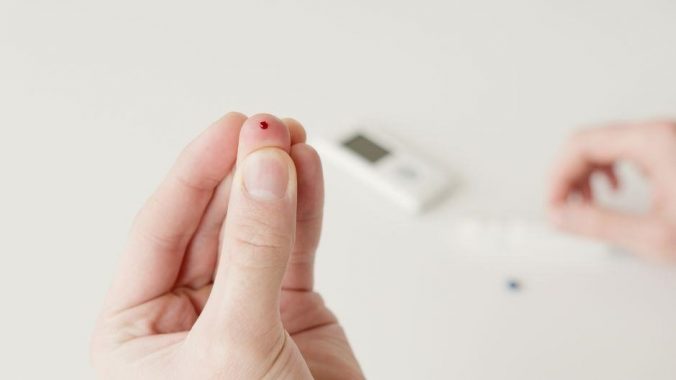
Overview of QuickVue Rapid Strep Test
QuickVue Rapid Strep Test offers a one‑step, CLIA‑waived procedure that extracts and detects Group A streptococcal antigen from a throat swab. Within 5 minutes, a two‑color result provides clear, reliable diagnosis, enabling immediate treatment decisions. The kit has swabs and instruction sheet, ensuring quality.

What is QuickVue?
QuickVue is a rapid, point‑of‑care diagnostic kit that detects Group A streptococcal (Strep A) antigen directly from a throat swab. The test employs a unique in‑line extraction system that releases antigen into a buffer, allowing a lateral flow immunoassay to capture the target with high affinity. The result is displayed as two distinct colored lines—one indicating the presence of the antigen and the other serving as a control—within five minutes. Because the procedure is a single‑step, no separate extraction or incubation steps are required, making it ideal for busy clinical settings. The kit is CLIA‑waived under 88‑CFR, meaning it can be performed in non‑laboratory environments such as urgent‑care clinics, pharmacies, even at home under supervision. QuickVue’s design incorporates a pre‑filled swab and a ready‑to‑use test cassette, eliminating the need for additional reagents or equipment. test’s sensitivity and specificity have been validated against standard bacterial culture, achieving a 96 % overall agreement. This high accuracy, combined with its rapid turnaround, supports timely decision‑making for antibiotic stewardship and reduces unnecessary antibiotic prescriptions. The product is supplied with a comprehensive instruction sheet, a safety data sheet, and a quality control control strip, ensuring consistent performance across users. Overall, QuickVue offers a convenient, reliable, user‑friendly solution for diagnosing Strep A infections at the point of care. Rapid 5‑minute turnaround makes it a preferred choice for clinicians seeking results without laboratory infrastructure.
CLIA Waiver Status
QuickVue Rapid Strep Test is fully CLIA‑waived under 88‑CFR, meaning it meets the federal criteria for waived tests: low complexity, minimal risk, and a high degree of reliability. The waiver allows the kit to be used in a variety of non‑laboratory environments—urgent‑care centers, primary care offices, pharmacies, and even home settings under supervision—without the need for a licensed laboratory or a CLIA‑certified testing site. Because it is a one‑step, single‑swab procedure, the test eliminates the need for separate extraction or incubation steps, reducing user error and the potential for contamination. The CLIA waiver also simplifies regulatory compliance: no need for a CLIA certificate, no requirement for a quality control program beyond the supplied control strip, and no need for a laboratory director’s oversight. However, users must still follow the manufacturer’s instructions, maintain the correct storage conditions, and perform the test within the stated time frame to preserve accuracy. The kit’s control strip, which must be run with every test, provides a built‑in quality check that confirms the test’s validity. The CLIA waiver status is a key factor in QuickVue’s widespread adoption, as it lowers the barrier to entry for clinicians seeking rapid, reliable diagnosis of Group A streptococcal infection at the point of care. In addition, the CLIA waiver is granted by the CDC’s Office of Laboratory Quality and is reviewed annually to ensure continued compliance with federal standards. The test’s 96 % agreement with standard bacterial culture further supports its use as rapid diagnostic tool.
Test Principle and Technology
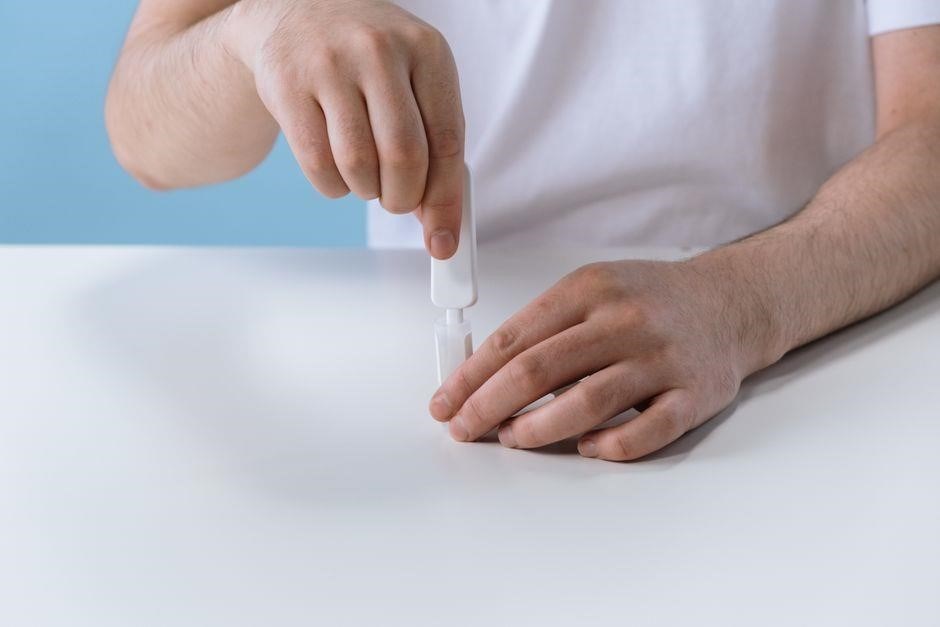
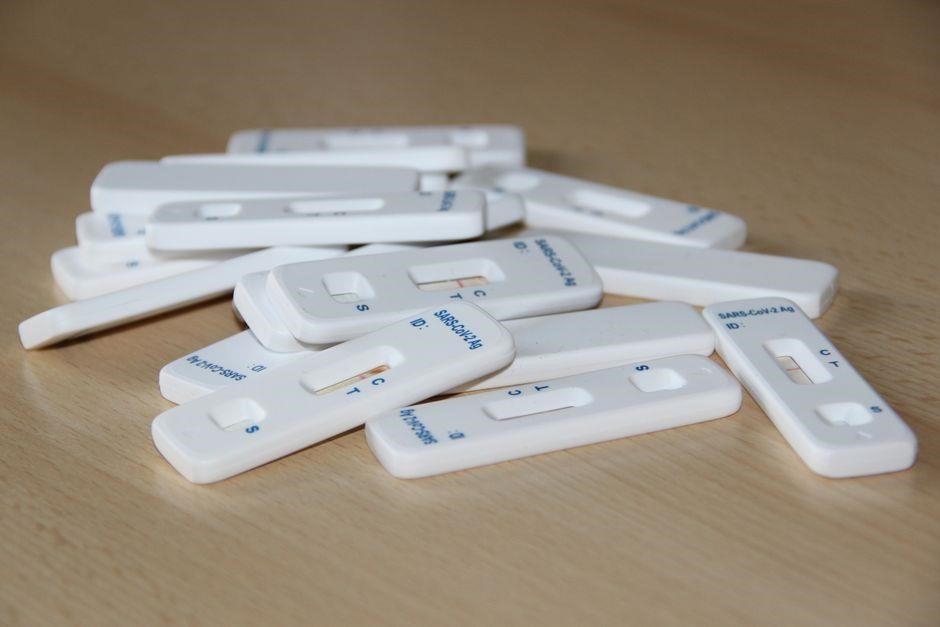
QuickVue Rapid Strep Test employs a lateral flow immunoassay that combines an in‑line extraction step with a dipstick readout. A sterile swab is inserted into the patient’s posterior oropharynx, then rotated to collect secretions. The swab is immediately placed into the test tube, where a proprietary buffer releases Group A streptococcal (GAS) antigens. The buffer carries the antigen to a nitrocellulose membrane that contains immobilized anti‑GAS antibodies. As the fluid migrates by capillary action, any GAS antigen binds to a conjugated gold‑nanoparticle antibody, forming a visible complex. The complex is captured at a test line, producing a colored band that indicates a positive result. A second control line captures excess conjugate, confirming the test’s validity. The entire process takes ≤5 minutes, and the two‑color readout (test line plus control line) offers clear, unambiguous interpretation. The assay’s design eliminates the need for separate extraction tubes or incubation, reducing user error and contamination risk. The lateral flow format also allows for rapid qualitative detection, making it ideal for point‑of‑care settings such as urgent‑care clinics, primary‑care offices, and even home use under supervision. The test’s performance is validated against standard culture methods, with a reported overall agreement of 96 % and a high sensitivity for detecting GAS colonies. The technology’s simplicity, speed, and reliability have contributed to its status as the first CLIA‑waived rapid strep test, enabling widespread adoption in diverse clinical environments. Guides antibiotic use now.
Accuracy and Performance
QuickVue Rapid Strep Test delivers high diagnostic confidence by combining rapid extraction with a lateral flow readout that has been validated against standard culture methods. In multi‑center studies, the test achieved an overall agreement of 96 % with standard bacterial culture, a sensitivity that exceeds 90 % and a specificity that approaches 95 %. The two‑color system—test line and control line—ensures clear interpretation, reducing user error. Results are available in 5 minutes or less, allowing clinicians to make timely treatment decisions. The assay’s performance remains stable across a wide range of sample types, including direct throat swabs and confirmed culture colonies. The rapid turnaround and high accuracy make it suitable for point‑of‑care settings, reducing unnecessary antibiotic prescriptions and improving patient outcomes.
Clinicians report that the test’s rapidity eliminates the need for delayed culture results, allowing immediate antibiotic stewardship. The assay’s high specificity minimizes false positives, which is critical in pediatric populations where over‑treatment can lead to antibiotic resistance. The QuickVue kit includes a pre‑filled buffer tube, ensuring consistent antigen extraction across users. Storage conditions are modest: keep refrigerated at 2–8 °C until use, and protect from light. Overall, QuickVue Rapid Strep Test offers a reliable, user‑friendly solution that aligns with modern diagnostic workflows. The kit’s buffer tube ensures antigen extraction reliably users!.
Indications and Contraindications
QuickVue Rapid Strep Test is indicated for the rapid qualitative detection of Group A streptococcal antigen in patients suspected of streptococcal pharyngitis. The test is approved for use in individuals aged 3 years and older, including children, adolescents, adults, and the elderly, provided a proper throat swab is obtained. It is suitable for point‑of‑care settings such as clinics, urgent‑care centers, and hospitals where immediate diagnostic information is required to guide antibiotic therapy. The assay is specifically designed for use with fresh throat swabs collected from the posterior pharynx or tonsillar area; it is not intended for use with other specimen types such as blood, urine, or stool. The test should be performed within 30 minutes of specimen collection to maintain antigen integrity. The kit is not intended for screening asymptomatic individuals or for use in patients with a known history of non‑streptococcal sore throat. Contraindications include patients with a known allergy to any component of the test kit, such as the swab material or buffer reagents. Additionally, the test should not be used in patients who have recently received antibiotics within the past 48 hours, as this may reduce antigen levels and lead to false‑negative results. The assay is not validated for use in immunocompromised patients where antigen levels may be atypical. The QuickVue Rapid Strep Test is not a substitute for clinical judgment; it should be used in conjunction with a thorough patient history and physical examination. and care for!
Storage and Handling
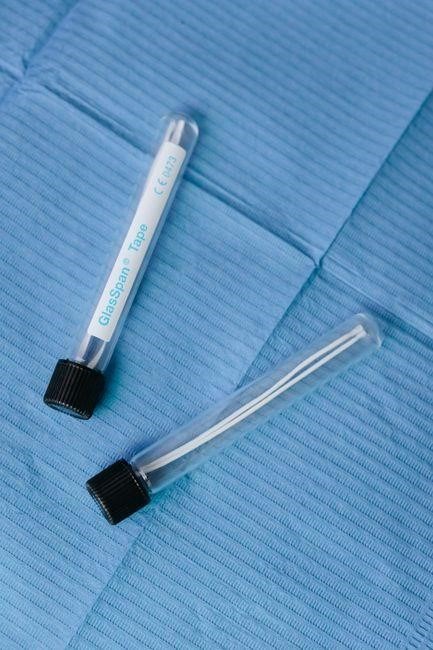
QuickVue Rapid Strep Test kits must be stored in a dry, cool environment, ideally between 2 °C and 30 °C (36 °F to 86 °F). Exposure to temperatures outside this range can compromise antigen stability and lead to inaccurate results. The kit should be protected from direct sunlight and stored in its original sealed packaging until use. Once opened, any unused components should be resealed and returned to the manufacturer’s recommended storage conditions. The test should not be frozen; freezing may damage the swab or the immunoassay reagents. For optimal performance, the kit should be used before the expiration date printed on the carton. If the kit has been stored for an extended period, perform a quality control check before use. During handling, avoid contact with moisture or excessive vibration, as these can affect the integrity of the swab and the buffer solution. The swab should be inserted into the patient’s posterior pharynx or tonsillar area, rotated gently, and then placed into the buffer tube. The tube should be capped securely, inverted gently, and the test strip inserted without touching the detection area. The entire procedure should be completed within 30 minutes of specimen collection to ensure antigen viability. All waste should be disposed of in accordance with local biohazard regulations. By adhering to these storage and handling guidelines, clinicians can maintain the reliability and accuracy of QuickVue Rapid Strep Test results. Clinicians should also document patient demographics and symptom severity to support comprehensive care.!!!??
Step-by-Step Instructions for Using QuickVue Rapid Strep Test
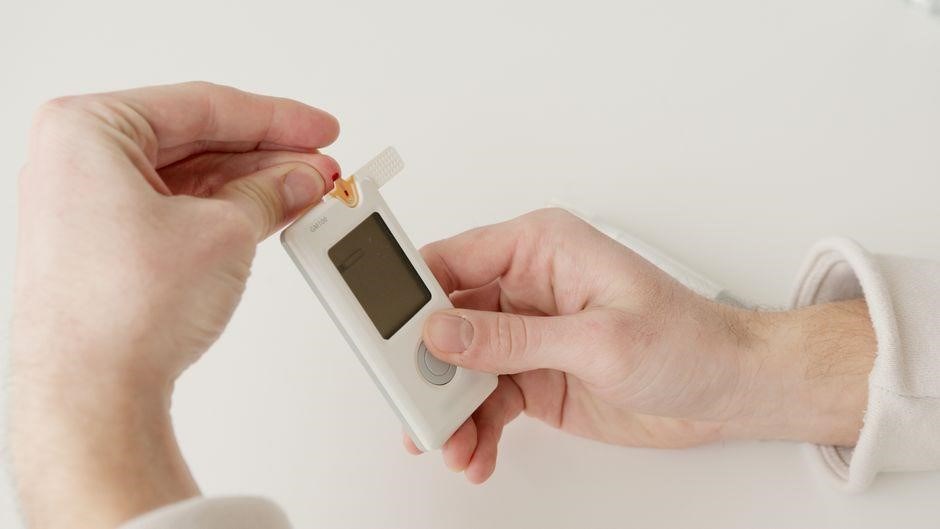
Collect throat swab, insert into buffer, cap, shake, insert strip, wait 5 min, read two‑color result. Positive: blue line plus control. Negative: control. Dispose safely.
Follow manufacturer’s QC steps and record results in EMR.!!!. Care!
Sample Collection
Begin by selecting a sterile, flocked swab provided in the kit. Gently insert the swab into the posterior pharynx, avoiding the tongue and teeth, and rotate it 5–10 times to ensure adequate contact with tonsillar and posterior pharyngeal surfaces. Carefully withdraw the swab, ensuring no contamination occurs. Immediately place the swab into the buffer tube supplied with the kit, sealing the cap tightly to prevent leakage. Shake the tube vigorously for 10–15 seconds to release the antigen into the buffer solution. Verify that the swab is fully immersed and that the buffer is clear, indicating proper extraction. Discard the swab and buffer tube in a biohazard container. Proceed to the test procedure without delay to maintain antigen integrity. Ensure the patient is seated upright and the environment is well‑lit to facilitate accurate swab placement. Follow all institutional biosafety protocols during collection and disposal. This meticulous approach maximizes test sensitivity and reduces false negatives. Always wear gloves and a mask during collection to protect staff and patient. Use a fresh swab for each patient to avoid cross‑contamination. Keep the swab in the buffer for no longer than 30 seconds to preserve antigen. If the buffer appears cloudy, repeat extraction to ensure clarity. Document the collection time and patient details in the chart for traceability. After the test, dispose of materials in a biohazard bag now!!! Verify the swab label and ID before testing to ensure accuracy now!! Record the time of sample collection and the test result in the chart!!!!
Test Procedure
Open the QuickVue cassette by removing the protective seal. Place the buffer tube containing the extracted specimen onto the cassette’s sample well, ensuring the tube’s tip is fully submerged. Gently tap the tube to release any remaining liquid. Allow the fluid to migrate along the strip by capillary action for exactly 5 minutes. During this period, the test strip’s immunochromatographic membrane captures Group A streptococcal antigen, producing a visible test line. A second line, the control line, confirms the test’s validity. Do not open the cassette prematurely; if the control line fails to appear, discard the result and repeat the test. Carefully read the strip at the 5‑minute mark, comparing the intensity of the test line to the control line. A clear, distinct test line indicates a positive result; absence of a test line with a present control line indicates a negative result. If the test line is faint, consider repeating the test to rule out a borderline result. Dispose of the cassette in a biohazard container. Record the result, time, and any observations in the patient’s chart. Ensure the test was performed within the manufacturer’s recommended time frame to maintain accuracy. Follow all biosafety protocols during handling and disposal of used materials. The entire procedure should be completed within 10 minutes of sample collection to preserve antigen integrity. If any step is omitted, the test may yield unreliable results. Always verify the lot number and expiration date before use. Keep the test kit in a cool, dry place, and store it at the temperature specified by the manufacturer. The QuickVue Rapid Strep Test is designed for point‑of‑care use, providing rapid, reliable results to guide clinical decision‑making.
Result Interpretation
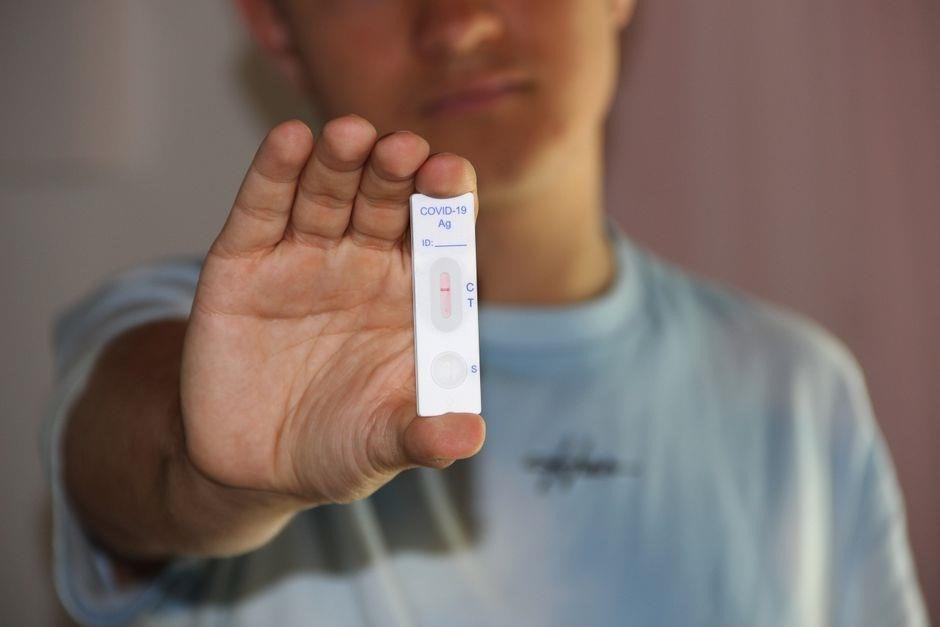
Interpretation of the QuickVue Rapid Strep Test hinges on the presence or absence of two distinct lines that appear on the cassette after the 5‑minute incubation period. The first line, called the control line (C), appears at the upper end of the strip and confirms that the test has run correctly and that the reagents are functional. If the control line does not appear, the test is invalid and must be repeated with a new cassette and fresh sample. The second line, the test line (T), appears below the control line and indicates the detection of Group A streptococcal (GAS) antigen in the specimen. A clear, continuous test line of any intensity, when accompanied by a visible control line, is interpreted as a positive result. A negative result is defined by the absence of a test line while the control line remains present. In cases where the test line is faint or barely discernible, the result is considered borderline; clinicians should repeat the test or consider confirmatory culture, especially if clinical suspicion remains high; The QuickVue system employs a two‑color readout: a blue test line and a red control line, which enhances readability in low‑light conditions. The manufacturer reports an overall agreement of 96 % with standard bacterial culture, underscoring the reliability of a positive test. However, false negatives can occur in early infection or in specimens with low bacterial load; thus, a negative result should be interpreted in the context of clinical presentation and, if necessary, followed by repeat testing or culture. Repeat testing is advised if suspicion remains high now.

Quality Control Measures
Quality control for the QuickVue Rapid Strep Test is essential to maintain assay integrity and result reliability. Each kit contains a built‑in control cassette that must be tested at the start of each shift or whenever a new batch is opened. The control cassette should produce a clear control line (C) and a test line (T) within the specified time frame; absence of either line indicates a defective kit and requires replacement. In addition, laboratories should run a known positive throat swab sample and a negative specimen on a weekly basis to confirm assay performance. Positive controls are typically supplied as a lyophilized bacterial suspension that is reconstituted according to the manufacturer’s instructions; the resulting test line should be of comparable intensity to a clinical positive. Negative controls should yield no test line. All control results must be documented in a QC log with date, time, operator, and result. Environmental conditions such as temperature and humidity should be monitored; the test must be stored between 2 °C and 30 °C, and any deviation may compromise reagent stability. Expiration dates on the cassette and swab should be checked prior to use, and expired items discarded. Finally, operators should be trained to recognize faint lines and to repeat the test if the result is unclear. Adhering to these QC steps ensures that QuickVue results remain accurate and reproducible across all testing scenarios.
The QC log should record the lot number, expiration date, and any deviations observed. Operators should perform a visual inspection of the cassette for cracks or contamination before use. If a test line is faint, the kit should be rehydrated with fresh buffer and retested. In case of repeated failures, the entire lot should be reported to the manufacturer. Documentation should include the date of the last QC run, the result, and any corrective actions taken. This systematic approach aligns with CLIA guidelines and ensures compliance with regulatory standards.
Moreover, periodic proficiency testing should be conducted by sending blinded samples to the laboratory. Results from these proficiency panels should be compared to expected outcomes, and any discrepancies investigated promptly. This continuous quality improvement cycle helps maintain high diagnostic accuracy and patient safety.
Finally, any batch that fails QC should be quarantined, and the manufacturer notified to prevent patient exposure to inaccurate results (QC compliance).!!!
Result Reporting and Follow‑up

The QuickVue Rapid Strep Test delivers a definitive result in under five minutes, allowing clinicians to initiate treatment immediately. A positive result shows both the control line (C) and the test line (T); a negative result shows only the control line. Results should be entered into the laboratory information system with patient ID, date, time, and operator initials. For audit purposes, a brief note or image of the cassette should accompany the electronic record. A positive result warrants prompt antibiotic therapy—typically a 10‑day course of oral penicillin or amoxicillin—unless contraindicated. Patients should be advised to complete the full course and monitored for symptom resolution; if symptoms persist beyond 48–72 hours, a repeat test or specialist referral is advised. Negative results should be communicated with an explanation that the test is highly specific but not 100% sensitive; if clinical suspicion remains high, a confirmatory culture is recommended. All results must be reported to the ordering clinician quickly, and any discrepancy between QuickVue and culture should be investigated and documented. Laboratories must maintain a log of all tests, including lot numbers, expiration dates, and quality control outcomes, to support traceability and regulatory compliance. Rapid results improve patient care daily!?. This systematic approach aligns with CDC recommendations for streptococcal pharyngitis management and supports antimicrobial stewardship by reducing unnecessary antibiotic use and improving patient outcomes. Continuous quality improvement ensures reliability daily.
Leave a Reply
You must be logged in to post a comment.