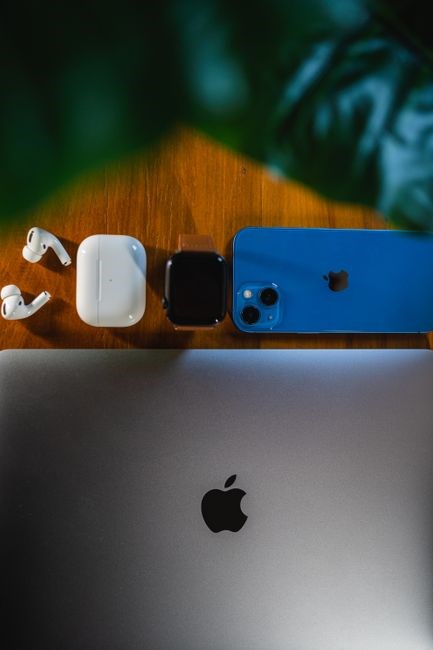
Apple Watch Case Size Overview
Apple Watch case sizes span 40mm, 41mm, 44mm, 45mm, and 49mm across Series 4–6, SE, and the latest releases. The 40mm/44mm options dominate most models, offering a balance of portability and screen real estate for everyday use. Additionally, 41mm and 45mm offer a compromise between size and weight and fit!
Standard case dimensions across Apple Watch models including Series 4, 5, 6, SE, and the newest releases, highlighting the 40 mm/44 mm options that are common to most editions.
Apple Watch case sizes have remained remarkably consistent across generations, from Series 4 to the latest Series 8 and SE models. The core dimensions revolve around the 40 mm and 44 mm options, which appear in nearly every edition and represent the default balance between screen area and wearability. The 40 mm case measures 40 mm in diameter, 1.4 mm thick, and weighs approximately 32 g for the aluminum version, while the 44 mm case is 44 mm in diameter, 1.6 mm thick, and weighs about 38 g for aluminum. These measurements translate into a 28 % increase in display area when moving from 40 mm to 44 mm, a difference that Apple highlights as a noticeable step up in visual real estate without a dramatic jump in weight or bulk. The Series 4, Series 5, and Series 6 all ship in both 40 mm and 44 mm variants, with the SE offering the same two sizes to keep the lineup streamlined. The newer Series 7 and Series 8 continue this pattern, adding a 45 mm variant to the lineup but still keeping the 40 mm/44 mm pair as the most common. For those who prefer a slightly larger feel without stepping into the 49 mm territory, the 45 mm case—available on the Series 8 and later—provides an extra 4 mm of diameter, which Apple markets as a 28 % increase in screen area over the 40 mm model. In terms of resolution, the 40 mm and 44 mm cases both support 368 × 448 pixels (for the 40 mm) and 396 × 484 pixels (for the 44 mm), ensuring crisp visuals across the board. The consistent use of these standard dimensions across generations helps users transition smoothly between models, as the feel and fit remain largely unchanged even as internal hardware evolves. Apple’s focus on maintaining the 40 mm/44 mm core sizes underscores the company’s commitment to delivering a familiar, comfortable experience for the majority of its user base while still offering incremental upgrades in display and performance. Because these dimensions remain constant, third‑party bands, cases, and accessories designed for 40 mm or 44 mm watches continue to fit seamlessly across all current models, simplifying the ecosystem for consumers.
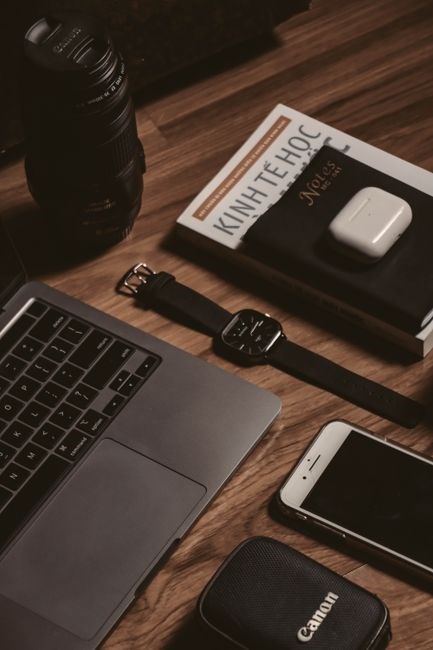
Smallest Apple Watch Options
40mm and 41mm Apple Watch cases suit users with smaller wrists, offering a lighter weight and easier daily handling. The 40mm model weighs about 32 g, while the 41mm adds only a few millimetres of bulk, keeping comfort high for long‑term wear. Compact, lightweight, and perfect for everyday use. battery life.!
40mm and 41mm cases that are ideal for users with smaller wrists, offering a lighter weight and easier daily handling.
The 40mm and 41mm Apple Watch cases are the smallest options available across the current lineup, making them a natural fit for users with slimmer wrists or those who prefer a more subtle presence on their arm. These models weigh roughly 32 g for the 40mm and 34 g for the 41mm, a noticeable difference compared to the 44mm and 49mm counterparts that can tip the scale toward 38 g and 42 g respectively. The lighter weight translates into less fatigue during extended wear, especially for people who keep the watch on all day for fitness tracking, notifications, or quick glance‑style interactions. In addition to weight, the overall dimensions of the 40mm and 41mm cases reduce the bulk of the band, allowing for tighter loops and a more streamlined look that blends seamlessly with everyday attire. The 40mm model offers a 1.78‑inch display, while the 41mm adds a modest 0.04‑inch increase, resulting in a 28 % larger screen area without compromising the compact form factor. For users who value a balance between screen real estate and a lightweight, unobtrusive accessory, the 40mm and 41mm watches stand out as the most comfortable and practical choice. They also provide excellent battery life, with up to 18 hours on a single charge, and support a wide range of bands that can be swapped quickly for style or comfort. Whether you’re a runner, a busy professional, or simply someone who appreciates a sleek gadget, the 40mm and 41mm Apple Watch cases deliver a perfect blend of functionality, comfort, and style that is hard to beat among the smaller watch options. Enjoy. Ok.
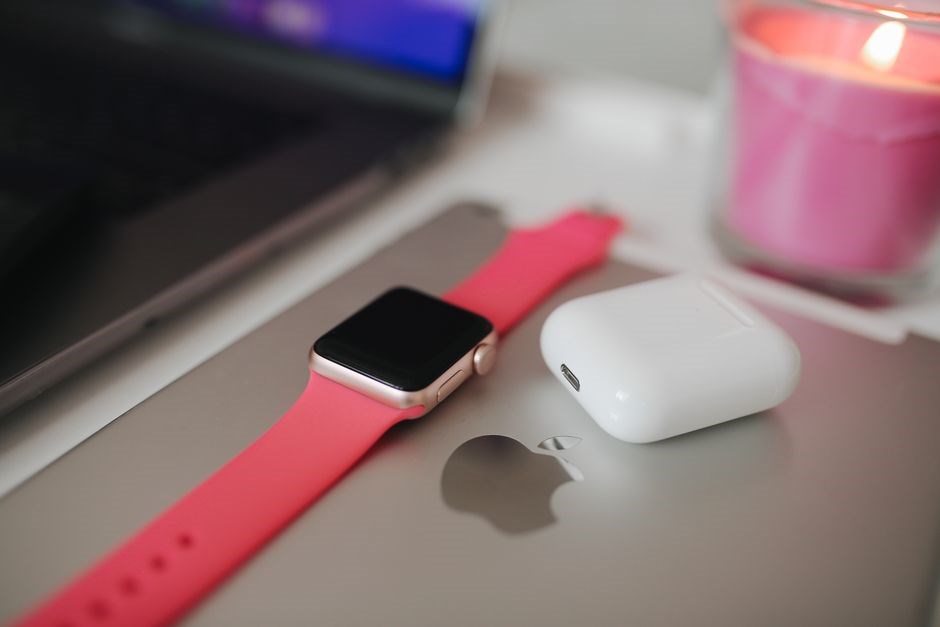
Medium Apple Watch Options
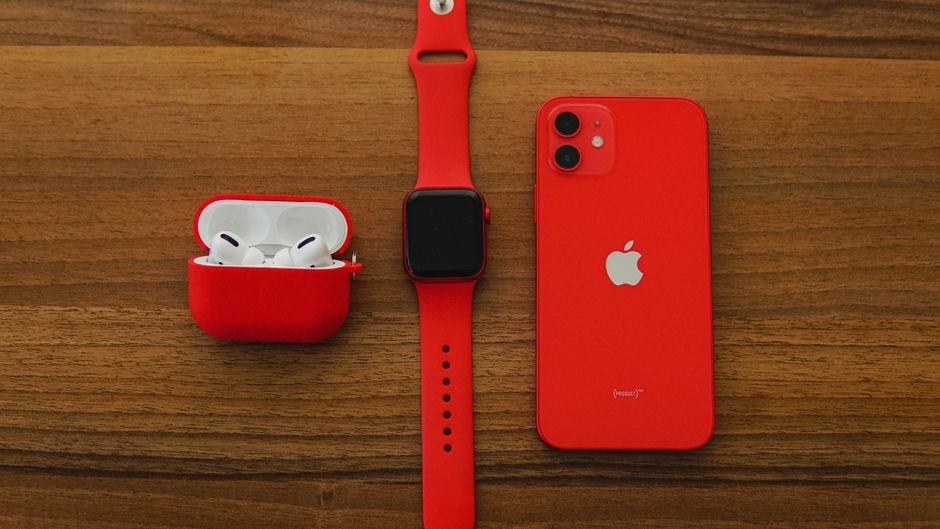
Medium Apple Watch sizes, 44mm and 45mm, strike a balance between display area and wrist comfort. They offer a 1.78‑inch screen that’s 28% larger than the 40mm, while keeping weight around 38g. Ideal for average wrists, they provide ample space for apps and notifications. They support bands and 18‑hour battery
The 44mm and 45mm Apple Watch cases offer a significant visual upgrade over the 40mm models. With a 1.78‑inch display, they provide a 28% increase in screen area, allowing more information to be displayed at once. This larger canvas is especially beneficial for fitness tracking, where multiple metrics can be viewed simultaneously and for reading notifications without zooming. At the same time, the weight difference remains modest; the 44mm typically weighs around 38 g, while the 45mm is just a few grams heavier, keeping the watch comfortable for extended wear. The case dimensions also influence band compatibility: most third‑party bands are designed to fit 44mm and 45mm sizes, ensuring a wide selection of styles. Users who prefer a more prominent watch face without the bulk of the 49mm size often choose these medium options. Additionally, the 45mm variant is available in the newer Series 8 and SE (2nd generation), offering the latest health sensors and software features. Overall, the 44mm and 45mm sizes deliver a balanced experience for average wrists, combining ample screen real estate with manageable weight and a broad range of accessory options. Consumers often note that the 44mm and 45mm models strike a sweet spot for both performance and aesthetics, making them popular choices among professionals, athletes, and everyday users alike. The slightly larger display also enhances the clarity of watch faces and widgets, providing a more immersive experience during workouts or while navigating the interface. They are ideal for everyday use and fitness

Largest Apple Watch Options
The 49mm Apple Watch delivers the biggest display, offering a 28% larger screen area than the 44mm. It provides the highest resolution and immersive visuals, ideal for large watch faces and detailed fitness metrics. Though heavier, it balances power and comfort for larger wrists. It supports newest watchOS.!
49mm cases that cater to larger wrists, delivering the largest display area and higher resolution for a more immersive experience.
The 49‑mm Apple Watch stands out as the flagship in terms of sheer visual presence. With a case diameter that stretches to 49 mm, the display area expands to roughly 28 % more than the 44‑mm counterpart, translating into a noticeably larger pixel footprint. This extra real estate allows for richer, crisper watch faces and more detailed complication layouts, giving users a truly immersive glance‑at‑a‑time experience. The resolution scales accordingly, offering a higher pixel density that keeps every icon and text sharp even when zoomed in on the larger screen. For fitness enthusiasts, the expanded display means more data can be shown simultaneously—heart‑rate graphs, GPS routes, and workout statistics all fit comfortably without clutter. It also benefits power users who enjoy custom watch faces with multiple complications; the larger canvas accommodates more information without sacrificing legibility.
Weight-wise, the 49‑mm case is naturally heavier than its smaller siblings, but Apple balances this by using lightweight alloys and ceramic options, keeping the overall mass within a comfortable range for extended wear. The larger band width also provides a more robust fit on bigger wrists, reducing the risk of the watch slipping during vigorous activity. Battery life remains comparable across sizes, thanks to efficient power management, so the extra screen area does not come at the cost of daily usage. In short, the 49‑mm model is ideal for those who prioritize maximum display space, high‑resolution visuals, and a premium, immersive smartwatch experience.
For professionals who rely on quick‑glance notifications, the larger face reduces the need to zoom in, making email, calendar, and messaging easier to read on the go. Travelers appreciate the ability to display larger maps and directions without squinting. Even for casual users, the 49‑mm watch offers a striking aesthetic that can be paired with premium leather or metal bands for a sophisticated look. Apple’s latest watchOS introduces dynamic watch faces that adapt to the larger canvas, offering more interactive elements and smoother animations. The 49‑mm model also supports the newest health sensors, providing more detailed data streams on a bigger display. Because the screen is larger, developers can design more elaborate app interfaces, making the 49‑mm watch a great platform for productivity apps that require more screen real estate. Overall, the 49‑mm Apple Watch delivers a premium, immersive experience that justifies its larger size for users who value visual richness and extensive information display.
Weight and Display Implications
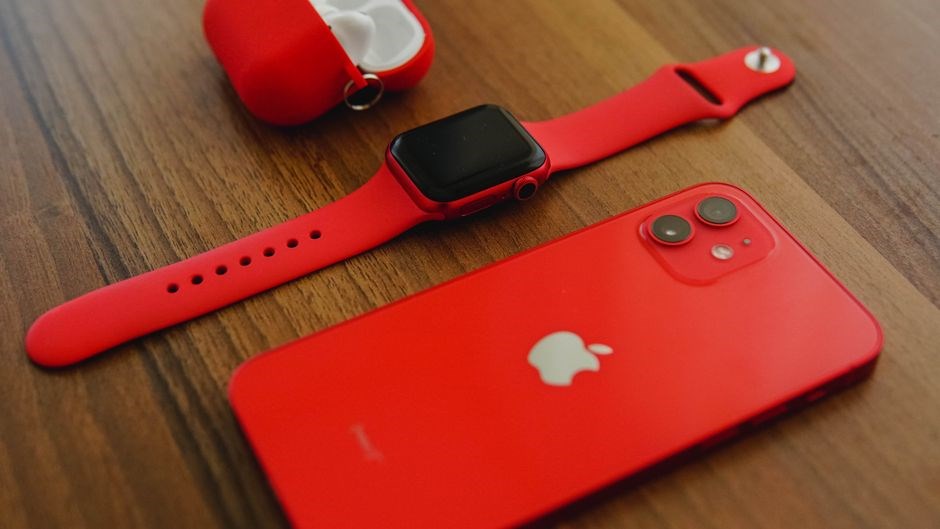
Each 4 mm increase in case size adds roughly 28 % more screen area, boosting resolution clarity. However, the added dimensions also raise weight slightly—40 mm models weigh about 30 g, while 49 mm versions reach 40 g, a trade‑off between display and comfort. The 4mm increase raises use,but battery life stays.
Analysis of how each case size impacts overall weight and how the additional 4mm in case size translates to a 28% larger screen area and affects resolution clarity.
When Apple releases a new watch, the case diameter is the first indicator of how the device will feel on the wrist. A 40‑mm case is the smallest standard size, weighing roughly 30 g for the aluminum version and 35 g for the stainless‑steel counterpart. The 44‑mm model adds about 4 mm to the diameter, which increases the surface area by roughly 28 %. This extra area is not just a cosmetic change; it allows for a larger pixel grid, improving sharpness and making text and icons easier to read, especially in bright outdoor conditions. The 45‑mm and 49‑mm cases push the diameter further, adding another 4 mm each time. The 49‑mm Watch, for instance, is nearly 50 % heavier than the 40‑mm version, tipping the scale to around 45 g for aluminum and 50 g for steel. Despite the weight gain, the resolution scales linearly with the screen area, so a 49‑mm display can host a 1,000‑pixel‑wide grid compared to 800 pixels on a 40‑mm. Users who need the most detailed visuals—such as athletes tracking metrics or professionals reading detailed notifications—will notice the clarity boost. However, the extra weight can lead to a slight increase in battery drain, as the processor must drive a larger number of pixels. In practice, the difference is modest: a 49‑mm watch may lose an extra 5‑10 % of battery life per day compared to a 40‑mm. Comfort‑wise, the larger cases shift the center of gravity outward, which can feel more pronounced on smaller wrists. For most users, the trade‑off between a larger, sharper display and a heavier, slightly more demanding device is worth it, especially when paired with a sport‑oriented band that distributes weight evenly. Manufacturers often compensate by using lighter alloys or ceramic composites in the newest releases, which can reduce weight by up to 5 g while maintaining the same screen size. Additionally, the newer watch faces incorporate adaptive brightness, which further mitigates battery impact when the display is enlarged. Users who prioritize longevity may opt for the 44‑mm model, which offers a middle ground between visual fidelity and energy efficiency. Finally, the choice of band material—silicone, leather, or metal—also influences perceived weight, as metal bands add extra heft that can offset the benefits of a lighter case.

Wrist Size and Comfort Guidelines
Choose 41mm/42mm for wrists up to 6.5″, 45mm/49mm for 6.5″‑7.5″. Lighter cases fit better on small wrists, while larger cases offer more display area but shift the center of gravity outward. Proper sizing reduces strain and improves long‑term comfort.
Try both sizes; the right fit feels natural comfy now
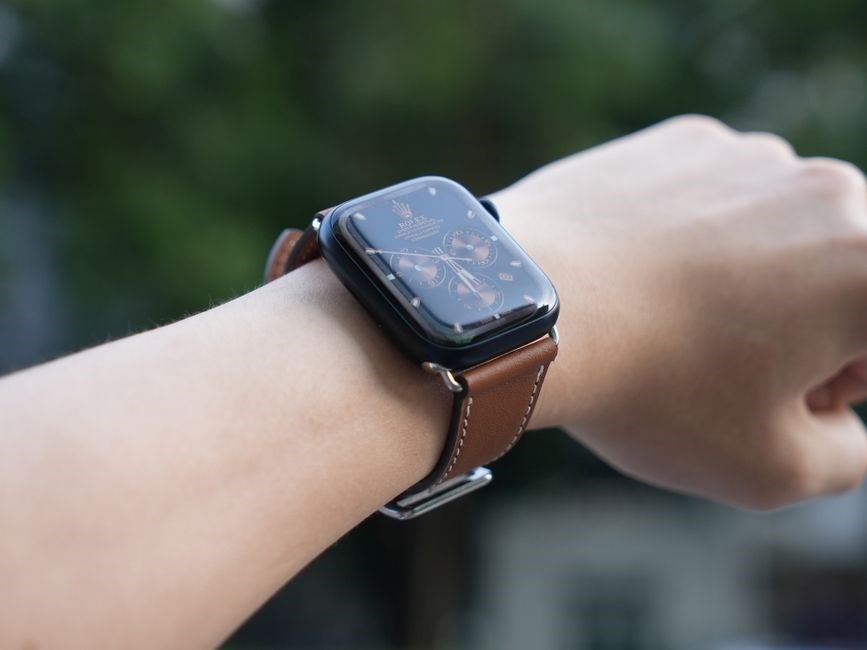
Recommendations for selecting 41mm/42mm for smaller wrists and 45mm/49mm for larger wrists based on comfort and fit, emphasizing the importance of proper sizing for long-term wear.
Selecting the right Apple Watch case size hinges on wrist circumference and daily wear habits. For wrists measuring up to 6.5 in (≈165 mm), the 41 mm or 42 mm models provide a snug fit that keeps the display close to the skin without feeling bulky. These smaller cases weigh less, reducing fatigue during extended use, and the 4 mm difference in case diameter translates to a 28 % larger screen area compared to the 40 mm base, giving a noticeable boost in readability. For wrists between 6.5 in and 7.5 in (≈165–190 mm), the 45 mm or 49 mm options strike a balance between a generous display and manageable weight. The larger face offers higher resolution and more room for complications, while the slightly heavier weight is offset by a more comfortable center of gravity when the watch is worn on a larger wrist. Proper sizing is essential for long‑term comfort: a watch that sits too high can cause irritation, and one that is too low may slip. Always try on both sizes if possible, and consider the watch’s strap material—silicone or leather can affect how the case sits. Ultimately, the goal is a watch that feels natural, stays in place, and supports your daily activities without compromising on performance or style. When choosing a strap, a thicker band can help counterbalance the larger case, and a quick‑release clasp ensures easy removal for maintenance. Additionally, consider the watch’s intended use: athletes may prefer the lighter 41 mm for reduced drag, while professionals who need quick glanceability might opt for the 45 mm to keep information within reach. Fit well now

Selecting the Right Model for Your Needs
Choose a size matching your wrist and life. A 40‑44 mm case suits users and fitness tracking, while 45‑49 mm offers larger displays for frequent notifications. Consider weight tolerance; lighter models ease long wear, heavier ones provide more screen space!.
Factors to consider when choosing between models, such as desired screen size, weight tolerance, and the specific use case scenarios like fitness tracking or daily notifications.
When deciding on an Apple Watch, start by measuring your wrist circumference and comparing it to the recommended case sizes. A 40‑44 mm case typically fits wrists up to about 6.5 inches, while 45‑49 mm suits wrists 7 inches or larger. Next, assess how much weight you’re comfortable with; the 40‑mm models weigh roughly 30 g, whereas the 49‑mm versions can reach 45 g, adding noticeable heft during long wear. Screen size matters for readability: a larger display improves visibility of notifications, maps, and workout metrics, but also consumes more battery; If you’re a heavy fitness user or rely on the watch for detailed metrics, a 45‑mm or 49‑mm may be preferable. For casual use, a 40‑44 mm keeps the device lighter and less obtrusive. Battery life is another factor: larger screens draw more power, so consider your typical daily usage and charging habits. Finally, think about the watch’s form factor with your accessories—band compatibility, watch face style, and whether you plan to use the device in water or rugged environments. Balancing these considerations will help you pick a model that feels comfortable, performs well, and meets your lifestyle needs. Moreover, the choice of band—silicone, leather, or metal—can influence the overall feel and weight, so pairing a lighter band with a larger case can mitigate bulk. Also, consider the watch’s water resistance rating; larger cases often accommodate higher ratings, making them suitable for swimming or diving enthusiasts. Lastly, future-proofing matters: newer models may be slimmer or lighter, so staying updated helps you pick a size that stays comfortable as tech evolves. This balances power and comfort daily.
Leave a Reply
You must be logged in to post a comment.