
World War I Worksheet Answer Key PDF: A Comprehensive Plan
Comprehensive PDF resources, including worksheets and unit tests with answer keys, are readily available online for educators focusing on World War I history.
pdfFiller offers editable and fillable World War I worksheet answer key PDFs, streamlining assessment preparation and student engagement with interactive features.
Understanding the Demand for WWI Worksheets
The demand for World War I worksheets, particularly in PDF format with accompanying answer keys, stems from a crucial need within education to effectively convey the complexities of this pivotal historical event. Educators require accessible, ready-to-use materials to supplement their lessons and assess student comprehension.
These worksheets cater to diverse learning styles, offering activities like reading comprehension questions, matching exercises focused on key figures and events, and timeline sequencing to reinforce historical understanding. The availability of answer keys is paramount, saving teachers valuable time and ensuring accurate evaluation of student work.
Furthermore, the PDF format enhances accessibility, allowing for easy distribution, printing, and digital integration into learning management systems. Resources like those found on teaching websites provide a multimedia approach, enriching the learning experience beyond traditional textbooks. The focus remains on providing students with a solid grasp of WWI’s causes, consequences, and lasting impact.
PDF Format and Accessibility
The prevalence of World War I worksheets in PDF format isn’t accidental; it’s driven by significant advantages in accessibility and usability. PDFs ensure consistent formatting across various devices and operating systems, eliminating potential display issues encountered with other file types.
This consistency is vital for both teachers and students. Educators can confidently distribute materials knowing they’ll appear as intended, while students can reliably access and complete assignments regardless of their technology. PDFs are also easily printable, catering to traditional learning preferences.
Moreover, platforms like pdfFiller specifically address accessibility by offering fillable PDF worksheets. These allow students to complete assignments directly on their devices, enhancing convenience and promoting digital literacy. The ease of sharing and storing PDFs further contributes to their widespread adoption in educational settings, making WWI resources readily available.
Central Powers Focus in Worksheets
Many World War I worksheets dedicate significant attention to the Central Powers – Germany, Austria-Hungary, the Ottoman Empire, and Bulgaria – examining their roles, motivations, and impact on the conflict. These resources often delve into the complex web of alliances that propelled Europe into war, highlighting the Central Powers’ strategic objectives and military campaigns.
Worksheets frequently pose questions about key figures within the Central Powers, such as Kaiser Wilhelm II, and explore the internal pressures and societal factors that influenced their decisions. Analyzing the strengths and weaknesses of the Central Powers’ military strategies is a common exercise.
Furthermore, some worksheets explore the consequences faced by these nations following their defeat, including territorial losses, economic hardship, and political upheaval. Understanding the Central Powers’ perspective is crucial for a nuanced comprehension of World War I, and worksheets effectively facilitate this exploration.
World War I: Famine & Impact – Worksheet Content
Worksheets addressing World War I often incorporate the devastating impact of famine, particularly in regions directly affected by the conflict and its disruptions to agricultural production and supply chains. These resources explore how wartime blockades, resource allocation for military needs, and displacement of populations led to widespread food shortages.
Content frequently focuses on the Armenian Genocide, intrinsically linked to wartime conditions and food insecurity, prompting students to analyze primary and secondary sources related to this tragic event. Worksheets may also examine famine conditions in occupied territories, like parts of Belgium and Poland.
Questions often assess students’ understanding of the long-term consequences of wartime famine, including demographic shifts, social unrest, and the spread of disease. Analyzing the ethical implications of wartime policies that contributed to famine is a common analytical task.
Key Concepts of World War I – Worksheet Breakdown
Worksheets centered on key World War I concepts typically dedicate sections to understanding the complex web of alliances, the rise of nationalism, and the impact of imperialism as contributing factors to the war’s outbreak. Resources often break down the Schlieffen Plan and its failure, alongside the evolution of trench warfare.
Content includes questions assessing comprehension of new military technologies – machine guns, poison gas, tanks – and their influence on battlefield tactics and the scale of casualties. Students analyze the concept of total war and its implications for civilian populations.
Breakdowns frequently feature sections on the Treaty of Versailles, its terms, and its long-term consequences, prompting critical thinking about the seeds of future conflict. Worksheets often include 6 pages dedicated to these core themes.
Identifying Core Themes & Questions
Effective World War I worksheets prioritize identifying core themes like militarism, alliances, imperialism, and nationalism – often framed as the “MAIN” causes. Questions challenge students to analyze primary sources, evaluating perspectives and biases present in wartime propaganda or soldiers’ letters.
Worksheets frequently pose questions about the shifting balance of power in Europe, the role of public opinion, and the ethical dilemmas posed by new technologies. They encourage students to consider the human cost of war, moving beyond statistics to explore individual experiences.
Critical thinking is fostered through prompts asking students to evaluate the Treaty of Versailles’ fairness and predict its potential consequences. Key Concepts of WWI worksheets, spanning 6 pages, often center around these analytical questions.
Analyzing Primary Source Integration
High-quality World War I worksheets effectively integrate primary sources – excerpts from treaties, letters from soldiers, political cartoons, and propaganda posters – to enhance student understanding; Questions guide students to analyze these sources for bias, context, and intended audience.
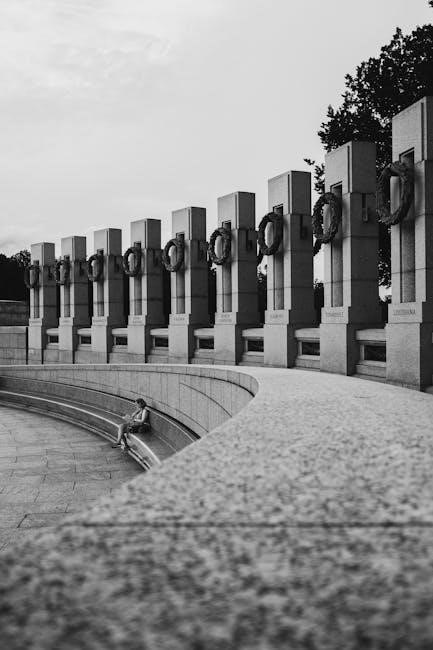
Worksheet activities might ask students to compare and contrast different perspectives on the same event, using primary source evidence to support their claims. Analyzing wartime propaganda, for example, encourages critical evaluation of persuasive techniques and underlying motivations.
Answer keys for these exercises should provide not just correct answers, but also explanations of how to interpret primary sources, modeling analytical skills. 83-page resources often include extensive primary source collections and detailed analysis guides.
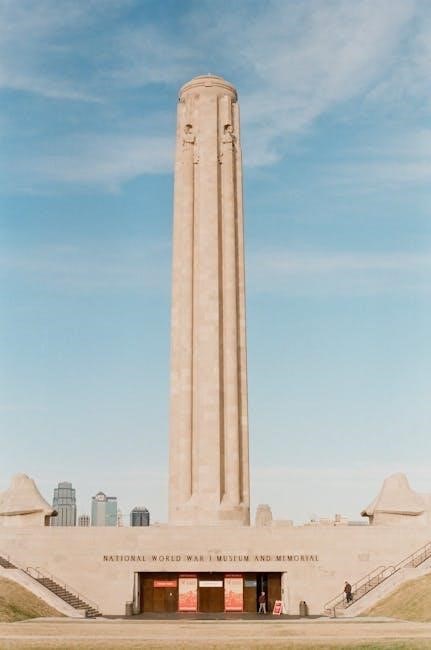
Geography of WWI – Worksheet Exercises
Effective World War I worksheets dedicate sections to geographical understanding, recognizing its crucial role in the conflict’s unfolding. Exercises commonly involve map labeling – identifying the Allied and Central Powers, key battlefronts (Western, Eastern, Italian), and significant territories.
Students might analyze maps depicting pre-war colonial possessions to understand imperial rivalries fueling tensions. Worksheets could also explore the strategic importance of geographical features like the English Channel, the Balkans, and the Dardanelles.
Answer keys should provide accurate map solutions and explanations of how geographical factors influenced military strategies and political decisions. 3-page geography notes, often accompanying larger worksheet sets, offer foundational knowledge for these exercises, ensuring comprehension.
Britain-Germany Rivalry Before WWI – Worksheet Analysis
Worksheets examining the Britain-Germany rivalry prior to 1914 frequently focus on the escalating naval arms race and intense colonial competition. 34-page resources delve into Germany’s ambitious naval expansion – the Flottenprogramm – and Britain’s determined response to maintain naval supremacy.
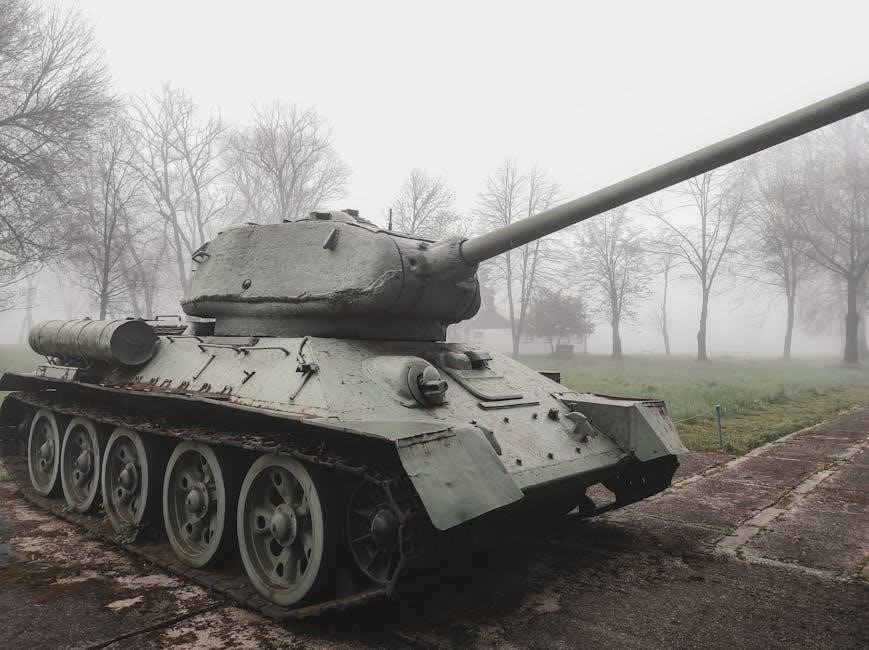
Analysis questions prompt students to assess how this naval build-up fostered mistrust and heightened tensions. Colonial disputes, particularly in Africa, are also explored, highlighting areas of conflict and diplomatic maneuvering.
Answer keys should detail the key ships involved, the strategic rationale behind naval policies, and the impact of colonial rivalries on Anglo-German relations. Worksheets often include primary source excerpts illustrating the prevailing attitudes and anxieties of the period, requiring critical thinking skills.
Naval Arms Race & Colonial Competition
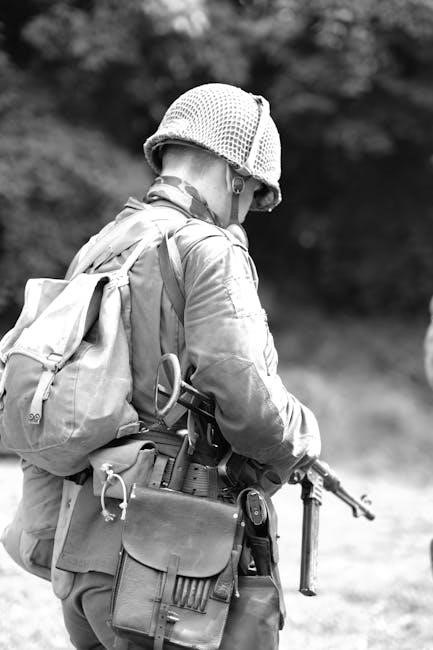
Worksheet answer keys pertaining to the naval arms race detail Germany’s challenge to British maritime dominance, initiated by the Flottenprogramm in 1898. Key questions assess student understanding of the Dreadnought revolution and its impact on escalating tensions.
Colonial competition, particularly in Africa – focusing on Morocco and East Africa – is analyzed through map exercises and source analysis. Answer keys should identify specific colonial claims and the diplomatic crises they triggered.
Worksheets often include data charts comparing British and German naval strength, prompting students to interpret statistical trends. Analysis focuses on how these rivalries contributed to a climate of fear and suspicion, ultimately fueling the path to war. Resources emphasize the interconnectedness of naval and colonial ambitions.
Diplomatic Tensions & Alliances
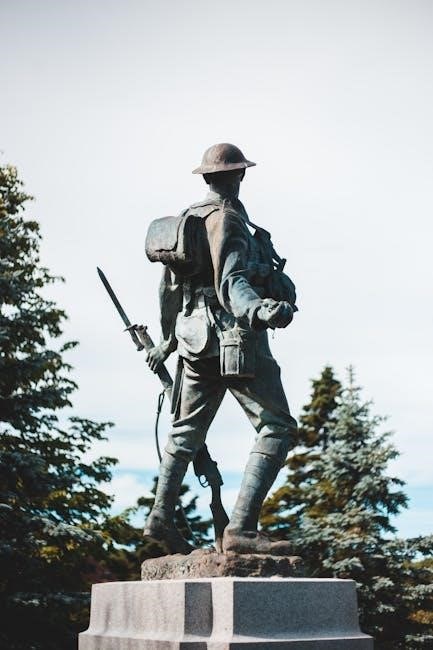
Worksheet answer keys covering diplomatic tensions focus on the complex web of alliances – the Triple Alliance (Germany, Austria-Hungary, Italy) and the Triple Entente (France, Russia, Great Britain). Key questions assess understanding of treaty obligations and their implications for escalating conflicts.
Analysis centers on the Moroccan Crises (1905 & 1911) and the Balkan Wars (1912-1913) as flashpoints revealing the fragility of peace. Worksheets often include excerpts from diplomatic correspondence, requiring students to identify underlying motives and miscalculations.
Answer keys should highlight the role of secret treaties and the system of mobilization plans in accelerating the crisis of 1914. Resources emphasize the breakdown of diplomatic efforts in the July Crisis and the chain reaction of declarations of war.
WWI Unit Tests & Answer Keys – Types & Features
WWI unit tests, accompanied by detailed answer keys, come in various formats: multiple-choice, true/false, short answer, and essay questions. PDF versions are widely available, facilitating easy distribution and printing for classroom use.
Comprehensive tests assess student understanding of causes, key events, major figures, and the war’s consequences. Answer keys provide not just correct answers, but also explanations and historical context, aiding student learning.
Resources like those found on teaching websites offer differentiated tests to cater to diverse learning needs. Features include varying difficulty levels and opportunities for students to demonstrate analytical skills. pdfFiller supports easy editing and annotation of these tests and keys.
Timeline Worksheets & Historical Sequencing
Timeline worksheets are crucial for understanding the chronological order of WWI events, from the assassination of Archduke Franz Ferdinand to the Treaty of Versailles. PDF formats allow for easy printing and completion, often requiring students to place events in the correct sequence.
Historical sequencing exercises enhance comprehension of cause-and-effect relationships. These worksheets frequently include key dates and events, challenging students to reconstruct the war’s progression. Answer keys verify accuracy and provide a reference for learning;
Resources for history teachers offer multimedia timelines alongside printable worksheets. Interactive timelines, sometimes found online, complement traditional worksheets, offering a dynamic learning experience. pdfFiller can be used to customize and distribute these timeline activities.
Reading Comprehension Questions – Common Themes
Reading comprehension questions accompanying WWI worksheets commonly focus on themes like the causes of the war, trench warfare, the impact of new technologies, and the consequences of the Treaty of Versailles. PDF worksheets often present excerpts from primary and secondary sources, followed by questions assessing understanding.
Common themes explored include nationalism, imperialism, militarism, and the alliance system. Questions may require students to analyze perspectives, identify bias, and draw inferences. Answer keys provide correct responses, facilitating self-assessment and teacher evaluation.
Worksheets frequently incorporate passages detailing the experiences of soldiers, civilians, and political leaders. pdfFiller allows educators to modify existing comprehension questions or create new ones tailored to specific learning objectives. These resources enhance critical thinking skills.
Matching Exercises – Key Figures & Events
Matching exercises within World War I worksheet PDFs are a prevalent method for assessing student knowledge of pivotal figures and significant events. These exercises typically require students to connect names like Woodrow Wilson, Kaiser Wilhelm II, and Archduke Franz Ferdinand with their respective roles or actions during the war.
Key events such as the Battle of the Marne, the sinking of the Lusitania, and the signing of the Treaty of Versailles are frequently included. Answer keys provide the correct pairings, enabling efficient grading and student self-checking;
PDF format allows for easy printing and distribution, while platforms like pdfFiller offer tools to customize these exercises, adding or modifying entries to align with specific curriculum needs. These exercises reinforce factual recall and historical understanding.
Fillable PDF Worksheets – pdfFiller & Online Tools
Fillable PDF worksheets are a cornerstone of modern World War I education, offering convenience and interactivity. pdfFiller emerges as a leading online tool, enabling educators and students to easily complete, edit, and sign World War I worksheets directly on their computers or mobile devices.
These PDFs often include sections for student names, dates, and answers, eliminating the need for printing. Online tools like pdfFiller streamline the grading process, allowing for digital annotations and feedback.
World War I worksheet answer key PDFs can also be digitally marked. This approach promotes paperless classrooms and efficient workflow. The ability to instantly share and store completed worksheets further enhances accessibility and organization;
C Programming Tutorials & Relevance (Indirect Connection)
While seemingly disparate, C programming tutorials demonstrate a parallel skill set valuable in processing and analyzing large datasets – a potential application for managing and scoring responses from extensive World War I worksheet answer key PDFs. Learning C involves logical thinking and problem-solving, skills transferable to creating automated grading systems.
A foundational “Hello World” program illustrates basic code structure, mirroring the fundamental building blocks of data manipulation. More advanced C concepts could be applied to develop tools that parse PDF data, extract answers, and compare them to correct solutions.
Though not directly related to historical content, the computational skills gained through C programming can indirectly support the efficient handling of educational materials, including World War I assessments.
AI-Powered Editing Tools & Document Refinement (Copilot)
Copilot, an AI assistant, offers significant benefits in refining World War I worksheet answer key PDFs. Its capabilities extend to enhancing clarity, improving grammar, and ensuring stylistic consistency within answer keys and accompanying materials. This is particularly useful when dealing with lengthy documents or multiple contributors.
AI-powered language suggestions can help educators create more precise and understandable answer explanations, minimizing ambiguity for students. Copilot can also assist in translating or adapting worksheets for diverse learners.
Furthermore, Copilot’s document editing features can streamline the process of converting historical texts into worksheet formats, ensuring accuracy and readability. The tool’s real-time feedback accelerates document preparation, ultimately improving the quality of World War I educational resources.
Interactive Gameplay & Muse Models (Copilot Labs)
Copilot Labs introduces interactive, real-time gameplay experiences powered by Muse models, offering innovative ways to engage students with World War I content, indirectly supporting worksheet comprehension. While not directly creating World War I worksheet answer key PDFs, these models can enhance learning.
Imagine a scenario where students navigate a virtual WWI battlefield, answering questions related to key events and figures – reinforcing concepts presented in worksheets. Muse can generate dynamic historical scenarios, providing context for worksheet questions and fostering deeper understanding.
This immersive approach complements traditional learning methods, making history more accessible and memorable. Though not a PDF generator, Copilot Labs’ interactive gameplay can significantly improve student performance on World War I assessments and worksheet-based activities.
Hello World Programs & Introductory Concepts (C Programming)
C programming tutorials, starting with the classic “Hello World” program, seem unrelated to World War I worksheet answer key PDFs at first glance. However, the underlying principles of structured thinking and problem-solving fostered by learning to code can indirectly benefit students tackling complex historical analysis.
Developing logical reasoning skills through C programming can enhance a student’s ability to interpret primary sources and analyze the causes and consequences of World War I, ultimately improving their performance on related worksheets.
While not directly involved in creating or completing PDF worksheets, the discipline of coding encourages meticulous attention to detail – a valuable asset when scrutinizing historical documents and verifying answers. The foundational concepts learned are transferable skills.
Characteristics and Classification of Life (Out of Scope)
Characteristics and Classification of Life, a biological science topic, falls entirely outside the scope of World War I worksheet answer key PDFs and related historical studies. Discussions of organisms, ecosystems, and evolutionary biology have no direct relevance to understanding the causes, events, or consequences of the First World War.
While both history and biology are important academic disciplines, their subject matter and methodologies are distinct. A PDF containing World War I questions would not include content pertaining to cellular structures or taxonomic classifications.
Resources focusing on World War I, including answer keys, concentrate on political, social, and military aspects of the conflict, not the natural sciences. Therefore, any mention of life sciences would be extraneous and inappropriate within this context.
Leave a Reply
You must be logged in to post a comment.