
Social Emotional Learning Curriculum PDF: A Comprehensive Plan

Discover readily available, no-cost SEL curricula in PDF format, encompassing 85-page manuals focused on preparation, engagement, and reflective action strategies.
Social Emotional Learning (SEL) is gaining prominence as a vital component of holistic education, extending beyond traditional academics. It centers on developing a student’s self-awareness, self-management, social awareness, relationship skills, and responsible decision-making.
Currently, educators are actively seeking accessible SEL curricula, often in convenient PDF formats, to seamlessly integrate these skills into classroom practices. Resources like Start Empathy emphasize global awareness alongside local action, while Learning for Justice, a Southern Poverty Law Center program, champions active participation in a diverse democracy.
These initiatives highlight the growing recognition that fostering emotional intelligence is crucial for students’ well-being and future success, preparing them to navigate complex social landscapes effectively.
What is a Social Emotional Learning Curriculum?
A Social Emotional Learning (SEL) curriculum is a structured, intentional approach to teaching the skills necessary for managing emotions, building relationships, and making responsible choices. Often available as a PDF resource, these curricula provide educators with lesson plans and activities designed to foster emotional competency.
Examples include comprehensive programs like School-Connect, an 80-lesson multimedia curriculum for secondary students, and resources like Everyday Speech & We Thinkers, supporting students with diverse learning needs. These programs focus on themes like diversity, empathy, communication, and problem-solving.
The 85-page manual mentioned emphasizes a three-step process: Prepare, Engage, and Reflect & Act, demonstrating a systematic approach to SEL implementation.
The Importance of SEL in Education
SEL is crucial because it enhances students’ ability to connect, collaborate, and communicate effectively – skills vital for academic success and life beyond the classroom. Wisconsin’s Department of Public Instruction highlights SEL strategies to improve these connections.
Integrating SEL, often through accessible PDF curricula, fosters a positive school climate and supports students’ overall well-being. Programs like Second Step and Zones of Regulation, utilized in various districts, demonstrate this commitment.
Furthermore, SEL prepares students to be active participants in a diverse democracy, as emphasized by Learning for Justice, a program of the Southern Poverty Law Center. It’s about building well-rounded individuals.

Key Components of Effective SEL Curricula
Effective curricula prioritize emotional competency, safe learning environments, and educator leadership, mirroring the three-step approach: Prepare, Engage, and Reflect & Act.
Developing Emotional Competency
Cultivating emotional competency is foundational to successful SEL implementation. A comprehensive curriculum, often available as a PDF resource, begins with creating a safe space where students feel comfortable exploring their feelings.
This involves activities designed to help students identify, understand, and appropriately express emotions. The 85-page manual highlights this initial ‘Prepare’ step as crucial.
Programs like Second Step and Zones of Regulation directly address emotional literacy, teaching students to recognize emotional cues in themselves and others.
Furthermore, fostering self-awareness and self-regulation skills empowers students to manage their reactions and build resilience, ultimately contributing to a positive learning environment.
Creating a Safe and Supportive Learning Environment
Establishing a secure and nurturing classroom is paramount for effective Social Emotional Learning (SEL). Many SEL curricula, accessible in PDF format, prioritize this foundational element as the initial ‘Prepare’ step.
This involves proactively fostering a climate of respect, trust, and inclusivity where students feel valued and accepted.
Resources like Learning for Justice emphasize educating students to be active participants in a diverse democracy, contributing to a more equitable and supportive environment.
Curricula such as Second Step and School-Connect incorporate strategies to promote positive relationships and prevent bullying, ensuring all students feel safe to learn and grow.
Leading by Example: The Role of Educators
Educators are central to successful Social Emotional Learning (SEL) implementation, serving as role models for emotional intelligence. Many SEL curriculum PDFs, like those from Start Empathy, highlight the importance of developing educator competency as a crucial ‘Prepare’ step.
This means demonstrating self-awareness, self-regulation, empathy, and responsible decision-making in interactions with students and colleagues.
By modeling these skills, teachers create a culture where emotional expression is normalized and valued.
Programs like Zones of Regulation and Everyday Speech equip educators with the tools to understand and respond to students’ emotional needs effectively, fostering a supportive learning community.
Popular SEL Curriculum Options (PDF Resources)
Explore diverse PDF resources like Second Step, Zones of Regulation, School-Connect, Slumberkins, Everyday Speech, and We Thinkers, catering to varied student needs.
Second Step: Overview and Features
Second Step is a widely utilized, school-wide general education SEL curriculum, often implemented at the district level. This program focuses on equipping students with crucial social-emotional skills, fostering a positive and supportive learning environment.
The curriculum’s strength lies in its comprehensive approach, addressing areas like empathy, emotional management, and problem-solving. It utilizes engaging lessons and activities designed to be developmentally appropriate for various age groups.
Features include explicit instruction, modeling of pro-social behaviors, and opportunities for practice. Educators benefit from robust resources and support materials, ensuring effective implementation. Second Step aims to improve student outcomes by promoting positive social interactions and academic success.
Zones of Regulation: A Framework for Self-Regulation
Zones of Regulation is a popular SEL curriculum, particularly effective in emotional support settings. It’s a framework designed to foster self-regulation by teaching students to identify and manage their emotional states. The program categorizes emotions into four colored “zones” – Blue, Green, Yellow, and Red – representing varying levels of alertness and emotional intensity.
Students learn strategies to recognize which zone they are in and develop tools to move towards the Green Zone, representing optimal regulation. Zones emphasizes self-awareness and provides a common language for discussing feelings.
This curriculum is valued for its visual aids and practical techniques, empowering students to take ownership of their emotional well-being and navigate challenging situations effectively.
School-Connect: Multimedia Curriculum for Secondary Students
School-Connect is an engaging, 80-lesson multimedia curriculum specifically designed for secondary students. It aims to bolster their social, emotional, and academic skills, preparing them for success beyond the classroom – in high school, college, and future workplaces.
This comprehensive program utilizes a variety of multimedia resources, including videos, interactive activities, and real-world scenarios, to make learning relevant and impactful. School-Connect focuses on building essential life skills such as communication, collaboration, and problem-solving.
By addressing these critical areas, the curriculum empowers students to navigate complex social situations, build healthy relationships, and achieve their full potential.
Slumberkins Book Series & Associated Resources
Slumberkins offers a heartwarming and effective approach to Social Emotional Learning (SEL) through its beautifully illustrated book series. These stories introduce children to relatable characters facing common emotional challenges, fostering empathy and understanding.
Beyond the books, Slumberkins provides associated resources, including songs, read-alouds, and mini-series content, enriching the learning experience. This multi-faceted approach caters to diverse learning styles and reinforces key SEL concepts.
Educators and parents alike appreciate Slumberkins for its gentle and accessible way of addressing sensitive topics like anxiety, sadness, and anger, promoting emotional well-being in young learners.
Everyday Speech & We Thinkers: Supporting Learning Needs
Everyday Speech and We Thinkers are valuable SEL curricula specifically designed to support students with diverse learning needs. These resources focus on developing social skills and emotional understanding in a practical, relatable manner.
Often utilized within learning support settings, Everyday Speech provides engaging materials and lessons that address social communication challenges; We Thinkers complements this by focusing on social thinking concepts, helping students navigate complex social situations.
These curricula are favored by educators for their structured approach and ability to promote positive peer interactions, ultimately fostering a more inclusive and supportive learning environment for all students.
Integrating SEL into the Classroom
Enhance learning through group play, storytelling, and immersive activities; cultivate collective problem-solving skills, fostering a supportive environment for emotional growth and development.
Group Play and Collaborative Activities
Utilizing group play and collaborative activities is a cornerstone of effective SEL integration. These methods provide organic opportunities for students to practice crucial social skills in a safe and engaging environment.
Consider incorporating board games and cooperative games, which naturally encourage turn-taking, communication, and negotiation.
Furthermore, collaborative STEM challenges are excellent SEL activities, demanding teamwork, shared problem-solving, and respectful interaction.
These experiences allow students to navigate social dynamics, build empathy, and learn to value diverse perspectives, all while reinforcing academic concepts.
Such activities move beyond traditional instruction, fostering a classroom culture of collaboration and mutual support.
Storytelling as an SEL Tool
Harnessing the power of storytelling is a remarkably effective method for fostering social-emotional learning. Stories provide a safe space to explore complex emotions, diverse perspectives, and challenging social situations.

Resources like the Slumberkins Book Series offer curated narratives specifically designed to support emotional literacy and well-being.
Additionally, read-alouds and mini-series, often available on platforms like YouTube, can supplement the curriculum with engaging visual and auditory elements.
Through stories, students can develop empathy, practice perspective-taking, and learn valuable coping strategies.
Storytelling encourages discussion, reflection, and the articulation of feelings, strengthening emotional intelligence and interpersonal skills.
Immersion and Collective Problem-Solving

Effective SEL curricula incorporate immersive activities and collective problem-solving to build crucial life skills. These approaches move beyond theoretical learning, offering practical application of emotional intelligence.
Collaborative STEM challenges, alongside traditional board games and cooperative games, provide opportunities for students to practice teamwork, communication, and conflict resolution.
Immersion involves creating scenarios where students actively engage with social-emotional concepts, fostering deeper understanding and retention.
Collective problem-solving encourages students to work together, leveraging diverse perspectives to find solutions, building resilience and a sense of community.
These activities align with the curriculum’s Step 2: Engage, promoting active participation and real-world application of SEL principles.
SEL Themes and Focus Areas
Curricula emphasize diversity, inclusion, empathy, critical thinking, communication, peer relationships, and practical problem-solving strategies for students’ social-emotional growth.
Diversity and Inclusion in SEL
Integrating diversity and inclusion is paramount within effective Social Emotional Learning (SEL) curricula. Programs like those offered through the Wisconsin Department of Public Instruction actively incorporate lessons centered around understanding and appreciating differences.
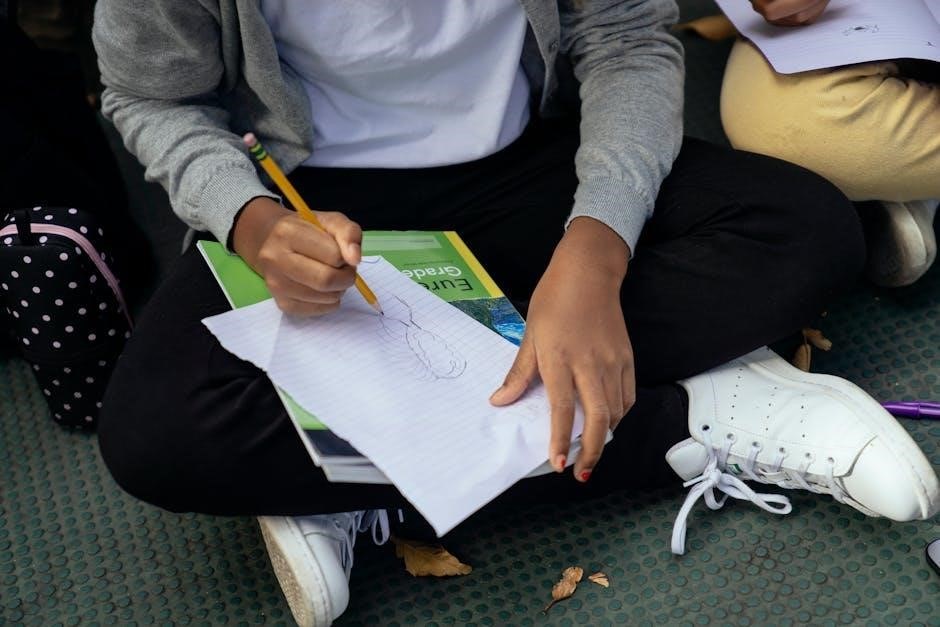
These curricula aim to foster a classroom environment where all students feel valued and respected, regardless of their background or identity. SEL initiatives promote awareness of diverse perspectives, challenging biases and encouraging empathy.
Learning for Justice, a program of the Southern Poverty Law Center, provides resources specifically designed to educate children and youth to become active participants in a diverse democracy, further supporting inclusive SEL practices.
Empathy and Critical Thinking Development
SEL curricula increasingly emphasize the development of both empathy and critical thinking skills. The Wisconsin Department of Public Instruction highlights lessons specifically focused on these areas, encouraging students to understand others’ feelings and perspectives.
These programs move beyond simply recognizing emotions to analyzing situations and considering multiple viewpoints. Critical thinking is fostered through problem-solving activities and discussions that require students to evaluate information and make informed decisions.
By combining empathy with critical thought, students learn to navigate complex social situations with greater understanding and responsibility, contributing to a more compassionate and just learning environment.
Communication and Peer Relationship Skills
Effective social-emotional learning curricula prioritize the development of strong communication skills and healthy peer relationships. The Wisconsin Department of Public Instruction’s resources specifically address these areas through dedicated lesson themes.
Students learn to express themselves clearly, actively listen to others, and navigate conflicts constructively. Collaborative activities, like group play and STEM challenges, provide opportunities to practice these skills in real-world contexts.
Curricula such as School-Connect aim to boost social and academic skills, preparing students for success in high school, college, and future workplaces, emphasizing the importance of positive interactions.
Problem Solving Strategies for Students
SEL curricula, particularly those available as PDFs, heavily emphasize equipping students with effective problem-solving strategies. The Wisconsin Department of Public Instruction integrates problem-solving as a core unit theme within its SEL framework.
Students are guided to identify challenges, brainstorm potential solutions, evaluate consequences, and implement chosen strategies. Collaborative problem-solving, through immersion and group activities, fosters critical thinking and teamwork.
Resources like School-Connect further support this by enhancing students’ academic and social skills, preparing them for navigating complex situations in educational and professional settings. These skills are vital for future success.
Resources and Further Exploration
Explore Learning for Justice and Start Empathy for valuable SEL insights, tools, and global-local action initiatives, complementing PDF curriculum resources.
Learning for Justice (Southern Poverty Law Center)
Learning for Justice, a program of the Southern Poverty Law Center, provides educators with crucial resources to foster a more equitable and inclusive learning environment. Their mission centers on empowering students to become active participants in a diverse democracy, directly aligning with core SEL principles.
This organization offers a wealth of materials – lesson plans, articles, and professional development opportunities – designed to address social justice issues and cultivate critical thinking skills. These resources can be seamlessly integrated with existing SEL curricula, enriching the learning experience and promoting empathy.
By utilizing Learning for Justice’s offerings, educators can equip students with the knowledge and tools necessary to challenge prejudice, advocate for fairness, and build a more just world, enhancing the impact of any SEL PDF program.
Start Empathy: Global Awareness and Local Action
Start Empathy offers a unique approach to SEL, encouraging students to connect global issues with local actions. Their curriculum, often available as part of a comprehensive manual, emphasizes mindful learning and fosters a sense of responsibility towards the wider world.
This resource guides educators in facilitating discussions about diverse cultures and perspectives, promoting empathy and understanding among students. It’s designed to move beyond theoretical concepts, inspiring youth to actively engage in positive change within their communities.
By taking “a few steps” with Start Empathy, educators can supplement SEL PDF resources, cultivating globally aware and compassionate citizens prepared to address real-world challenges.
Leave a Reply
You must be logged in to post a comment.