Month: November 2025

genie 2128 manual

Genie 2128 Garage Door Opener: A Comprehensive Manual Guide

This guide details the Genie 2128’s operation, maintenance, and safety features, including Aladdin Connect integration and PDF manual access.

The Genie 2128 is a popular, builder-grade garage door opener known for its reliable performance and integration with modern smart home technology. This model boasts Wi-Fi capability, allowing seamless connection with Aladdin Connect for remote control and monitoring.

Designed for convenience and security, the 2128 features a robust belt or chain drive system, offering quieter operation compared to traditional chain-drive openers. Users benefit from included safety features, alongside options like wireless keypads and remote controls.

This comprehensive manual will guide you through installation, programming, maintenance, and troubleshooting, ensuring optimal functionality and longevity of your Genie 2128. Access to the PDF manual is readily available online for detailed reference.

Key Features and Specifications

The Genie 2128 distinguishes itself with integrated Aladdin Connect, enabling Wi-Fi control and monitoring via a smartphone. It offers a robust belt or chain drive system, prioritizing quieter operation. Safety is paramount, featuring safety sensors and a manual release mechanism for emergency use.

Key specifications include compatibility with various garage door sizes and weights. The opener supports wireless keypads and multiple remote controls. It’s designed for easy installation and programming, detailed in the provided operation and maintenance manual.

Accessories, like additional remotes, are available separately. The Genie 2128 balances affordability with smart features, making it a versatile choice for homeowners. Refer to the PDF manual for complete technical details.

Installation and Setup

Proper installation involves unboxing components, securely mounting the unit, and carefully connecting the safety sensors as detailed in the manual.

Unboxing and Component Checklist

Upon receiving your Genie 2128, carefully inspect the box for any shipping damage. Once opened, verify all components are present. You should find the garage door opener unit itself, a rail assembly, a safety sensor set (two sensors), a wireless remote control, a wireless keypad, mounting hardware (brackets, bolts, screws), a user manual, and potentially Aladdin Connect components if included in your package.

Refer to the included manual’s component diagram to confirm everything is accounted for. Missing parts should be reported to Genie customer support immediately. Ensure all protective packaging is removed before proceeding with installation. Keep the original packaging for potential returns or warranty claims. A thorough checklist prevents delays during setup.

Mounting the Genie 2128 Unit

Securely mounting the Genie 2128 is crucial for safe and reliable operation. Begin by assembling the rail sections according to the manual’s instructions. Position the assembled rail within your garage, ensuring adequate headroom and alignment with the garage door. Utilize the provided mounting brackets to attach the rail firmly to ceiling joists or solid structural supports.

Carefully lift the opener unit and attach it to the rail assembly. Double-check all bolts and connections are tightened securely. Proper alignment is essential; misaligned units can cause operational issues. Consult the manual’s diagrams for precise bracket placement and fastening techniques. Prioritize a stable and robust mounting structure.

Connecting the Safety Sensors

The Genie 2128’s safety sensors are vital for preventing accidental door closure on obstructions. Locate the sensor lenses and wiring, typically included in the hardware kit. Mount the sensors approximately six inches above the floor on either side of the garage door opening, ensuring they face each other directly.

Connect the sensor wires to the designated terminals on the opener unit. Verify a solid connection and proper wiring polarity. Test the sensors by breaking the beam – the opener’s indicator light should illuminate. If the light doesn’t activate, re-check wiring and alignment. Proper sensor function is paramount for safety.

Programming and Operation

Explore remote, keypad, and Aladdin Connect programming for the Genie 2128. Learn about the manual release and ensure smooth, safe garage door control.

Remote Control Programming

To program a new remote for your Genie 2128, locate the “Learn” button on the garage door opener motor unit. Press and release this button – a LED indicator will illuminate. Within 30 seconds, press and hold the button on your desired remote control until the garage door opener activates.

This confirms successful programming. Repeat this process for any additional remotes. If the remote doesn’t respond, ensure fresh batteries are installed and repeat the steps. Refer to the full programming, operation, and maintenance manual (available as a PDF download) for detailed diagrams and troubleshooting tips. Always test the remote’s functionality after programming.

Wireless Keypad Programming

Programming the wireless keypad for your Genie 2128 is straightforward. Begin by entering a 4-digit PIN code on the keypad, followed by pressing the “Learn” button on the garage door opener motor unit. The keypad’s indicator light will flash.

Then, enter the same 4-digit PIN code on the keypad again. A successful programming is indicated by the light stopping its flashing. You can change the PIN code at any time by repeating this process with a new code. Consult the PDF manual for detailed instructions and troubleshooting. Ensure the keypad has sufficient battery power for optimal performance.

Aladdin Connect Integration & Setup

The Genie 2128 seamlessly integrates with Aladdin Connect, offering convenient smartphone control. Download the Aladdin Connect app from your app store and create an account. Ensure your opener is Wi-Fi capable – models 2128 and 1128 support this feature.

Follow the in-app instructions to connect your opener to your home’s Wi-Fi network. This typically involves pressing a “Learn” button on the motor unit and entering your Wi-Fi password within the app. Once connected, you can monitor door status, receive alerts, and control the opener remotely. Refer to the PDF manual or Aladdin Connect support for detailed setup guidance.

Using the Manual Release Mechanism

The Genie 2128 features a manual release mechanism for emergency operation during power outages. Locate the red emergency release cord hanging from the garage door opener carriage. Pulling this cord disengages the motor, allowing you to open and close the door manually.

Exercise caution as the door is no longer spring-assisted and may be heavy; After restoring power, re-engage the motor by pulling the cord again until it clicks back into place. Consult the programming, operation & maintenance manual for detailed instructions and safety warnings regarding manual operation. Always test the opener after re-engagement.

Safety Features and Precautions

The Genie 2128 prioritizes safety with features like safety sensors, emergency release, and force settings – refer to the manual for details.

Safety Sensor Troubleshooting

Ensuring proper safety sensor function is crucial for safe operation. If the garage door doesn’t close, verify the sensors are aligned and free of obstructions. Check wiring connections at both sensors and the motor unit – loose connections are a common issue.

Inspect the sensor lenses for dirt or debris; clean them with a soft cloth. A flashing LED on the sensors indicates a problem. Refer to the Genie 2128 manual for specific LED code meanings. If issues persist, temporarily disconnect the sensors (door will operate with caution) to confirm they are the source of the problem. Always re-connect and properly align sensors before regular use.

Remember to consult the manual for detailed diagrams and troubleshooting steps.

Understanding the Opener’s Safety Features

The Genie 2128 prioritizes safety with multiple features. The safety sensors utilize an infrared beam to prevent the door from closing on obstructions. If the beam is broken, the door reverses. The “soft” start and stop feature minimizes jarring movements, enhancing safety.

The rolling code technology prevents unauthorized access by changing the remote’s signal each time it’s used. The manual release allows for operation during power outages, but requires caution; Always consult the Genie 2128 manual for detailed explanations of each feature and proper usage.

Regularly testing these features is vital to ensure continued protection for people and property.

Emergency Operation Procedures

In a power outage, the Genie 2128 can be operated manually. Locate the emergency release cord – refer to your manual for its exact location – and pull it downwards to disengage the carriage. The door can then be lifted and lowered by hand.

Exercise extreme caution as the door is not balanced and can be heavy. After restoring power, re-engage the carriage by pulling the cord upwards until it clicks. Always test the safety sensors after a manual operation to confirm they are functioning correctly.

Consult the Genie 2128 manual for detailed instructions and safety warnings regarding emergency operation.

Maintenance and Troubleshooting

Regular checks, belt/chain maintenance, and addressing common issues—like sensor problems—ensure optimal Genie 2128 performance. See the manual for details.

Regular Maintenance Schedule

To maintain peak performance of your Genie 2128, a consistent maintenance schedule is crucial. Monthly, visually inspect the door tracks for obstructions and ensure smooth operation. Lubricate moving parts – rollers, hinges, and the chain or belt – every six months using a silicone-based lubricant.

Annually, tighten all bolts and nuts, and thoroughly examine the safety sensors for alignment and cleanliness. Check the spring tension (if applicable) and consult a professional if adjustments are needed. Review the opener’s force settings as outlined in the programming manual. Following this schedule will help prevent issues and extend the lifespan of your Genie 2128 opener.

Troubleshooting Common Issues

If your Genie 2128 isn’t responding, first check the power supply and ensure the outlet is functioning. A closed safety sensor is a frequent culprit – verify sensors are aligned and free of obstructions. If the door reverses unexpectedly, adjust the force settings according to the manual.

Remote control issues can often be resolved by reprogramming it, following the instructions in the programming section. For Aladdin Connect problems, confirm your Wi-Fi connection. If the chain or belt is excessively noisy, lubrication may be needed. Consult the full manual for detailed troubleshooting steps and safety precautions before attempting repairs.

Belt/Chain Drive Maintenance

Maintaining the belt or chain drive of your Genie 2128 is crucial for smooth, quiet operation. Regularly inspect the belt or chain for signs of wear, fraying, or damage. Lubrication is key; use a silicone-based lubricant specifically designed for garage door openers – avoid oil-based products.

Apply lubricant sparingly to the belt or chain, avoiding pulleys or gears. Check the tension of the belt or chain; excessive looseness can cause slippage. Periodically inspect the drive system for debris and remove any obstructions. Refer to the manual for specific lubrication intervals and recommended products to ensure optimal performance and longevity.

Advanced Settings and Customization

Customize your Genie 2128 with adjustable travel limits, force settings, and light controls for personalized operation and enhanced convenience.

Adjusting Travel Limits

Precisely defining the up and down travel limits of your Genie 2128 is crucial for optimal performance and safety. These adjustments ensure the door opens and closes fully without encountering obstructions or excessive strain. Refer to your programming manual for detailed, step-by-step instructions. Typically, this involves using the adjustment knobs located on the motor unit.

Small, incremental adjustments are recommended; observe the door’s movement after each change. Incorrectly set limits can lead to the door not closing completely, or potentially hitting the ceiling. Always prioritize safety and double-check the settings after any adjustments. The manual provides diagrams illustrating the knob locations and adjustment directions for both up and down travel.

Force Settings Adjustment

The Genie 2128’s force settings dictate the power applied to overcome resistance during door operation. Adjusting these settings is sometimes necessary if the door struggles to open or close, but exercise extreme caution. Incorrect force settings can compromise safety features and potentially cause damage.

Consult the programming manual before making any changes. Typically, adjustments are made via dials on the motor unit. Increase force incrementally, testing after each adjustment. Never exceed the manufacturer’s recommended settings. If significant force is required, investigate the cause – a binding door or broken spring – rather than simply increasing the force. Prioritize safety and proper door maintenance.

Light Control Settings

The Genie 2128 features adjustable light control settings, offering convenience and security. The integrated light can be programmed to automatically turn on with door operation, or manually activated via the remote or wall control. Settings typically include an adjustable auto-off timer, ranging from a few minutes to several hours.

Access light control options through the programming buttons on the motor unit. Refer to the manual for specific button sequences. Some models offer a “vacation mode” that periodically activates the light to simulate occupancy. LED bulbs are recommended for energy efficiency and longevity. Ensure the bulb wattage is compatible with the opener to prevent damage.

Warranty Information

The Genie 2128 comes with a limited warranty covering defects in materials and workmanship. Contact Genie customer support for details and claim procedures.

Genie 2128 Warranty Details

The Genie 2128 garage door opener is protected by a limited warranty, offering peace of mind to owners. This warranty typically covers defects in materials and workmanship under normal use for a specified period. The length of coverage can vary, so reviewing the official warranty documentation is crucial.

Generally, the motor unit itself receives the longest coverage, often a lifetime warranty for the original purchaser. Parts, such as the remote controls and safety sensors, usually have a shorter warranty period, typically one or two years. Labor costs associated with repairs may or may not be included.

To make a warranty claim, retain your proof of purchase and contact Genie customer support. Be prepared to provide the model number, date of purchase, and a detailed description of the issue.

Contacting Genie Customer Support

For assistance with your Genie 2128 garage door opener, several support channels are available. Genie’s official website is a primary resource, offering FAQs, troubleshooting guides, and downloadable manuals. You can often find answers to common questions quickly online.

Direct contact with customer support is possible via phone. Check the Genie website for the most current phone number, as it may vary. Email support is also typically offered, allowing you to submit detailed inquiries and receive responses within a specified timeframe.

When contacting support, have your model number (2128) and proof of purchase readily available. Clearly describe the issue you are experiencing to expedite the assistance process.

Resources and Downloads

Access the Genie 2128 Programming & Operation Manual as a free PDF download. Explore online FAQs and support for comprehensive assistance with your opener.

Downloading the Genie 2128 Manual (PDF)
Accessing the official Genie 2128 manual in PDF format is straightforward and provides a comprehensive resource for all your needs; ManualsLib hosts a readily available version of the Programming, Operation & Maintenance Manual, ensuring you have detailed instructions at your fingertips;

This downloadable guide covers everything from initial setup and programming of remote controls and keypads to troubleshooting common issues and understanding safety features. The PDF format allows for easy viewing on any device and convenient offline access.

Ensure you have the latest version for accurate information regarding Aladdin Connect integration and specific model functionalities. A direct link to the PDF can often be found through Genie’s official support channels as well.

Accessing Online Support and FAQs

Genie provides extensive online support resources to assist with your 2128 garage door opener. Their official website features a dedicated support section with frequently asked questions (FAQs) addressing common concerns and troubleshooting steps.

You can find helpful articles, videos, and diagrams to guide you through installation, programming, and maintenance procedures. Aladdin Connect support is also readily available online, offering assistance with Wi-Fi connectivity and smart home integration.

For more personalized assistance, Genie’s customer support team can be contacted directly through their website or by phone. Utilizing these online resources can often resolve issues quickly and efficiently, minimizing downtime and maximizing convenience.


bifen it instructions

Bifen IT Instructions: A Comprehensive Guide

Bifen IT, containing 7.9% bifenthrin, offers broad-spectrum pest control. This guide details its proper use, ensuring effective application and adherence to safety regulations.

What is Bifen IT?

Bifen IT is a highly effective insecticide formulated with 7.9% bifenthrin, a pyrethroid insecticide known for its potent and long-lasting control of a wide range of pests. It’s a versatile product designed for both indoor and outdoor applications, making it a popular choice for residential and commercial pest management.

This insecticide boasts an odorless and non-staining formula, providing discreet pest control without leaving behind noticeable residues. Bifen IT excels in delivering excellent control over more than 75 insect pests, offering a comprehensive solution for various infestations. Its residual activity ensures prolonged protection, reducing the frequency of re-applications.

As a general-use insecticide, Bifen IT is suitable for treating numerous areas, from homes and gardens to commercial buildings. However, responsible and label-compliant application is crucial for maximizing its effectiveness and minimizing potential risks.

Active Ingredient: Bifenthrin

Bifenthrin is the active ingredient in Bifen IT, belonging to the pyrethroid family of insecticides. Pyrethroids are synthetic compounds based on naturally occurring pyrethrins found in chrysanthemum flowers, but are more stable and longer-lasting. It works by disrupting the nervous system of insects, leading to paralysis and ultimately, death.

This potent chemical effectively controls a broad spectrum of pests, including ants, termites, spiders, cockroaches, and various other crawling and flying insects. The 7.9% concentration in Bifen IT provides a robust level of pest control, ensuring effective elimination of infestations.

Bifenthrin exhibits residual activity, meaning it remains effective on treated surfaces for an extended period, providing continued protection against re-infestation. Understanding its mode of action is key to utilizing Bifen IT responsibly and achieving optimal results, always following label directions.

Target Pests Controlled by Bifen IT

Bifen IT boasts impressive control over a wide array of insect pests, exceeding 75 species. Common targets include ants, effectively eliminating colonies and preventing future incursions. It’s also highly effective against termites, providing a crucial barrier against structural damage.

Crawling insects like cockroaches, silverfish, and spiders are readily controlled with Bifen IT applications. Flying insects, such as flies, mosquitoes, and certain types of wasps, are also susceptible to its effects. The broad-spectrum nature of this insecticide makes it a versatile solution for diverse pest problems.

Furthermore, Bifen IT can manage pests like earwigs, crickets, and millipedes. Always consult the product label for a complete and up-to-date list of controlled pests, as efficacy can vary depending on species and application method. Proper identification of the target pest is crucial for successful treatment.

Application Areas: Indoor Use

Bifen IT is approved for indoor use in a variety of residential and commercial settings, targeting common household pests. Key application areas include kitchens, bathrooms, and basements – locations prone to insect activity. Focus treatment on areas where pests are frequently observed or may harbor, such as cracks and crevices.

Effective indoor applications involve treating along baseboards, around pipes, and within wall voids. Pay close attention to areas near doors and windows, potential entry points for pests. Bifen IT can be used in attics and crawl spaces, but ensure proper ventilation during and after application.

Avoid direct application to food preparation surfaces. Always follow label instructions regarding surface treatment and allow treated areas to dry completely before allowing people or pets to re-enter. Remember, responsible indoor use ensures both pest control and occupant safety.

Application Areas: Outdoor Use

Bifen IT demonstrates excellent efficacy for outdoor pest control around residential and commercial structures. Permitted application sites include lawns, ornamentals, and foundation perimeters, creating a protective barrier against invading insects. Target areas such as around doors, windows, and utility openings where pests may enter.

For optimal results, apply Bifen IT to areas where pests are actively foraging or nesting. This includes treating around shrubs, flowerbeds, and ground cover. Consider perimeter treatments to prevent insects from approaching the structure. Ensure thorough coverage, but avoid application directly into sewers or drainages.

Prior to application, remove any items that might be contaminated, like pet bowls or children’s toys. Always adhere to label directions regarding application rates and restrictions, especially near edible plants. Responsible outdoor use maximizes pest control while minimizing environmental impact.

Dilution Rates and Mixing Instructions

Bifen IT requires careful dilution for effective pest control and to avoid potential harm. Always consult the product label for specific rates, as they vary depending on the target pest and application area. A common dilution involves mixing Bifen IT with water; for example, 127 ounces of water with a specified amount of concentrate.

To prepare the solution, add the appropriate amount of Bifen IT concentrate to the water in a clean spray tank, ensuring thorough mixing. It’s crucial to add the concentrate to the water, not the other way around, to prevent splashing and ensure proper emulsification. Agitate the mixture continuously during mixing and application.

Accurate measurement is vital. Use calibrated measuring devices to ensure the correct dilution rate. Never exceed the maximum recommended concentration. Properly diluted Bifen IT maximizes efficacy while minimizing risks. Always follow label instructions precisely.

Calculating the Correct Dilution

Determining the correct Bifen IT dilution is paramount for both effectiveness and safety. The label provides dilution rates based on the target pest and application area – always prioritize these instructions. Calculations often involve ounces of concentrate per gallon of water, or teaspoons per gallon.

For instance, if the label calls for 0.5 ounces of Bifen IT per gallon of water, carefully measure 0.5 ounces of concentrate and add it to a gallon of water. To calculate dilutions for different volumes, use simple proportions. If you need 2 gallons, multiply the concentrate amount by two (1 ounce in this case).

Double-check your calculations and measurements. Incorrect dilutions can render the product ineffective or cause unwanted residue. Utilize online dilution calculators or conversion charts if needed. Accurate dilution ensures optimal pest control and minimizes environmental impact. Always err on the side of caution and follow label guidelines.

Application Techniques

Effective Bifen IT application hinges on selecting the appropriate technique for the situation. Two primary methods are crack and crevice treatment and broadcast spraying. Crack and crevice treatment focuses on applying the insecticide into narrow spaces where pests harbor, like around pipes, under appliances, and along baseboards. Use a precision applicator tip for targeted delivery.

Broadcast spraying involves applying a uniform layer of insecticide over a larger area. This is suitable for outdoor applications on lawns or around building perimeters. Ensure even coverage, avoiding runoff; Always consult the product label for specific instructions regarding spray volume and nozzle type.

Regardless of the technique, maintain consistent pressure and walking speed during application. Avoid spraying directly into ventilation systems. Post-treatment, allow the spray to dry completely before allowing people or pets into the treated area. Proper technique maximizes efficacy and minimizes non-target exposure.

Crack and Crevice Treatment

Bifen IT excels in crack and crevice treatment, targeting hidden pest habitats. This method involves applying the insecticide directly into voids where insects live and travel – think around pipes, behind appliances, within wall voids, and along baseboards. Utilize a precision tip applicator, extending the nozzle into these spaces during application.

Thoroughness is key. Inspect areas carefully and treat all potential entry points. Apply a short burst of spray, aiming to coat the interior surfaces of the crack or crevice. Avoid over-application, as this isn’t necessary for effectiveness. The goal is to create a residual barrier that eliminates pests as they emerge.

For optimal results, ensure the area is dry before treatment. This allows the insecticide to adhere properly. Following treatment, monitor the area for continued pest activity and reapply if necessary, always adhering to label instructions.

Broadcast Spraying

Bifen IT can be applied via broadcast spraying for larger outdoor areas, but careful consideration is crucial. This method involves applying a uniform, low-pressure spray over the entire treatment area, typically lawns, perimeters of buildings, or around ornamental plants. Always consult the product label for specific dilution rates and application volumes.

Ensure even coverage, avoiding excessive runoff. Calibrate your sprayer to deliver the correct amount of product per square foot. Pay attention to wind conditions; avoid spraying on windy days to prevent drift onto non-target areas. Thoroughly wet the vegetation, but avoid saturating the soil.

Post-application, allow the treated area to dry completely before allowing people or pets to re-enter. Broadcast spraying provides a broad-spectrum control, but may require more product than targeted treatments. Always prioritize label instructions for safe and effective use.

Safety Precautions and Personal Protective Equipment (PPE)

Bifen IT is a powerful insecticide, demanding strict adherence to safety precautions. Always read and understand the entire label before handling or applying this product. When mixing, loading, or applying, wear appropriate Personal Protective Equipment (PPE) to minimize exposure.

Essential PPE includes chemical-resistant gloves (such as nitrile or neoprene), long-sleeved shirts, long pants, and waterproof footwear. For applications that may create dust or spray mist, a respirator is recommended. Eye protection, like safety glasses or goggles, is also crucial to prevent irritation.

Avoid contact with skin, eyes, and clothing. Do not eat, drink, or smoke while handling the product. Wash thoroughly with soap and water after handling and before eating, drinking, or smoking. Remove contaminated clothing immediately and wash before reuse. Store PPE separately from pesticides.

First Aid Measures

In case of exposure to Bifen IT, immediate first aid is crucial. If swallowed, immediately call a poison control center or doctor. Do NOT induce vomiting unless directed to do so by a medical professional. If inhaled, move the person to fresh air. If breathing is difficult, administer oxygen and seek medical attention.

If on skin, wash thoroughly with soap and water. Remove contaminated clothing and shoes. If in eyes, flush immediately with plenty of water for 15-20 minutes, lifting upper and lower eyelids occasionally. Seek medical attention if irritation persists.

Have the product container or label with you when calling a poison control center or doctor, or when seeking medical advice. Note: Symptoms may be delayed. It’s always best to err on the side of caution and consult a medical professional after any significant exposure.

Storage and Handling Instructions

Bifen IT must be stored securely in its original container, tightly closed, in a cool, dry, and well-ventilated area. Keep out of reach of children and animals. Do not store near food, feed, or water sources. Improper storage is contrary to label instructions and can compromise product effectiveness.

When handling Bifen IT, always wear appropriate personal protective equipment (PPE) as specified on the label. Avoid contact with skin, eyes, and clothing. Do not eat, drink, or smoke while using this product. Wash hands thoroughly with soap and water after handling.

Avoid contamination of food or feed. Do not reuse empty containers. Follow manufacturer’s instructions for cleaning and maintaining PPE. Securely store the product to prevent accidental spills or leaks, and ensure proper disposal of any spilled material.

Environmental Hazards

Bifen IT is highly toxic to aquatic organisms, including fish and invertebrates. Extreme care must be taken to prevent contamination of water bodies. Do not apply directly to water, or to areas where surface water is present or may drain.

Runoff from treated areas can be hazardous to aquatic environments. Avoid application when rainfall is forecast to occur, as this can lead to runoff. Consider using drift reduction technologies during application to minimize off-target movement.

This product can pose a risk to beneficial insects, such as bees. Minimize exposure of Bifen IT to flowering plants during application. Dispose of waste materials responsibly, avoiding contamination of soil and water sources. Follow all label instructions to protect the environment.

Disposal Instructions

Pesticide, spray mixture, or rinse water that cannot be utilized according to label directions must be disposed of properly. It is a violation of Federal law to dispose of this product in a manner inconsistent with its labeling.

Pesticide Disposal Guidelines: Contact your state pesticide or environmental control agency for guidance on acceptable disposal methods. Options may include authorized waste disposal facilities or chemical waste collection programs.

Container Disposal: Triple rinse the container (or equivalent) promptly after emptying. Then, offer it for recycling if available, or puncture and dispose of it in a sanitary landfill, or by other procedures approved by state and local authorities. Never reuse the container.

Ensure all disposal practices comply with local, state, and federal regulations. The individual disposing of this product bears the responsibility for determining applicable regulations.

Pesticide Disposal Guidelines

When disposing of unused Bifen IT pesticide, spray mixture, or rinse water, strict adherence to guidelines is crucial. Do not simply discard it; improper disposal poses environmental risks and violates Federal law. Always prioritize responsible handling and disposal practices.

Your primary resource for specific disposal instructions is your state’s pesticide or environmental control agency. They can provide details on authorized waste disposal facilities and chemical waste collection programs operating within your region. Contact them directly for the most current and accurate information.

These agencies will outline acceptable methods, ensuring compliance with local and national regulations. Following their guidance protects both the environment and public health. Remember, proper disposal is a legal obligation and a responsible practice.

Container Disposal

Proper disposal of the Bifen IT container is as important as the pesticide itself. Do not reuse this container for any purpose, including storing other chemicals or materials. This prevents accidental contamination and ensures safety.

Triple rinse the container promptly after emptying. Fill it one-quarter full with water and shake vigorously for at least 30 seconds. Repeat this rinsing process three times, adding the rinse water to the spray tank each time. This minimizes residual pesticide remaining in the container.

Once thoroughly rinsed, the container can be offered for recycling if recycling facilities accept rinsed pesticide containers in your area. Otherwise, dispose of it in accordance with state and local regulations. Contact your state pesticide or environmental control agency for specific guidance on acceptable disposal methods.

Precautionary Statements

Bifen IT is a powerful insecticide and requires careful handling. It is a violation of Federal Law to use this product in a manner inconsistent with its labeling. Always read the entire label before use and follow all instructions meticulously.

Avoid contact with skin, eyes, or clothing. Wear appropriate Personal Protective Equipment (PPE) during application, as detailed in the safety precautions section. Keep children and pets away from treated areas until the spray has dried completely.

Do not contaminate water, food, or feed by storage or disposal. Avoid application directly into sewers or drains. Use only in well-ventilated areas. If irritation occurs, seek medical attention immediately. Store in a cool, dry place, inaccessible to children and animals.

Resistance Management

To minimize the development of insecticide resistance in target pests, implement a robust resistance management strategy when using Bifen IT. Avoid consecutive applications of bifenthrin or other insecticides with the same mode of action. Rotate with products containing different active ingredients.

Employ integrated pest management (IPM) practices, including cultural controls, biological control agents, and sanitation, to reduce reliance on chemical insecticides. Monitor pest populations regularly to detect any signs of resistance development.

Consider tank-mixing Bifen IT with other insecticides possessing different modes of action, where appropriate and permitted by the label. This can broaden the spectrum of control and delay resistance. Always consult the product labels for compatibility and application instructions. Proper rotation and IPM are crucial for long-term effectiveness.

Label Compliance and Federal Law

It is a violation of Federal Law to use this product in a manner inconsistent with its labeling. Thoroughly read and understand the entire Bifen IT product label before application, including all precautionary statements, directions for use, and restrictions.

The label is a legally binding document; adherence is mandatory. State pesticide regulations may further restrict the use of this product. Always consult your State Pesticide or Environmental Control Agency for specific requirements.

Users are responsible for being aware of and complying with all applicable federal, state, and local laws and regulations regarding pesticide use. Misuse can result in fines, penalties, or other enforcement actions. Proper application techniques and adherence to dosage rates are essential for legal and effective pest control.

Irrigation Before Application

Prior to applying Bifen IT, assess the soil moisture level in outdoor application areas. If the soil is dry or not adequately moist, irrigation is crucial before treatment. This ensures optimal product penetration and effectiveness, allowing the insecticide to reach targeted pests residing in the soil.

Alternatively, employ a high-volume application method if irrigation isn’t feasible. This involves using a larger quantity of water with the Bifen IT mixture to adequately saturate the soil. Proper soil moisture facilitates better distribution and reduces the risk of runoff.

Failure to adequately hydrate the soil can diminish the product’s efficacy and potentially lead to re-treatment, increasing environmental impact. Always follow label instructions regarding irrigation practices for best results.

Cleaning and Maintaining PPE

Proper cleaning and maintenance of your Personal Protective Equipment (PPE) are essential after each Bifen IT application to ensure its continued effectiveness and your safety. Always consult the manufacturer’s instructions specific to your PPE for detailed cleaning procedures.

Generally, washable PPE, such as gloves and coveralls, should be laundered separately from other clothing. Avoid using harsh detergents or bleach, as these can degrade the protective materials. Inspect PPE for any signs of damage – tears, punctures, or chemical breakdown – and replace damaged items immediately.

Non-washable PPE, like respirators, require specific cleaning protocols outlined by the manufacturer. Proper storage of clean PPE is also vital; keep it in a cool, dry place away from direct sunlight and potential contaminants. Following these guidelines extends the lifespan of your PPE and safeguards your health.

drone manual pdf

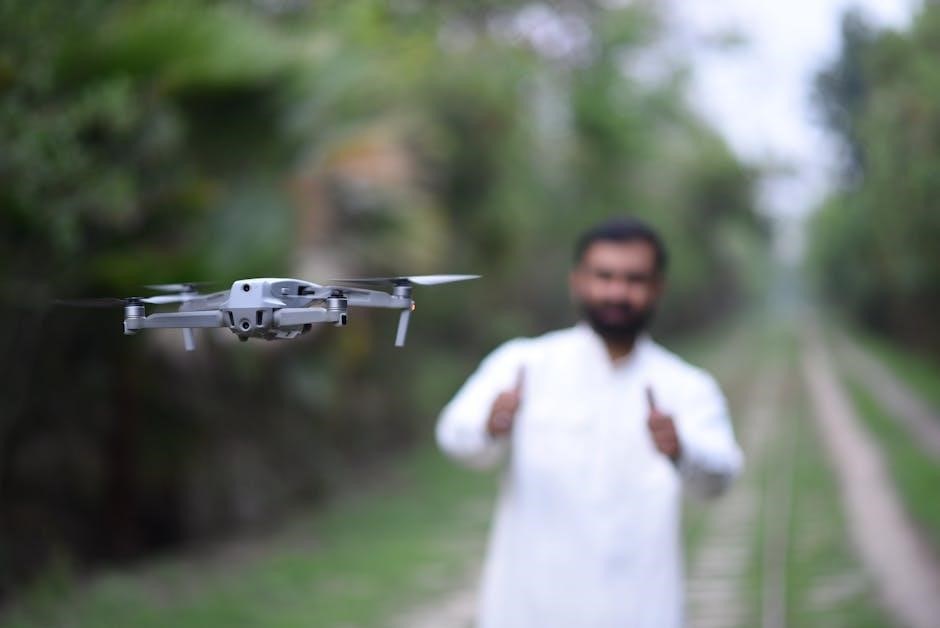
A drone manual PDF is an essential guide for understanding your drone’s features, ensuring safe operation, and optimizing performance. It covers pre-flight checks, assembly, and troubleshooting, making it a vital resource for both beginners and experienced users to maximize their flying experience.

1.1 Importance of a Drone Manual

A drone manual is crucial for safe and effective operation, providing detailed guidance on features, safety protocols, and troubleshooting. It ensures compliance with legal requirements and helps users understand their drone’s capabilities, maximizing performance and longevity. The manual acts as a comprehensive reference, addressing pre-flight checks, assembly, and maintenance, making it indispensable for both beginners and experienced pilots to ensure optimal and responsible drone usage;

1.2 What to Expect in a Typical Drone Manual

A typical drone manual includes detailed sections on pre-flight checks, assembly instructions, and remote control functions. It covers safety guidelines, legal considerations, and troubleshooting tips. Users can expect step-by-step guides for calibrating the drone, understanding camera settings, and maintaining the device. The manual also provides information on battery care, propeller installation, and software updates. Additionally, it often features diagrams and images to aid in understanding complex components. This comprehensive resource ensures users can operate their drone safely and effectively, addressing both basic and advanced functionalities.

Key Considerations When Choosing a Drone

When selecting a drone, consider camera quality, flight time, ease of use, and cost. These factors ensure you find a drone that meets your needs and budget effectively.

2.1 Camera Quality and Features

Camera quality is crucial for capturing stunning aerial photos and videos. Look for drones with high-resolution sensors, 4K capability, and image stabilization for crisp footage. Features like FPV (First-Person View) and optical flow positioning enhance photography and videography. Some drones offer advanced modes for professional-grade results. Consider models with adjustable cameras and gimbals for stability. The manual provides detailed guidance on camera settings and features, ensuring you maximize your drone’s imaging capabilities for both casual and professional use.

2.2 Flight Time and Battery Life

Flight time and battery life are critical factors for an optimal drone experience. Most drones offer 20-30 minutes of flight time, depending on weight, features, and usage. Battery capacity and charging time are detailed in the manual, ensuring safe and efficient use. Proper maintenance, like avoiding overcharging, extends battery longevity. The manual provides guidelines for monitoring battery health and optimizing flight duration, helping users make the most of their drone’s performance and ensuring reliable operation during aerial photography and exploration.

2.3 Ease of Use for Beginners

Ease of use is crucial for beginners, and a good drone manual ensures a smooth start. Many drones feature one-key takeoff, voice gesture control, and optical flow positioning, simplifying operation. The manual guides users through these features, making it easier to learn and master. Step-by-step instructions and troubleshooting tips help beginners overcome initial challenges. With clear guidance, new users can quickly understand controls, ensuring a safe and enjoyable flying experience from the start.

2.4 Cost and Value for Money

When choosing a drone, cost and value are key considerations. Drones vary widely in price, from budget-friendly options for beginners to advanced models with high-end features. The manual often highlights the drone’s features relative to its price, helping users assess value. For instance, a drone with 4K camera capabilities and obstacle avoidance may justify a higher cost. Manuals also guide users on maintaining their drones, ensuring longevity and maximizing the return on investment. This balance of cost and functionality is essential for making an informed purchase decision.

Understanding the Drone Manual

A drone manual is a comprehensive guide detailing the drone’s features, operation, and maintenance. It ensures safe and effective use, covering everything from assembly to troubleshooting, making it an essential resource for all users.

3.1 Pre-Flight Checks and Safety Guidelines

Before flying, ensure the drone’s battery is fully charged and free from damage. Inspect propellers for wear or damage and calibrate the GPS and compass; Check the surroundings for obstacles and ensure the drone is in an open, safe area. Verify local regulations and weather conditions. Always perform a system check using the DJI Fly app or similar software. Follow safety guidelines to avoid accidents and ensure a smooth flight experience. Refer to the manual for specific pre-flight procedures tailored to your drone model.

3.2 Step-by-Step Assembly Instructions

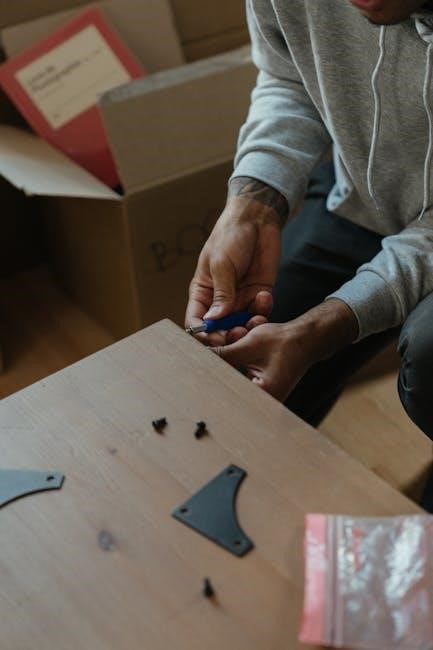
Begin by unpacking and organizing all drone components. Attach the propeller blades securely, ensuring they are properly aligned and tightened. Next, install the camera and gimbal, following the manual’s specific mounting instructions. Connect the remote controller and sync it with the drone. Use the provided tools to secure any loose parts. Refer to the diagram in the manual for correct assembly. Double-check all connections and ensure the battery is correctly installed. Follow the step-by-step guide to avoid damage and ensure a safe, functional setup.

3.3 Remote Control and Function Key Instructions

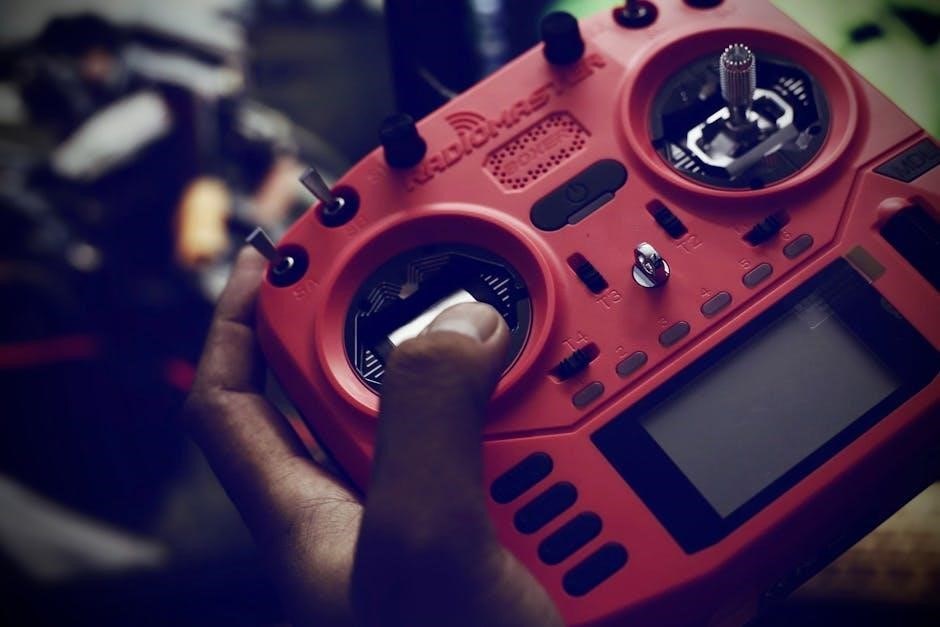
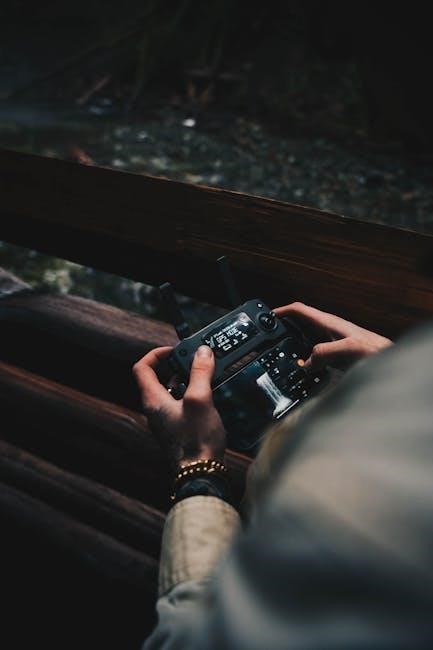
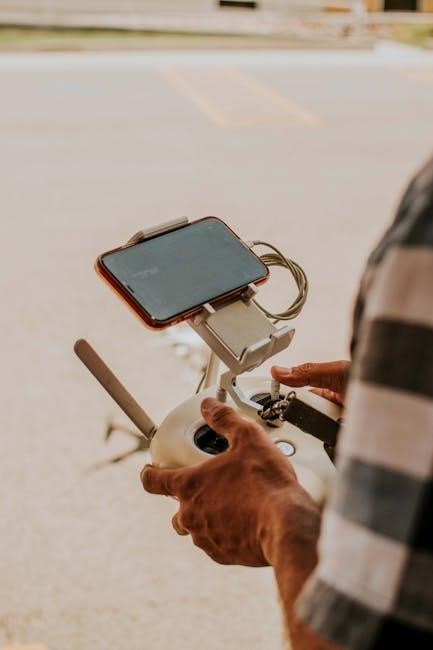
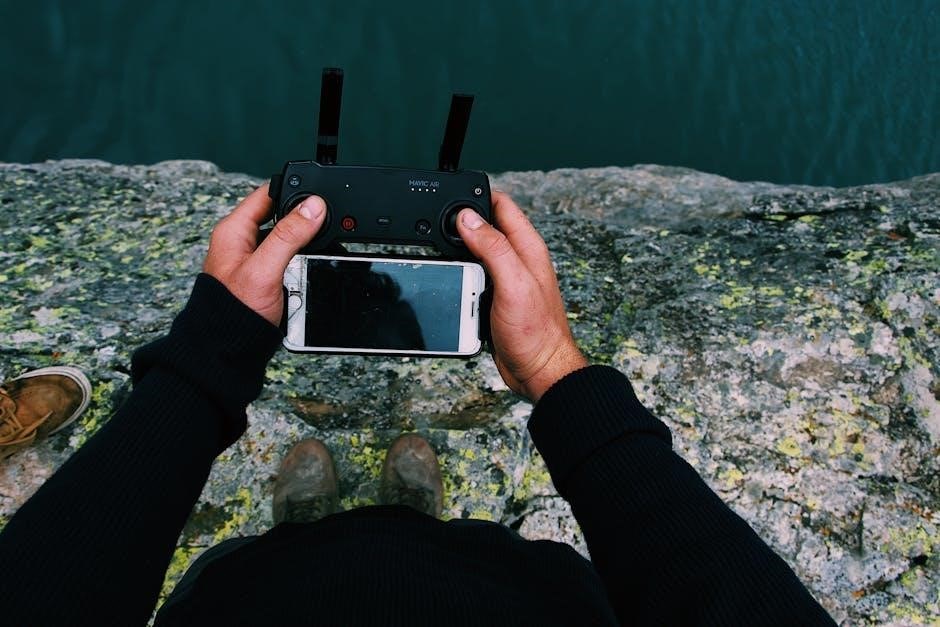
Understand the remote control layout and function keys to master drone operation. The remote typically includes joysticks for directional control, a power button, and function keys for specific commands. Sync the remote with the drone by following the manual’s pairing instructions. Familiarize yourself with keys for takeoff, landing, and mode switching. Some remotes feature customizable buttons for advanced functions. Practice using the remote in an open area to ensure smooth control. Refer to the manual for detailed instructions on optimizing remote functionality and troubleshooting connectivity issues for seamless flight experiences.

Drone Components and Accessories

A typical drone includes essential components like propeller blades, motors, and a battery. Accessories such as gimbals, cameras, and carrying cases enhance functionality and user experience.

4.1 Propeller Blades and Motors

Propeller blades and motors are critical components of a drone, ensuring stable and efficient flight. The manual provides detailed instructions on installing and maintaining these parts. High-quality motors offer durability and smooth operation, while balanced propeller blades enhance stability. Regular inspection and proper storage are essential to prevent damage. The guide also covers troubleshooting common issues, such as uneven wear or motor overheating, to ensure optimal performance and longevity of these vital components.

4.2 Battery and Charging Instructions

The drone manual PDF provides detailed guidance on battery installation, charging procedures, and safety precautions. It emphasizes the importance of using the correct charger and avoiding overcharging to prevent damage. The manual also outlines steps to maximize battery lifespan, such as storing the battery at a 50% charge when not in use. Proper charging practices ensure optimal performance and extend the drone’s operational efficiency, making it a crucial section for all users to review carefully before first use.

4.3 Camera and Gimbal Setup

The drone manual PDF includes a detailed section on camera and gimbal setup, ensuring high-quality aerial photography and videography. It guides users through mounting the camera, balancing the gimbal, and calibrating settings for stability. The manual also explains how to adjust camera angles and focus for optimal results. Additionally, it covers features like image stabilization and zoom functionality, helping users capture professional-grade footage. By following these instructions, users can unlock their drone’s full creative potential and achieve stunning visual outcomes during flights.

Installation and Setup

The drone manual PDF guides users through installation and setup, including downloading the app, connecting the drone to the remote, and calibrating for first use.

5.1 Downloading and Installing the Drone App

Downloading and installing the drone app is a crucial step in setting up your device. Most manuals guide users to scan a QR code or visit an official website to download the app. Ensure your smartphone meets the app’s compatibility requirements. Once installed, register or log in to your account. The app typically allows firmware updates, flight mode adjustments, and camera settings customization. Follow the in-app instructions for pairing the drone and remote controller. This step ensures seamless communication between devices, enabling a smooth flying experience.

5.2 Connecting the Drone to the Remote Controller

To connect the drone to the remote controller, power on both devices. The remote controller will typically enter pairing mode automatically, indicated by flashing LED lights. Ensure the drone is in pairing mode as well, usually by pressing and holding a specific button; Follow the manual’s instructions for syncing, which may involve a series of button presses or using the drone app. Once connected, the remote’s sticks will control the drone’s movements. Always test the connection before flight to ensure responsiveness and safety.

5.3 Calibrating the Drone for First Use

Calibrating your drone ensures accurate flight performance and stability. Start by placing the drone on a flat, level surface. Open the drone app and navigate to the calibration section. Follow the on-screen instructions to complete the process, which may include rotating the drone 360 degrees and aligning the compass. Ensure the remote controller is paired and functional. Once calibration is complete, test the drone in an open area to verify smooth operation. Proper calibration is crucial for safe and precise flying experiences.

Flying Techniques and Tips

Mastering drone flight involves starting in open spaces, utilizing flight modes, and practicing smooth control movements. Use GPS for stability and avoid obstacles for safe, precise maneuvers.

6.1 Basic Flight Maneuvers for Beginners

Beginners should start with simple maneuvers like hovering, throttle control, and basic directional movements. Use one-key takeoff/land for ease and practice in open spaces. Mastering altitude control and smooth transitions ensures stability. Familiarize yourself with the remote controller’s joysticks for precise movements. Start with short flights to build confidence and gradually incorporate features like optical flow positioning or waypoint flying for smoother navigation. Avoid obstacles and practice turning, ascending, and descending slowly. These foundational skills will enhance your flying experience and prepare you for more advanced techniques.

6.2 Advanced Flying Modes and Features

Advanced flying modes like waypoint navigation, follow-me, and gesture control enhance your drone experience. Waypoint flying allows you to set a custom path for the drone, ideal for mapping or surveillance. Follow-me mode keeps the drone tracking you, perfect for dynamic photography. Gesture control enables hands-free commands, adding convenience. Additionally, features like 360-degree flips and obstacle avoidance ensure smooth, professional-level maneuvers. These modes require precise setup and practice to master, but they unlock creative possibilities and improve flight efficiency. Always refer to your manual for specific activation and safety guidelines.
Maintenance and Troubleshooting

Regular maintenance ensures optimal drone performance and longevity. Clean propellers, motors, and sensors, and update software. Troubleshoot common issues like battery drain or connectivity problems by referring to the manual.

7.1 Regular Maintenance Tips

Regular maintenance is crucial for extending your drone’s lifespan and ensuring smooth operation. Clean the propellers and motors after each use to remove dirt and debris. Inspect the propeller blades for damage and replace them if necessary. Check the battery health, ensuring it’s stored properly when not in use. Update the drone’s firmware and software regularly to access new features and improvements. Lubricate moving parts and ensure all connections are secure. Refer to the manual for specific maintenance schedules and guidelines tailored to your drone model.

7;2 Common Issues and Solutions

Common drone issues include poor battery life, connectivity problems, and damaged propellers. For battery issues, ensure proper charging and storage. Connectivity problems can often be resolved by resetting the drone and remote controller. Damaged propellers should be replaced immediately to avoid further damage. Refer to the manual for troubleshooting guides specific to your model. Regular software updates and calibration can prevent many issues. If problems persist, consult the manual or contact customer support for assistance. Always follow the manufacturer’s guidelines for repairs and maintenance to ensure safety and optimal performance.

Legal and Safety Considerations

Adhering to local drone laws, respecting privacy, and following safety guidelines are crucial. Ensure compliance with no-fly zones, altitude limits, and insurance requirements. Always practice responsible flying.

8.1 Drone Laws and Regulations

Understanding drone laws and regulations is crucial for legal and safe operation. Many countries require registration for drones over a certain weight, and pilots must adhere to no-fly zones near airports, national parks, and stadiums. Altitude restrictions, typically below 400 feet, are common to ensure aviation safety. Additionally, some regions mandate pilot certification or insurance. Always check local regulations before flying, as violations can result in fines or penalties. Staying informed ensures compliance and responsible drone usage.

8.2 Best Practices for Safe Flying

Safe flying practices are essential to ensure a enjoyable and risk-free experience. Always conduct pre-flight checks, including battery health and propeller condition. Avoid flying near obstacles like trees, power lines, or buildings. Maintain a clear line of sight with your drone and never fly in poor weather conditions. Keep the drone within weight limits and follow all manufacturer guidelines. Use GPS features to avoid collisions and respect privacy by not flying over private property without permission. These practices help prevent accidents and ensure responsible drone operation.

A well-structured drone manual PDF ensures safe, efficient, and enjoyable drone operation. By following guidelines and exploring features, users can maximize their drone experience and capture stunning moments effortlessly.

9.1 Final Tips for Maximizing Drone Usage

Regularly maintain your drone to ensure optimal performance and longevity. Explore advanced features like GPS and waypoint navigation for precise flights. Use the drone app for real-time monitoring and adjustments. Practice in open spaces to master complex maneuvers. Stay updated with the latest software and firmware updates. Always follow legal guidelines and safety protocols. By combining these strategies, you can unlock your drone’s full potential and capture stunning aerial footage with ease and confidence.

9.2 Importance of Referencing the Manual

The drone manual PDF serves as a comprehensive guide, ensuring safe and effective operation. It provides detailed instructions for setup, maintenance, and troubleshooting, helping users avoid common mistakes. Referencing the manual guarantees compliance with legal and safety standards, optimizing performance, and extending the drone’s lifespan. It also helps users understand advanced features and new technologies, making it an indispensable resource for both beginners and experienced pilots to get the most out of their drone.

soleus air portable ac manual

Welcome to the Soleus Air Portable AC Manual. This guide provides essential information for proper setup, operation, and maintenance. Learn about its 10,000 BTU capacity, coverage area, and remote control features for optimal cooling performance effortlessly.

Overview

Welcome to the Soleus Air Portable AC Manual. This guide is designed to help you understand and make the most of your portable air conditioner. The Soleus Air Portable AC is a versatile and efficient cooling solution, perfect for rooms up to 350 sq. ft. With its 10,000 BTU capacity, it offers powerful cooling performance while remaining compact and portable. The unit features a sleek design, multiple air speeds, and a MyTemp remote control for convenient operation. This manual will walk you through installation, operation, maintenance, and troubleshooting, ensuring your AC runs smoothly and efficiently. Whether you’re setting up the exhaust hose, adjusting settings, or cleaning filters, this guide provides clear instructions to help you enjoy optimal cooling comfort. By following the steps outlined, you’ll be able to maximize the performance and longevity of your Soleus Air Portable Air Conditioner.

Importance of Reading the Manual

Reading this manual is essential for ensuring the safe and efficient operation of your Soleus Air Portable AC. It provides critical information about installation, maintenance, and troubleshooting, helping you avoid potential issues. By understanding the unit’s features, such as its 10,000 BTU capacity and coverage area of up to 350 sq. ft., you can optimize its performance for your space. The manual also guides you through proper setup, including the exhaust hose and window kit installation, to ensure correct ventilation. Additionally, it explains how to use the remote control and adjust settings for maximum comfort. Regular maintenance tasks, like cleaning filters, are outlined to prolong the unit’s lifespan. Ignoring the manual may lead to improper usage, reduced efficiency, or safety hazards. Take the time to review this guide thoroughly to enjoy reliable cooling and extend the life of your Soleus Air Portable AC.

What’s Included in the Box

Your Soleus Air Portable AC package includes the main unit, an exhaust hose, a window kit, and a remote control. The exhaust hose and window kit are essential for proper ventilation, while the remote control offers convenient operation. Additionally, you’ll find a 72-inch LCDI power cord with a NEMA 5-15 plug, designed for standard 115V electrical outlets. The box also contains this user manual, which provides detailed instructions for setup, maintenance, and troubleshooting. Ensure all components are accounted for to guarantee proper installation and functionality. These items are carefully packaged to ensure a seamless setup experience, helping you achieve optimal cooling performance in rooms up to 350 sq. ft. Having all these components ready will make the installation process straightforward and efficient.

Key Features

The Soleus Air Portable AC offers 10,000 BTU cooling capacity, covering up to 350 sq. ft. It features three air speeds and a MyTemp remote control for precise temperature management, ensuring efficient and comfortable cooling.

BTU and Coverage Area

The Soleus Air Portable AC is rated at 10,000 BTU, making it suitable for cooling small to medium-sized rooms. It can effectively cover an area of up to 350 square feet, ensuring efficient temperature control. This capacity is ideal for spaces like bedrooms, living rooms, or home offices. The unit is designed to provide consistent cooling without excessive energy consumption. For optimal performance, it’s recommended to use the AC in rooms within the suggested coverage area. Exceeding the recommended space may result in reduced cooling efficiency. Always consider the room’s size and layout before operating the unit to achieve the best results. Proper usage within the specified BTU and coverage range ensures reliable performance and energy efficiency. This makes the Soleus Air Portable AC a practical choice for personal or small-scale cooling needs.

Air Speeds and Remote Control

The Soleus Air Portable AC offers three air speeds—low, medium, and high—allowing you to customize airflow based on your comfort needs. The manually adjustable air louvers ensure precise air direction. The unit also comes with a MyTemp Remote Control, enabling easy operation from across the room. This remote allows you to adjust fan speed, temperature settings, and operating modes effortlessly. The remote’s LCD display provides clear visibility of the current settings, making it user-friendly. Additionally, the 72-inch power cord with a NEMA 5-15 plug ensures flexibility in placement while using a standard 115V electrical outlet. These features combine to offer a seamless and convenient cooling experience, allowing you to maintain a comfortable environment with minimal effort. The remote control and adjustable air speeds make the Soleus Air Portable AC a practical and efficient choice for personal cooling needs.

Design and Portability

The Soleus Air Portable AC is designed with portability and convenience in mind. Its compact and sleek design allows for easy movement between rooms, making it ideal for versatile use. The unit is equipped with wheels, enabling smooth transportation over various surfaces. This feature ensures that you can position the air conditioner wherever cooling is needed without straining yourself. The lightweight construction further enhances its portability, while the modern aesthetic blends seamlessly with most home or office décors. Whether you need cooling in a small room, a large space, or multiple areas, the Soleus Air Portable AC’s design ensures effortless relocation and efficient performance. Its portability makes it a practical solution for maintaining a comfortable environment in any setting, without compromising on style or functionality.

Installation

Install your Soleus Air Portable AC by first setting up the exhaust hose and window kit. Adjust the window kit to fit your window opening securely. Ensure the exhaust hose is properly attached for ventilation.

Exhaust Hose Setup

Properly setting up the exhaust hose is crucial for your Soleus Air Portable AC to function efficiently. Begin by attaching the exhaust hose to the unit’s rear outlet, ensuring a secure connection. Next, extend the window kit to fit your window opening. If necessary, cut the window kit to the appropriate length using a saw or utility knife. Once adjusted, place the window kit into the window frame and close it tightly to ensure a proper seal. Connect the exhaust hose to the window kit, making sure it is straight and unobstructed. This setup allows hot air to vent outside, preventing it from recirculating into the room. Always follow the manufacturer’s guidelines for installation to avoid any issues with performance or safety.

Window Kit Installation

Installing the window kit for your Soleus Air Portable AC is essential for proper ventilation. Begin by opening the window and measuring the width of the opening. Adjust the window kit panels to fit the measured width. If the panels are too long, mark the desired length and cut them using a saw or utility knife. Once the panels are sized correctly, place them into the window frame, ensuring they fit snugly. Close the window tightly to secure the kit in place. For a tighter seal, you can use the provided foam strips or additional weatherstripping. Make sure the window kit is properly aligned with the exhaust hose to allow hot air to vent outside efficiently. A secure installation ensures optimal performance and prevents hot air from recirculating into the room.

Drain System Setup

Properly setting up the drain system for your Soleus Air Portable AC is crucial for efficient operation. Begin by positioning the unit on a level surface to ensure proper water flow. Locate the drain port at the bottom of the unit and attach the provided drain hose securely. Direct the other end of the hose to a suitable drainage location, such as a floor drain or a bucket. For continuous drainage, ensure the hose is not kinked or blocked. If using a bucket, place it near the unit to collect condensate water. Regularly check the drain system to prevent water accumulation, which can affect performance. For units with a built-in pump, follow the manufacturer’s instructions for proper setup. Proper drainage ensures optimal cooling efficiency and prevents water damage or mold growth.

Operating the Unit

Operating your Soleus Air Portable AC is straightforward. Start by plugging in the unit and setting your desired temperature. Use the controls or remote to adjust settings like fan speed and mode. Ensure proper ventilation for efficient cooling. Refer to the manual for specific model instructions and tips to maximize performance.

Controls and Settings

Your Soleus Air Portable AC features intuitive controls and settings for precise temperature management. The unit includes a digital display and buttons on the front panel, allowing you to adjust temperature, fan speed, and operating modes. Use the MyTemp remote control for convenient adjustments from across the room. The AC offers three air speeds—low, medium, and high—and manually adjustable air louvers to direct airflow. Choose from modes like Cool, Fan, and Dry to suit your needs. The temperature range is adjustable, ensuring optimal comfort. For energy efficiency, set the timer or use the remote to customize settings. Properly configuring these controls ensures efficient cooling and personalized comfort. Always refer to the manual for specific instructions on using advanced features.

Remote Control Functions

The Soleus Air Portable AC comes with a MyTemp remote control, offering convenient operation from across the room. Use the remote to adjust temperature, fan speed, and operating modes effortlessly. The remote allows you to set the timer, toggle between Cool, Fan, and Dry modes, and adjust airflow direction. It also features a digital display for clear visibility of settings. The remote control is designed to enhance user convenience, ensuring you can customize your comfort without moving from your spot. With its intuitive buttons, you can precisely control temperature levels, select from three air speeds, and monitor the unit’s status. This feature-rich remote simplifies operation, making it easy to achieve your desired indoor climate. Always ensure the remote is within range and the batteries are properly installed for uninterrupted functionality. The remote control is a key accessory for optimizing your AC’s performance.

Modes of Operation

The Soleus Air Portable AC offers multiple operating modes to suit your comfort needs. The Cool Mode actively lowers the room temperature, while the Fan Mode circulates air without cooling. The Dry Mode reduces humidity, making the space feel cooler. These modes ensure efficient operation and energy savings. Use the MyTemp remote control to switch between modes effortlessly. Each mode is designed to provide optimal comfort, whether you need active cooling, air circulation, or humidity control. The unit automatically adjusts fan speed and cooling output based on the selected mode. For energy efficiency, consider using Dry Mode during humid days or Fan Mode when cooling isn’t necessary. This versatility allows you to customize your indoor climate according to your preferences. Always refer to the remote control or unit display for mode selection. Proper use of these modes enhances performance and extends the unit’s lifespan.

Maintenance

Regular maintenance ensures optimal performance and longevity. Clean the filter monthly, wipe the exterior, and schedule professional servicing annually. These steps maintain efficiency and prevent operational issues over time.

Filter Cleaning

Regular filter cleaning is crucial for maintaining your Soleus Air Portable AC’s efficiency and performance. Locate the air filter, typically found behind the grille or at the back of the unit. Turn off the AC and unplug it for safety. Gently pull out the filter and inspect for dust or debris. For cleaning, use a soft brush or vacuum cleaner to remove loose particles. If heavily soiled, rinse the filter with warm water and allow it to dry completely before reinstalling. Avoid using harsh chemicals or abrasive materials, as they may damage the filter. Clean the filter every 1-2 months or more frequently in dusty environments. A clean filter ensures better airflow, improved cooling, and reduced energy consumption. Neglecting filter maintenance can lead to reduced performance and increased wear on the unit.

Exterior Cleaning

Regular exterior cleaning of your Soleus Air Portable AC is essential for maintaining its efficiency and appearance. Start by turning off the unit and unplugging it for safety. Use a soft, dry cloth to wipe down the outer surface, removing dust and dirt. For more stubborn stains, dampen the cloth slightly, but avoid using harsh chemicals or abrasive cleaners, as they may damage the finish. Pay attention to vents and grilles, ensuring they are free from blockages. Use a gentle brush or vacuum cleaner to remove debris from these areas. Avoid spraying water directly onto the unit, as it may damage internal components. Clean the exterior every 1-2 months or as needed, especially in dusty environments. A well-maintained exterior not only improves airflow but also helps the unit operate quietly and efficiently. Regular cleaning prevents dust buildup and ensures optimal performance throughout the cooling season.

Regular Servicing

Regular servicing is crucial to ensure your Soleus Air Portable AC operates efficiently and lasts longer. Schedule professional maintenance annually to inspect internal components like the compressor, condenser, and evaporator coils. Clean or replace the air filter as needed to maintain airflow and performance. Check the drain system for blockages and ensure proper water drainage to prevent leaks. Inspect the exhaust hose and window kit for damage or wear, replacing them if necessary. Verify that all electrical connections are secure and functioning correctly. Regular servicing helps prevent breakdowns, reduces energy consumption, and ensures the unit cools effectively. Keep a maintenance log to track service dates and identify potential issues early. By prioritizing regular servicing, you can extend the lifespan of your portable AC and enjoy consistent cooling performance throughout the seasons.

Troubleshooting

Identify common issues like error codes or poor performance. Check for blockages in the exhaust hose or drain system. Ensure proper electrical connections and reset the unit if necessary.

Common Issues

Common issues with the Soleus Air Portable AC include error codes, insufficient cooling, or water leakage. Check for blockages in the exhaust hose or drain system. Ensure the window kit is properly sealed to maintain airflow. If the unit displays error codes, refer to the troubleshooting section for solutions. Verify that the filter is clean and free of debris, as a clogged filter can reduce performance. Additionally, ensure the unit is placed on a level surface and that the remote control batteries are functioning. If issues persist, reset the unit by unplugging it for 30 seconds and plugging it back in. Regular maintenance, such as cleaning the filter and drain, can prevent many of these problems. Always consult the manual for specific guidance on resolving these issues to ensure optimal performance.

Error Codes

The Soleus Air Portable AC may display error codes to indicate specific issues. These codes, such as E1, E2, or E3, are designed to help diagnose problems quickly. E1 often relates to sensor malfunctions, while E2 may indicate issues with the compressor or refrigerant levels. E3 could signal a communication error between components. Always refer to the manual for a detailed explanation of each code. To resolve these issues, start by turning off the unit and unplugging it. Check for blockages in the air filters or exhaust hose, as these can trigger sensor-related errors. If the issue persists, reset the unit by unplugging it for 30 seconds. For complex problems, contact customer support for professional assistance. Regular maintenance, such as cleaning filters and ensuring proper ventilation, can help prevent many of these errors from occurring.

Resetting the Unit

To reset your Soleus Air Portable AC, follow these steps: First, turn off the unit using the remote control or the control panel. Next, unplug the power cord from the electrical outlet. Allow the unit to remain unplugged for at least 30 seconds to reset the internal components. After this period, plug the unit back in and turn it on. This process, often referred to as a “power cycle,” can resolve minor issues such as error codes or unexpected shutdowns. If the problem persists, ensure all filters are clean and the exhaust hose is properly connected. If issues remain unresolved, consult the user manual or contact customer support for further assistance. Regular resets can help maintain optimal performance and address temporary malfunctions effectively.

Safety Precautions

Ensure the unit is placed on a firm, level surface. Keep flammable materials away. Avoid exposure to direct sunlight or moisture. Always follow electrical safety guidelines and proper ventilation requirements.

Electrical Safety

Ensure the unit is plugged into a dedicated 115V electrical outlet. Never use extension cords, as they may cause overheating or fire hazards. The 72-inch LCDI power cord is designed for safe operation. Keep the cord away from water and moisture to prevent electrical shock. Avoid overloading circuits, as this can lead to electrical issues. Always follow the manufacturer’s guidelines for power usage. If unsure about any electrical connections, consult a licensed electrician. Regularly inspect the power cord for damage or wear. Do not operate the unit if the cord is damaged. Adhere to all local electrical safety regulations and standards. Proper electrical installation ensures safe and efficient operation of your Soleus Air Portable AC.

Ventilation Requirements

Proper ventilation is crucial for efficient operation of your Soleus Air Portable AC. Ensure the exhaust hose is securely connected to both the unit and the window kit. The window kit must be installed correctly to allow hot air to escape outside. Use the adjustable panels to fit various window sizes, ensuring a snug seal to prevent air leaks. If the room has no window, alternative ventilation solutions, such as a vent kit for sliding doors or walls, may be required. Proper ventilation prevents moisture buildup and ensures optimal cooling performance. Always follow the manufacturer’s guidelines for ventilation setup. Failure to vent the unit properly can lead to reduced efficiency, increased humidity, or potential damage to the AC. Regularly inspect the exhaust hose for kinks or blockages to maintain airflow. Proper ventilation is essential for safe and effective operation of your portable air conditioner.

Proper Usage Guidelines

To ensure optimal performance and safety, follow these guidelines when using your Soleus Air Portable AC. Place the unit on a level, stable surface away from direct sunlight and heat sources. Keep the area around the AC clear of obstructions to maintain proper airflow. Use the remote control to adjust settings conveniently, but avoid pointing it directly at people or pets. Ensure the exhaust hose is securely connected and properly vented outside to prevent hot air recirculation. Avoid using the AC in areas with flammable gases or vapors. Do not operate the unit in extreme temperatures or expose it to moisture. Regularly clean the air filter to maintain efficiency. Always unplug the unit during cleaning or maintenance. By following these guidelines, you can enjoy efficient cooling while ensuring safety and longevity of your Soleus Air Portable AC.

Thank you for reading the Soleus Air Portable AC Manual. This guide covered installation, operation, and maintenance for optimal performance. Proper usage and maintenance ensure efficiency, safety, and longevity. Enjoy your cooling experience!

Welcome to the Soleus Air Portable AC Manual. This guide provides essential information for proper setup, operation, and maintenance. Learn about its 10,000 BTU capacity, coverage area, and remote control features for optimal cooling performance effortlessly.

Final Tips

For optimal performance, ensure regular maintenance of your Soleus Air Portable AC. Clean the air filter monthly and check for blockages in the exhaust hose. Properly install the window kit to maintain efficiency. Experiment with the remote control to find your ideal settings. Store the unit in a dry place during off-seasons to prevent damage. Refer to the troubleshooting section for common issues and solutions. Always follow safety guidelines to avoid electrical hazards. Check the warranty for coverage details and contact support for any assistance. By following these tips, you’ll extend the lifespan of your AC and enjoy consistent cooling comfort. Remember to review the manual periodically for any updates or new features. Happy cooling with your Soleus Air Portable AC!

Warranty and Support Information

Your Soleus Air Portable AC is backed by a comprehensive warranty program. Register your product to activate coverage and enjoy protection against defects in materials and workmanship. The standard warranty typically covers parts and labor for a specified period, ensuring peace of mind. For detailed terms and conditions, refer to the warranty section in your manual. If you encounter issues, Soleus Air offers dedicated customer support. Visit their official website or contact their support team directly for assistance. Keep your purchase receipt and serial number handy for warranty claims. Remember to review the manual for specific instructions on maintaining warranty validity. For any queries or concerns, reach out to their customer service team for prompt resolution. Proper registration and adherence to maintenance guidelines will ensure your warranty remains active and your unit performs optimally.